 How-to
5 Risks of Ignoring an Electrical Panel Recall
Last Updated: November 19, 2026
Quick Summary
Ignoring a panel recall does not guarantee a failure, but the panel's protective function is degraded, so the risk appears when a fault occurs. The main dangers are electrical fires and electric shock, because a breaker that fails to trip lets wiring overheat. Confirm your panel's status and get an electrician to inspect it.
- Breakers may keep working normally while protection is degraded, so normal operation is not proof of safety
- Most recall risks come from breakers that fail to trip during an overload or short circuit
- Warm, discolored, or scorched panel covers and burning smells call for an immediate electrician visit
- Match your panel's brand, model, and serial number exactly against the official recall notice
- Insurance usually does not pay to replace a panel simply because it was recalled
Table of Contents
- What an Electrical Panel Recall Means
- How to Identify a Recalled Electrical Panel
- Electrical Panel Recall List and How to Check Yours
- What Happens If You Ignore a Panel Recall
- Who Pays for Recalled Electrical Panels
- Electrical Panel Recall Inspection: What to Expect
- Booking Your Panel Inspection With a Licensed Electrician
- Frequently Asked Questions
What an Electrical Panel Recall Means
A recall means the manufacturer or a regulator has found a defect in a specific panel that can fail to protect your home from electrical faults. Panel recalls are rare, but when they happen, the risk is real.
A recall usually targets certain brands, models, and production years. The most widely known case involves Federal Pacific Electric panels, which many homeowners still have in service. U.S. Consumer Product Safety Commission recall database lists recalls and safety notices for consumer products, and it is the place to start when you want to confirm an official notice.
Here is what a recall typically means for you:
- The panel may not trip breakers reliably during an overload or short circuit
- The defect can cause overheating at the breaker or bus connections
- The manufacturer or government may offer a remedy, such as a free or discounted replacement
How to Identify a Recalled Electrical Panel
Start by finding the panel and reading its label. The brand name, model number, and serial number are usually printed on the cover or inside the door, often near the breakers.
Check these details first:
- Brand name printed on the panel face or door
- Model number on the label, which tells you the exact product
- Serial number and manufacture date, which help confirm the production run
- Breaker style, since some recalled panels use distinctive breakers
Write down the information before you compare it to any recall notice. Small differences in model numbers matter, so a close match is not enough to rule a panel in or out.
Common Recalled Panel Brands and Models
Several panel brands have appeared in U.S. recalls or safety reviews over the years.
Do not rely on brand name alone. Two panels from the same company can differ in model and year, and only some of them are affected. Match the exact model number against the official recall notice before you decide what to do.
Electrical Panel Recall List and How to Check Yours
A recall list is only useful when you can match it to your panel. Look up the brand and model in the official recall records from the manufacturer or the government agency that issued the notice. CPSC product recall search lets you search by product name and date.
Follow these steps to check your panel:
- Photograph the panel label, including the brand, model, and serial number
- Search the CPSC recall database and the manufacturer's site for matching notices
- Confirm the production date and model against the notice
- Save the recall notice and your photos for your records
If you find a match, contact a licensed electrician before you take any further action. Do not open the panel yourself.
What Happens If You Ignore a Panel Recall
Ignoring a recalled panel does not mean a failure is guaranteed, and it does not mean nothing happens. The realistic outcome is that the panel keeps working normally for years while its protective function is degraded, so the risk shows up only when a fault occurs.
The mechanism behind most panel recalls is a breaker that does not trip reliably. During an overload or short circuit, the breaker is supposed to open the circuit within a set time. If it hesitates or fails, the wire keeps carrying current, insulation breaks down, and heat builds up at the breaker, the bus connections, or inside the wall. That is why the serious outcomes cluster around fire and shock rather than sudden total failure:
- Electrical fires that start at the panel or inside wall cavities where overheating wiring meets framing
- Electric shock from faulty grounding, damaged connections, or a panel that no longer bonds properly
- Damage to appliances and wiring when surges or overloads are not cleared
- Insurance complications when a claim is traced to a panel that was already the subject of a known recall
A recalled panel can also pass a casual visual check. Breakers may switch on and off, lights may work, and nothing looks wrong from the outside. A panel that appears to work normally is not evidence that it is safe.
Warning Signs That Move a Recall From "Soon" to "Now"
Some symptoms suggest the panel is already degrading and warrant an immediate call to a licensed electrician rather than a scheduled appointment:
- A panel cover that is warm, discolored, or scorched
- A burning or fishy smell near the panel
- Breakers that feel hot to the touch
- Buzzing, crackling, or sizzling sounds from the panel
- Lights that flicker or dim when appliances cycle on
- Breakers that trip repeatedly or will not reset
Watch out: do not open the panel cover to investigate these signs yourself, because the bus bars and main lugs remain energized even with the main breaker off.
A Practical Response Checklist
If you confirm your panel is subject to a recall, the sequence matters more than the speed:
- Stop using high-draw appliances on circuits fed by the panel until it is inspected
- Photograph the label, model, and serial number and save the recall notice
- Contact the manufacturer using the instructions in the notice to confirm the remedy and any claim deadline
- Book a licensed electrician to inspect the panel and document its condition
- Keep the inspection report for your insurer, lender, or a future buyer
- Decide between the manufacturer's remedy and an out-of-pocket replacement based on the electrician's written recommendation
The honest answer to what happens if you ignore a panel recall is that you accept an unquantified fire and shock risk in exchange for avoiding an inspection cost. For most homeowners, the inspection is the cheap part of that trade.
The table below summarises the warning signs and the responses the article recommends if a recall is confirmed.
| Warning sign | Urgency | Action |
|---|---|---|
| Panel cover is warm, discolored or scorched | Now | Call a licensed electrician immediately |
| Burning or fishy smell near the panel | Now | Call a licensed electrician immediately |
| Breakers feel hot to the touch | Now | Call a licensed electrician immediately |
| Buzzing, crackling or sizzling from the panel | Now | Call a licensed electrician immediately |
| Lights flicker or dim when appliances cycle | Now | Call a licensed electrician immediately |
| Breakers trip repeatedly or will not reset | Now | Call a licensed electrician immediately |
Who Pays for Recalled Electrical Panels
Cost responsibility splits into two buckets that homeowners often conflate: the recall remedy and the out-of-pocket work. A recall remedy is what the manufacturer or regulator offers under the notice, sometimes a free replacement, sometimes a discounted part, sometimes a reimbursement program with a claim deadline. Out-of-pocket work is everything the remedy does not cover: the inspection, labor, permits, any wiring upgrades needed to bring the panel up to current code, and disposal of the old panel.
Start with the recall notice itself. It states the remedy, the eligibility window, and the documentation required. If the notice offers a replacement, confirm whether it covers labor or parts only, because a parts-only remedy can still leave a substantial bill.
When no remedy applies, the homeowner generally bears the cost. Pricing for a new panel depends on the amperage, the number of circuits, whether the service mast or meter needs work, and the labor needed to upgrade wiring.
Responsibility Beyond the Manufacturer
Responsibility can also sit with other parties depending on how the panel got there:
- A home inspector or seller who failed to disclose a known recalled panel may create a disclosure issue under state law
- A landlord in a rental property generally carries the repair obligation rather than the tenant
- A prior installer whose work contributed to overheating may share liability in some cases
- A homeowners insurance policy may cover damage from a covered event, but it typically does not pay to replace a panel simply because it was recalled
That last point is the one homeowners most often get wrong. Insurance is built to respond to sudden, accidental damage, not to a known defect the policyholder had notice of. A claim that links a fire to a panel already subject to a recall can be questioned, and some insurers ask about electrical systems at renewal or after a claim.
How to Keep the Cost From Growing
The cheapest path is usually to confirm recall status early and get a written inspection before symptoms appear. A documented inspection gives you a baseline, supports any warranty or recall claim, and gives your insurer and a future buyer a clear record.
If the panel is subject to a recall, contact the manufacturer first, then get the electrician's estimate, then compare the two before committing. That order keeps the remedy on the table and prevents paying out of pocket for work the notice would have covered.
Electrical Panel Recall Inspection: What to Expect
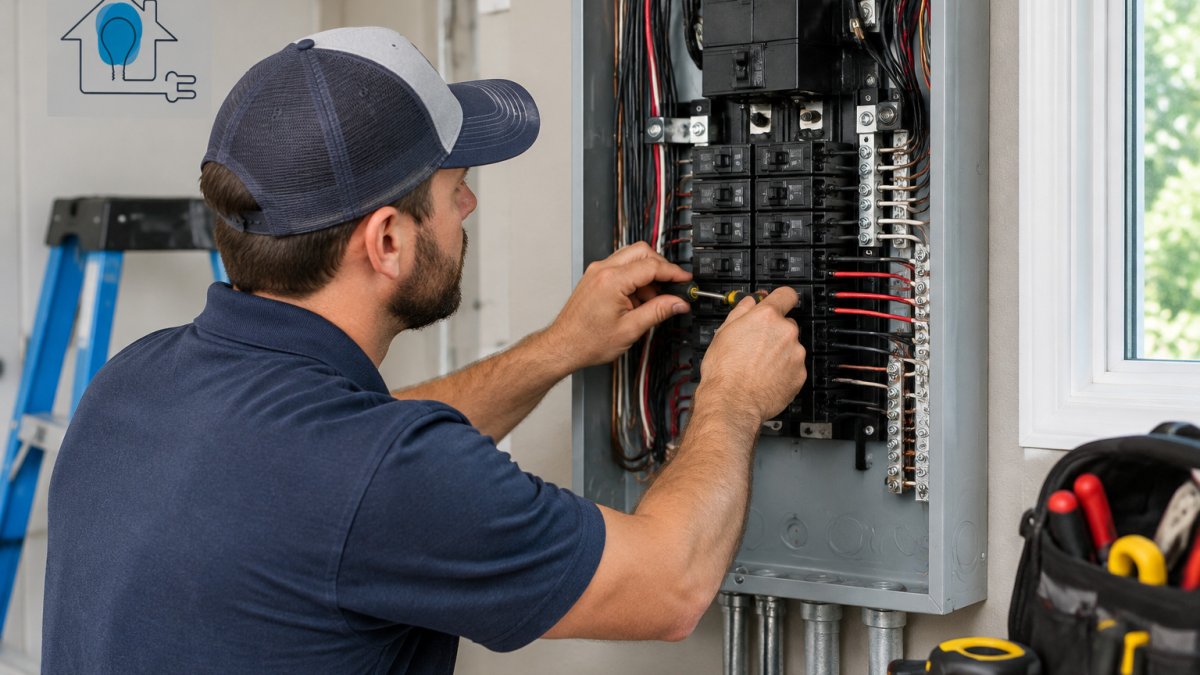
A professional inspection confirms whether your panel is on a recall list and whether it is safe to keep in service. The electrician will check the brand and model, look for signs of overheating, and test the breakers.
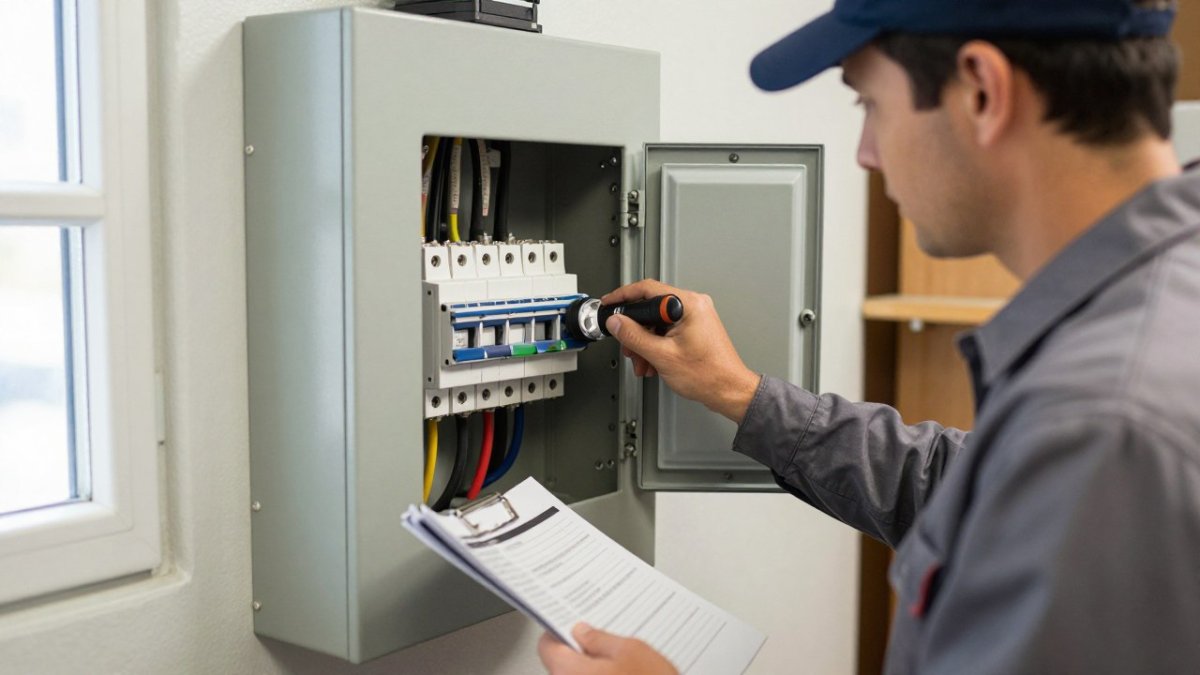
During the visit, expect the electrician to:
- Review the panel label and match it to recall records
- Inspect the bus bars, wire connections, and breaker condition
- Test breakers for proper tripping behavior
- Explain your options and give a written recommendation
Keep the inspection report for your insurer, lender, or future buyer. It is also useful if you later file a warranty or recall claim.
Booking Your Panel Inspection With a Licensed Electrician
If your panel matches a recall, schedule an inspection soon. Look for an electrician who is licensed and insured, and ask whether they handle permits and inspections for panel replacement. A clear written estimate helps you compare options before you commit.
Linder Electrical Contractors offers free written estimates, 24/7 emergency service, and full support with permits and inspections for homes in Blue Bell and Montgomery County. Schedule a residential electrical safety inspection to get a clear answer about your panel.
Frequently Asked Questions
What happens if you ignore an electrical panel recall?
Ignoring a recall leaves a known defect in place. Some recalled panels have breakers that fail to trip during an overload or short circuit, so wiring can overheat and start a fire even when the lights and outlets appear to work normally. Ignoring the notice can also cause problems with homeowners insurance claims and home sales. If your panel is on a recall list, contact the manufacturer and a licensed electrician promptly to arrange an inspection and a remedy.
Who pays to repair or replace a recalled electrical panel?
Coverage depends on the manufacturer's recall program, the panel's age and warranty status, and whether the work was done under a qualifying remedy. Many recalls offer a free replacement or reimbursement, but some do not cover labor or the cost of permits. Call the manufacturer with your panel's model and serial number to learn what applies, and get written estimates from a licensed electrician for any gap. Pricing depends on the panel, the scope of work and local permit requirements, so contact Linder Electrical Contractors for a free written estimate.
How do I check whether my electrical panel has been recalled?
Locate the label inside the panel door or on the side of the enclosure and note the manufacturer, model number and serial number. Compare those details against the recall notices published by the U.S. Consumer Product Safety Commission at cpsc.gov and the manufacturer's own website. If you cannot find the label or are unsure of a match, a licensed electrician can read the panel and confirm its status for you.
Should I turn off power to a recalled electrical panel?
Do not attempt to repair or open a recalled panel yourself. If you notice burning smells, warm or discolored panel covers, buzzing, frequent breaker trips or scorched outlets, turn off the main breaker only if you can do so safely, then call a licensed electrician or your local fire department right away. Do not wait for a scheduled appointment in these situations.