 how-to
Schedule a Residential Electrical Safety Inspection
Table of Contents
- When to Schedule a Residential Electrical Safety Inspection
- Signs of Faulty Electrical Wiring That Warrant an Inspection
- What Happens During a Professional Electrical Inspection
- How Long Does an Electrical Inspection Take
- Step-by-Step Guide to Scheduling Your Inspection
- Electrical Permit Requirements and Code Compliance
- Electrical Safety Inspection Checklist for Homeowners
- What to Expect in Your Inspection Report
- Frequently Asked Questions
Last Updated: October 1, 2026
When to Schedule a Residential Electrical Safety Inspection
A residential electrical safety inspection is a professional evaluation of your home's entire electrical system to identify hazards, code violations, and safety risks. Most homeowners wait until problems fail, but preventative inspections catch issues early.
Schedule an inspection if your home is older than 40 years, your electrical panel shows signs of wear, you've experienced repeated circuit breaker trips, or you're planning a major renovation. If you're buying or selling, an inspection protects your investment and demonstrates code compliance. Most homeowners should have an electrical safety inspection every 3 to 5 years as part of preventative maintenance.
New appliances, EV chargers, or backup generators often require an electrical safety inspection to ensure your panel has adequate amperage capacity. Some insurance companies offer discounts if you maintain current inspections on file.
Signs of Faulty Electrical Wiring That Warrant an Inspection
Faulty electrical wiring creates fire and shock hazards. Warning signs include flickering lights across multiple rooms, warm outlets, burning smells, and frequent circuit breaker trips.
Older homes with knob and tube wiring or aluminum wiring pose particular risks. Knob and tube wiring, common before the 1950s, lacks proper grounding and insulation. Aluminum wiring, used in the 1960s-1970s, oxidizes and creates loose connections that generate heat (CPSC Safety Recommendations For Aluminum Wiring In Homes). If your home has either, an inspection is essential.
Other red flags include dead outlets, discolored switch plates, sparking when plugging in devices, and GFCI outlets that trip frequently, all indicating deeper wiring or moisture problems.
What Happens During a Professional Electrical Inspection
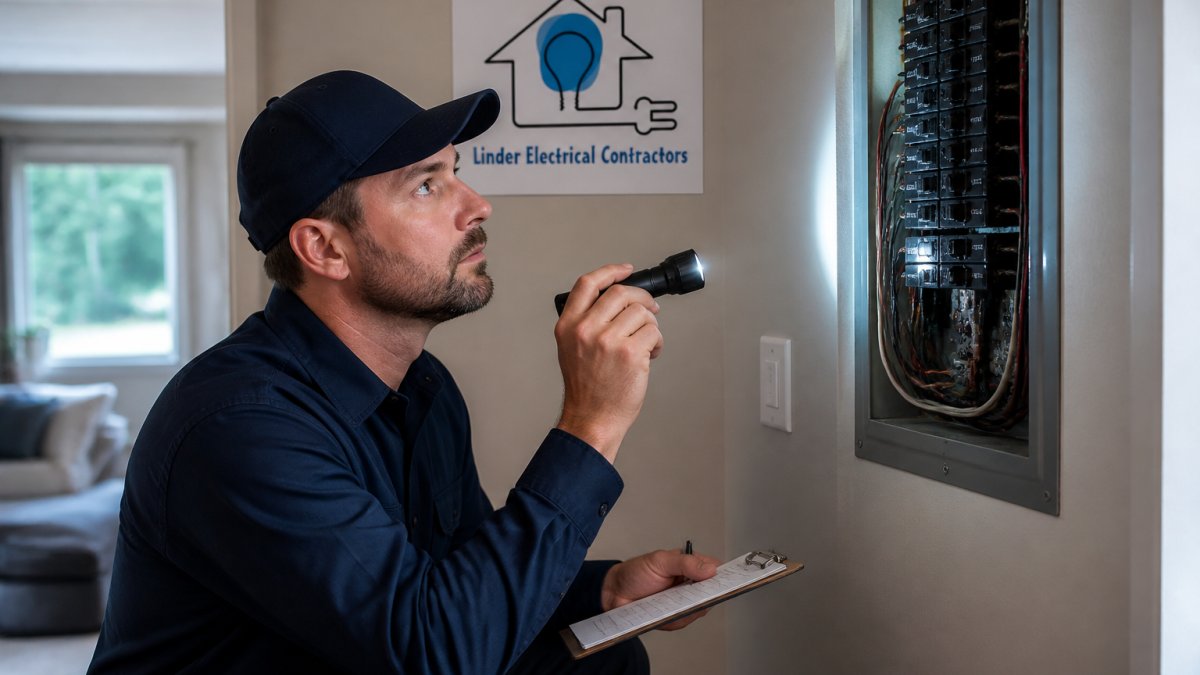
During a professional electrical safety inspection, a licensed electrician audits your entire electrical system: service entrance, panel, circuit breakers, wiring, outlets, switches, grounding, and appliance connections.
The inspector tests GFCI outlets (ground fault protection in wet areas) and AFCI breakers (arc fault detection to prevent fires), both critical safety features required by modern code.
The electrician verifies proper panel clearance (typically 36 inches), secured wiring, code compliance, and identifies outdated wiring, improper connections, overloaded circuits, and missing outlet covers.
The inspection includes a load calculation to verify your panel can handle current and planned demands (EV chargers, major appliances). The electrician documents findings in a detailed report with photos and recommendations.
How Long Does an Electrical Inspection Take
A typical residential electrical safety inspection takes 1-3 hours depending on home size, age, and complexity. Smaller homes may take 60-90 minutes; larger or older homes may take 2-3 hours.
Step-by-Step Guide to Scheduling Your Inspection
Scheduling a residential electrical safety inspection requires planning, but the process is straightforward once you know where to look and what to ask. This section walks you through the entire workflow, from identifying the right electrician to confirming your appointment.

Step 1: Identify Why You Need an Inspection
Clarify your reason: buying (lenders often require inspections for homes over 40 years old), selling (code compliance is a major selling point), renovating, installing an EV charger, or addressing specific problems. Write down symptoms: burning smells, warm outlets, dead circuits, or sparking.
Gather home information: year built, square footage, panel location, and any past electrical work. Have previous inspection reports or permits ready, they save time and may reduce costs.
Step 2: Find a Licensed Electrician
Search for licensed electricians who perform residential electrical safety inspections. Verify licensing through your state's electrical licensing board or local authority having jurisdiction (AHJ), most states maintain searchable online databases.
Confirm they hold a current residential electrician license, carry liability insurance, perform inspections as a core service, handle permits, and provide written estimates and detailed reports with photos. Ask for references and contact one or two to verify report quality and professionalism.
Step 3: Request a Quote and Ask Key Questions
Contact 2-3 electricians to compare pricing. Inspection costs depend on your home's size, age, and electrical system complexity.
Ask about cost (flat fee or hourly), duration, availability, report format, permit handling, and follow-up services.
Step 4: Schedule the Appointment
Confirm appointment details in writing: date, time, duration, cost, payment method, panel access, report format, and timeline. Ask about cancellation policy (typically 24-48 hours' notice). If buying, coordinate timing with your agent and lender, most agreements require inspections within 7-10 days of offer acceptance.
Step 5: Prepare Your Home
On inspection day: ensure panel access without obstacles, keep main power on, have a list of electrical concerns ready, allow access to all areas, secure pets, and be available to answer questions about problems and past repairs.
Step 6: Review the Report and Next Steps
Review the written report carefully, which should include photos, prioritized findings, explanations, and cost estimates. If unclear, contact the electrician to discuss urgency. Get written remediation estimates from licensed contractors and compare scope, cost, and timeline before deciding on repairs.
Electrical Permit Requirements and Code Compliance
Electrical work requires permits and inspections to ensure code compliance. A residential electrical safety inspection itself doesn't require a permit, but repairs or upgrades identified during the inspection will. Your electrician submits applications, schedules inspections, and ensures code compliance, protecting your home from hazards and supporting future resale.
Electrical Safety Inspection Checklist for Homeowners
Use this checklist to identify potential issues: flickering lights, dead outlets, warm outlets, burning smells, frequent breaker trips, sparking, discolored plates, frequent GFCI trips, homes built before 1970, corroded panels, missing covers, insufficient outlets, outdated two-prong outlets, missing GFCI/AFCI protection, damaged cords, water damage, or damp panel locations. If you check more than a few items, schedule an inspection soon.
What to Expect in Your Inspection Report
After completing the inspection, the electrician provides a detailed written report documenting all findings. A thorough report is your roadmap for understanding your home's electrical health and prioritizing repairs.
Report Contents and Structure
A quality inspection report includes:
Executive summary: A brief overview of the home's electrical system condition (good, fair, poor) and the number of issues identified by severity level.
Prioritized recommendations: Issues are categorized by urgency:
- Immediate safety risks (must address before occupancy): corroded panels, warm outlets, burning smells, missing GFCI in wet areas, exposed wiring, or arcing hazards
- Code violations (required for compliance): outdated wiring, insufficient grounding, missing AFCI protection in bedrooms, improper panel clearance
- Recommended improvements (enhance safety and efficiency): upgrading two-prong to three-prong outlets, adding circuits to reduce extension cord use, installing surge protection
Understanding Report Severity Levels
Not all findings are equally urgent. Understanding the difference helps you prioritize spending and negotiation.
Critical (address immediately):
- Corroded or damaged electrical panel
- Warm or hot outlets
- Burning electrical smell
- Exposed or damaged wiring
- Missing GFCI protection in bathrooms, kitchens, or outdoor areas
- Arcing or sparking
- Overloaded circuits causing frequent breaker trips
Important (address within 30-90 days):
- Outdated wiring (knob and tube, aluminum)
- Missing AFCI protection in bedrooms
- Insufficient panel clearance
- Dead circuits or outlets
- Improper grounding or bonding
Recommended (address as budget allows):
- Upgrading two-prong to three-prong outlets
- Adding circuits to reduce extension cord reliance
- Installing surge protection
- Upgrading to a higher-capacity panel for future appliances (EV chargers, heat pumps)
These improve safety, convenience, and future-proofing but aren't urgent.
What to Do If the Inspection Identifies Major Issues
If the report flags critical or important findings, you have several options depending on your situation.
Obtaining Remediation Estimates
Once you have the inspection report, get written estimates from licensed electricians for recommended repairs. Provide each electrician with a copy of the inspection report so they understand the scope.
When comparing estimates, verify that they include:
- Detailed scope of work (what will be done, where, and how)
- Materials and labor costs broken down separately
- Timeline for completion
- Permit and inspection fees (if applicable)
- Warranty on workmanship
- Cleanup and site restoration
Follow-Up Inspections
If remediation work requires permits, the local authority will schedule a follow-up inspection to verify that repairs meet code. The electrician typically handles scheduling and coordination. After repairs are complete and approved by the inspector, you'll receive a permit sign-off or certificate of compliance.
Frequently Asked Questions
What is included in a residential electrical safety inspection?
A comprehensive residential electrical safety inspection examines your entire electrical system, including the service entrance, electrical panel, circuit breakers, wiring integrity, GFCI outlets, AFCI protection, grounding and bonding, and all visible outlets and switches. The licensed electrician checks for code compliance, electrical hazards, outdated wiring like knob-and-tube or aluminum wiring, and assesses whether your system meets modern electrical demands. The inspection concludes with a detailed report identifying any hazards or areas needing remediation.
How often should you have an electrical safety inspection?
Most homeowners should have an electrical safety inspection every 3 to 5 years as part of preventative maintenance. However, you should schedule an inspection immediately if you notice flickering lights, dead outlets, frequently tripping circuit breakers, or any signs of faulty electrical wiring. Older homes (40+ years) benefit from more frequent inspections to identify outdated wiring or capacity issues. If you're planning major upgrades like a 200-amp service upgrade or installing an EV charger, a pre-work inspection is essential.
How much does a residential electrical safety inspection cost?
Inspection costs depend on your home's size, age, and electrical system complexity. Rather than guess at a price, contact a licensed electrician for a free written estimate. This ensures you understand exactly what's involved before committing. Linder Electrical Contractors provides free written estimates so you can plan your budget with confidence.
Do I need an electrical inspection before selling my home?
Yes, an electrical inspection is highly recommended before selling your home. Buyers and their lenders often require a home safety assessment that includes electrical system evaluation. A professional inspection identifies any code compliance issues or electrical hazards that could delay the sale or create liability. Having a current certification of electrical works from a licensed electrician strengthens your sale and gives buyers confidence in the property's safety and reliability.