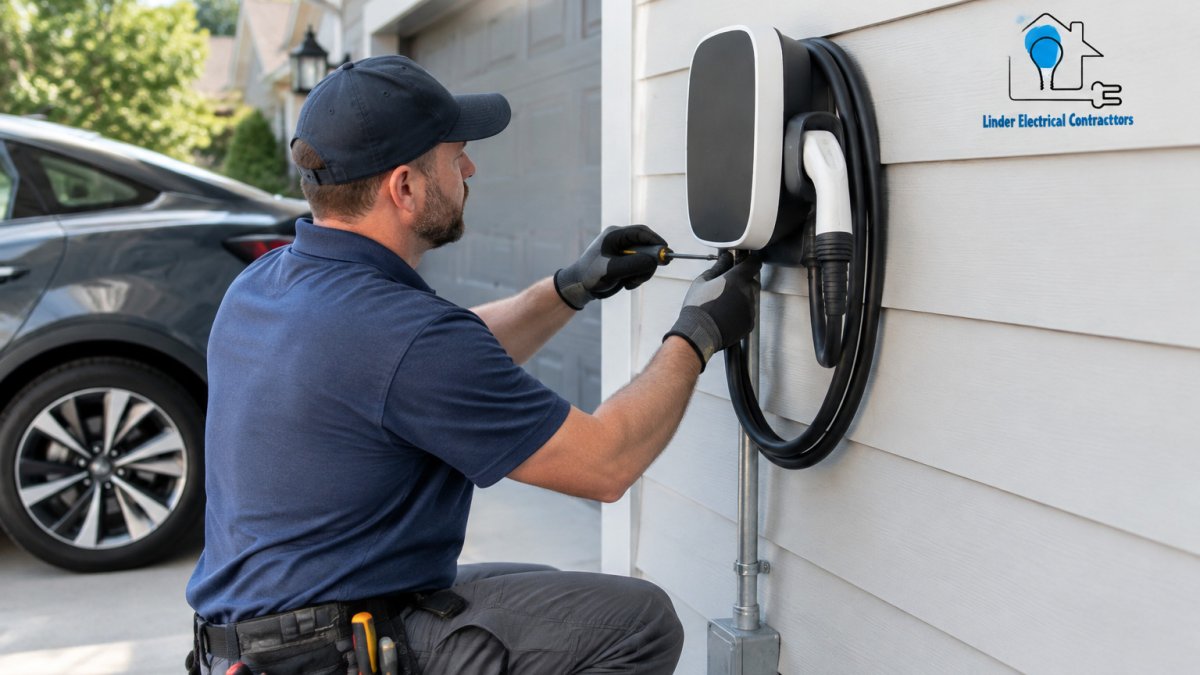
 How-to
7 Factors That Decide How Long EV Charger Installation Takes
Last Updated: November 17, 2026
Quick Summary
EV charger installation usually takes a few hours of on-site labor for a straightforward job, while the total timeline from booking to first charge often runs days to a few weeks. Permits, inspections, and panel capacity drive most of that wait, not the electrical work itself.
- A Level 2 charger runs on a 240-volt dedicated circuit, usually on a 40 to 60 amp breaker.
- Simple installations take about one to two weeks total from booking to first charge.
- Complex jobs with a panel upgrade run four to eight weeks or more.
- Ask your local permit office how long a residential EV charger permit takes to review.
- Book the site assessment early so permit review and inspection scheduling can start sooner.
Table of Contents
- On-Site Labor vs. Total Timeline: Two Clocks That Run Different Speeds
- What Happens During a Home EV Charger Installation Process
- Level 2 Charger Installation Requirements That Shape the Schedule
- Do I Need a Permit to Install an EV Charger, and How Long Does It Take?
- When an Electrical Panel Upgrade for EV Charger Work Adds Days or Weeks
- Simple, Moderate, and Complex Installations: Realistic Timelines
- Renters, Shared Parking, and Detached Garages: Timelines That Surprise People
- Book Your EV Charger Installation with a Free Written Estimate
- Frequently Asked Questions
On-Site Labor vs. Total Timeline: Two Clocks That Run Different Speeds
Most homeowners ask how long does EV charger installation take and expect one number. There are really two. The first clock measures the electrician's time in your garage. The second clock measures everything from the day you book to the first night your car charges overnight.
Those clocks rarely match, and that gap surprises people.
EV charger installation is the process of mounting a charging unit, running a dedicated circuit from your electrical panel, and getting the work inspected and energized. The honest answer depends on which clock you mean.
Here is the short version:
- On-site labor: usually a few hours for a straightforward job
- Total timeline: often days to a few weeks, driven by permits, inspections, and panel capacity
Keep reading and we will show you exactly what pushes each clock forward, plus a checklist you can use before you book.
What Happens During a Home EV Charger Installation Process
The home EV charger installation process follows a predictable path: assess the site, pull permits, run the circuit, mount the charger, then pass inspection. Knowing the steps helps you plan your schedule and prepare your home.
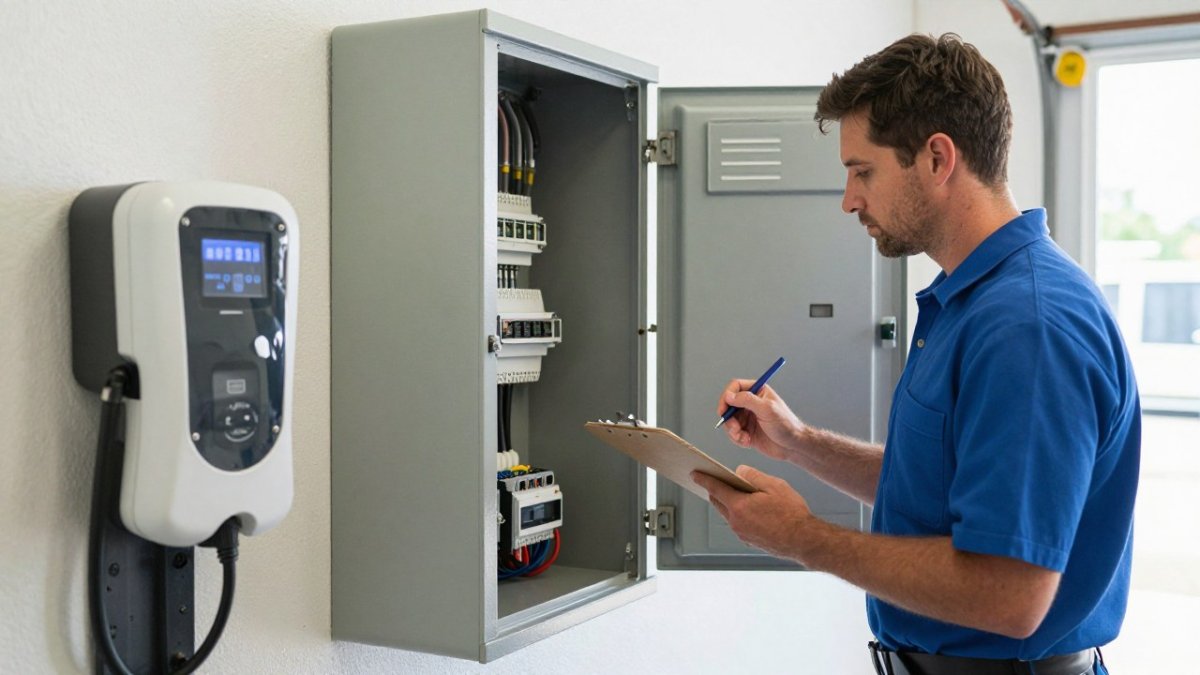
The Site Assessment: What the Electrician Checks
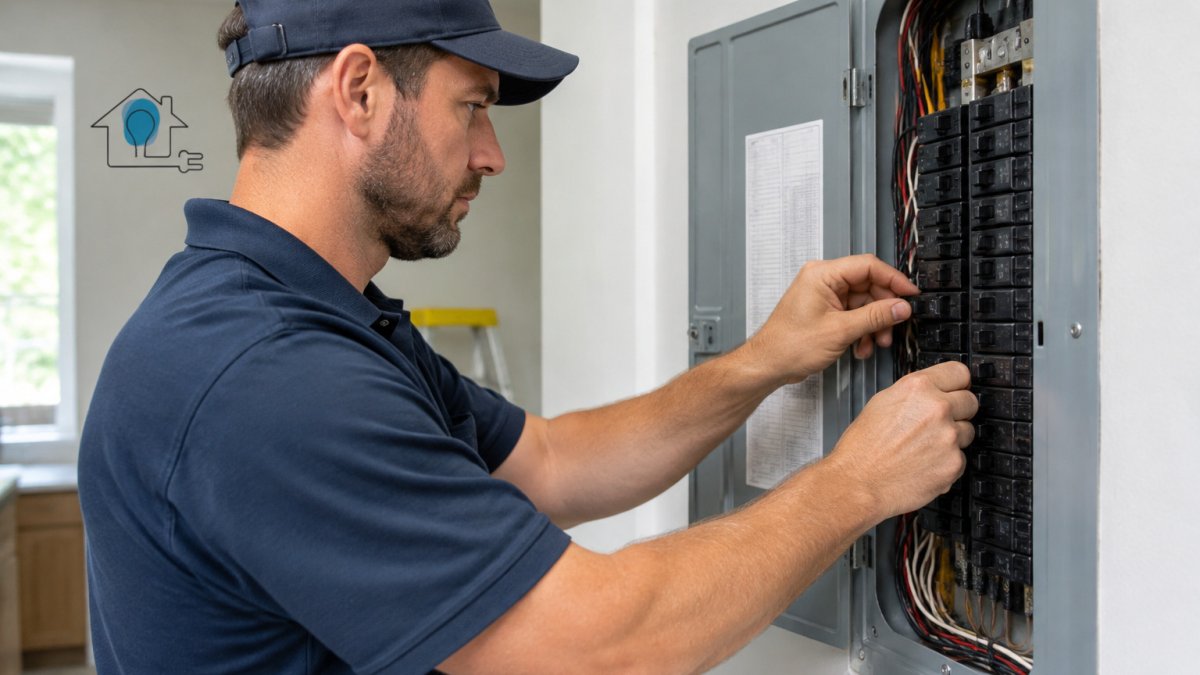
A site survey answers three questions: where the charger goes, how far it sits from the panel, and whether your electrical service can carry the added load. The electrician checks your panel's capacity, the available breaker slots, the wire route through walls or attic, and where the vehicle actually parks.
Have these ready for the visit:
- Your electrical panel location and a clear path to it
- Where you park and which side of the car charges
- Any plans for a second EV down the road
- Photos of the panel label if you book by phone
A common mistake is choosing the charger spot before checking the panel. That order costs money.
Installation Day, Step by Step
Here is how a typical install day runs:
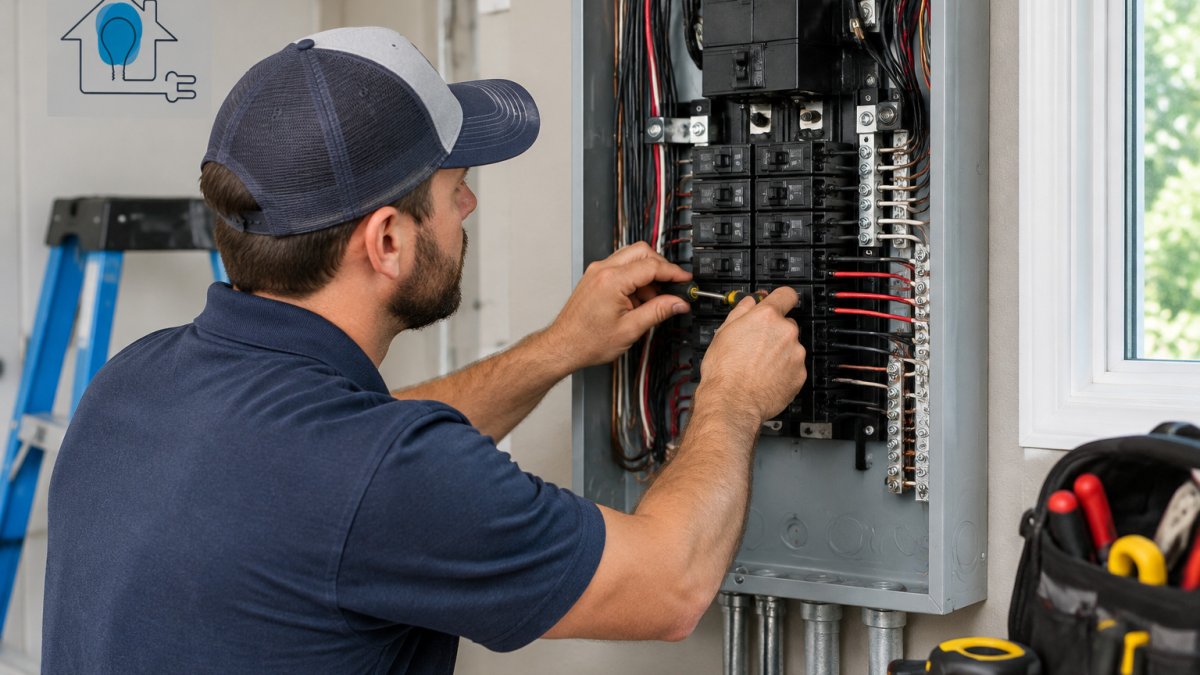
- Shut off and confirm the panel is safe to work on
- Mount the charging station on the wall or post
- Run the cable through the planned route
- Install the dedicated breaker and connect the wiring
- Test the circuit and confirm the charger powers up
- Walk you through the setup and labeling
If you want the full walkthrough before you schedule, see our guide to installing a Level 2 home EV charger.
Level 2 Charger Installation Requirements That Shape the Schedule
Level 2 charger installation requirements decide most of your timeline. A Level 2 charger runs on a 240-volt dedicated circuit, usually on a 40 to 60 amp breaker, and it needs a properly sized cable run from the panel.
The U.S. Department of Energy's guidance on home charging explains that Level 2 charging is significantly faster than a standard wall outlet, which is why most homeowners choose it.
What shapes the schedule:
- Distance from panel: a short run is quick; a long run through finished walls takes longer
- Wire route: attic, crawlspace, or exterior conduit each change the labor
- Panel capacity: available slots and total load matter
- Permit and inspection: required in most jurisdictions before energizing
None of these are guesswork. A licensed electrician can confirm them in one visit.
Do I Need a Permit to Install an EV Charger, and How Long Does It Take?
A new 240-volt dedicated circuit and a Level 2 charger install often require an electrical permit, and local rules govern when the circuit may be energized.
The permit process involves two separate stages that can each add time:
- Permit review: the time between submitting the application and the jurisdiction issuing the permit
- Inspection scheduling: the time between the electrician finishing the work and the inspector arriving to sign it off
A job can be permitted in a few business days and still sit for another week waiting on an inspection window. That is why the total timeline is often longer than the labor estimate suggests.
What Actually Drives Permit and Inspection Time
Review and inspection timelines are set locally and vary by jurisdiction.
How to Check Your Local Timeline Before You Book
You do not have to guess. Three questions to the right office will give you a realistic range:
- Call the local building or electrical permit office and ask how long a residential EV charger permit typically takes to review, and whether it can be submitted online.
- Ask whether the jurisdiction requires a rough-in inspection for a 240-volt circuit, or whether a single final inspection is enough.
- Ask who is allowed to pull the permit, in most places the licensed electrical contractor pulls it, but some jurisdictions allow or require the homeowner to pull an owner-builder permit for certain work.
Ask two questions when you book with any electrician:
- Does this job need a permit in my jurisdiction, and who pulls it?
- Who schedules the inspection, and does the final bill include the inspection trip?
Linder Electrical Contractors handles permits and inspections as part of its full-service offering. For the full permit breakdown, read do I need a permit for an EV charger.
When an Electrical Panel Upgrade for EV Charger Work Adds Days or Weeks
An electrical panel upgrade can extend the timeline for EV charger work when a panel lacks capacity or free slots.
Older homes often need a closer look. A 100-amp service may not carry a charger plus your existing loads, and a 200-amp service upgrade may be the cleaner path. That work needs its own permit, utility coordination, and inspection.
The added time comes from:
- Load calculation and panel replacement
- Utility disconnect and reconnect scheduling
- A second inspection before the new service is energized
If your electrician flags a panel upgrade, get realistic numbers before you commit. Our electrical panel replacement cost guide breaks down what drives the price, and our panel capacity guide explains whether your current panel can support a charger at all.
Simple, Moderate, and Complex Installations: Realistic Timelines
Installations fall into three buckets, and the bucket decides your schedule more than anything else. The table below separates the two clocks, on-site labor and total time from booking to first charge, because that is the distinction that actually answers the question.
| Installation Type | On-Site Labor | Total Timeline (Booking to First Charge) | What Drives It |
|---|---|---|---|
| Simple | A few hours | About one to two weeks | Short panel run, open route, capacity ready, permit review and one inspection window |
| Moderate | Most of a day | Two to four weeks | Longer cable run, permit review, rough-in plus final inspection, scheduling queue |
| Complex | Multiple days | Four to eight weeks or more | Panel or service upgrade, utility disconnect/reconnect, two permits, two inspection cycles |
Use this as a planning guide, not a promise. Your site survey gives the real answer.
Three Worked Scenarios
Scenario 3, The panel upgrade. A 100-amp service with no spare capacity. The charger circuit cannot be added until the service is upgraded, which means a separate permit, a load calculation, utility coordination for the disconnect and reconnect, and its own inspection before the new service is energized. On-site work spans multiple days across more than one visit, and the total timeline runs four to eight weeks or longer depending on the utility's schedule.
A Practical Complexity Checklist Before You Book
- Panel has two free breaker slots
- Charger spot is within a reasonable run of the panel
- No finished walls between panel and charger
- Service is 200 amps or the load has been calculated
- You know whether your jurisdiction requires a permit and a rough-in inspection
- You know whether the charger location is on an exterior wall or a detached structure
If you want to shorten the wait, the highest-leverage move is booking the site assessment early so permit review and inspection scheduling can start while you are still deciding on a charger model.
Renters, Shared Parking, and Detached Garages: Timelines That Surprise People
Detached garages and shared parking add steps most guides skip. A detached garage means a separate structure, often a longer trench or conduit run, and sometimes its own panel. That extra run adds time.
Renters face a different delay: getting written approval from the property owner before any permit is pulled. Shared parking may need utility coordination for a meter or a load study.
These situations are not dealbreakers, just slower. If you have a detached garage, our guide to the best EV charger for a detached garage covers setups that fit the space.
Book Your EV Charger Installation with a Free Written Estimate
The fastest way to shorten your timeline is to get the assessment done early. We give you a free written estimate and handle the permits and inspections.
We are licensed and insured. Whether you need a simple charger install or a 200-amp service upgrade first, we manage the whole process.
Get started with Linder Electrical Contractors and schedule your free written estimate today.
A charger install can feel like a moving target when permits and panel capacity are unknowns. Linder Electrical Contractors removes that guesswork with a free written estimate, full permit and inspection handling, and licensed, insured electricians who confirm your panel's capacity before any work begins. Call us to book your assessment and get a clear timeline for your home.
Frequently Asked Questions
How long does it take an electrician to install an EV charger?
For a straightforward Level 2 installation where the panel has spare capacity and the charger sits close to it, on-site labor typically runs a few hours. Add time for a longer cable run, conduit through finished walls, or a detached garage. The electrician's working hours are only part of the picture: the total ev charger installation timeline also includes the site assessment, permit approval, and inspection, which can stretch the project across days or weeks.
Do permits and inspections affect the EV charger installation timeline?
Yes, often more than the physical work itself. Many jurisdictions require an electrical permit before a Level 2 charger goes in, and a local inspection may be needed before the circuit is signed off. Linder Electrical Contractors handles permits and inspections as part of its full-service offering.
Can an electrical panel upgrade make EV charger installation take longer?
It can. If your panel lacks the capacity for a dedicated 240-volt circuit, a panel upgrade or service change may be needed first. That adds its own permit, utility coordination for the service disconnect, and inspection, which can push the project from days into weeks. A site assessment before you commit tells you whether your existing electrical service can carry the load or whether an upgrade belongs in the plan.
How soon can I use my EV charger after installation?
Whether the charger can be used right away depends on whether local rules require an inspection before the circuit is energized. Ask your contractor upfront so you can plan your charging routine accordingly.