 blog
blog
200 Amp Service Upgrade Cost: Complete 2026 Breakdown
Table of Contents
- What a 200 Amp Service Upgrade Costs
- Factors That Influence Total Cost
- Electrical Panel Upgrade Permit Requirements
- Electrical Service Upgrade Timeline
- Cost of Adding Dedicated Circuit for Home Gym Equipment
- When to Upgrade to 200 Amps
- DIY versus Professional Safety Risks
- Frequently Asked Questions
Last Updated: October 2, 2026
What a 200 Amp Service Upgrade Costs
A 200 amp service upgrade cost typically ranges based on whether you're replacing just the panel or upgrading the entire service entrance. The difference between these two approaches determines your final bill more than any other factor.
Panel swap versus full service entrance upgrade
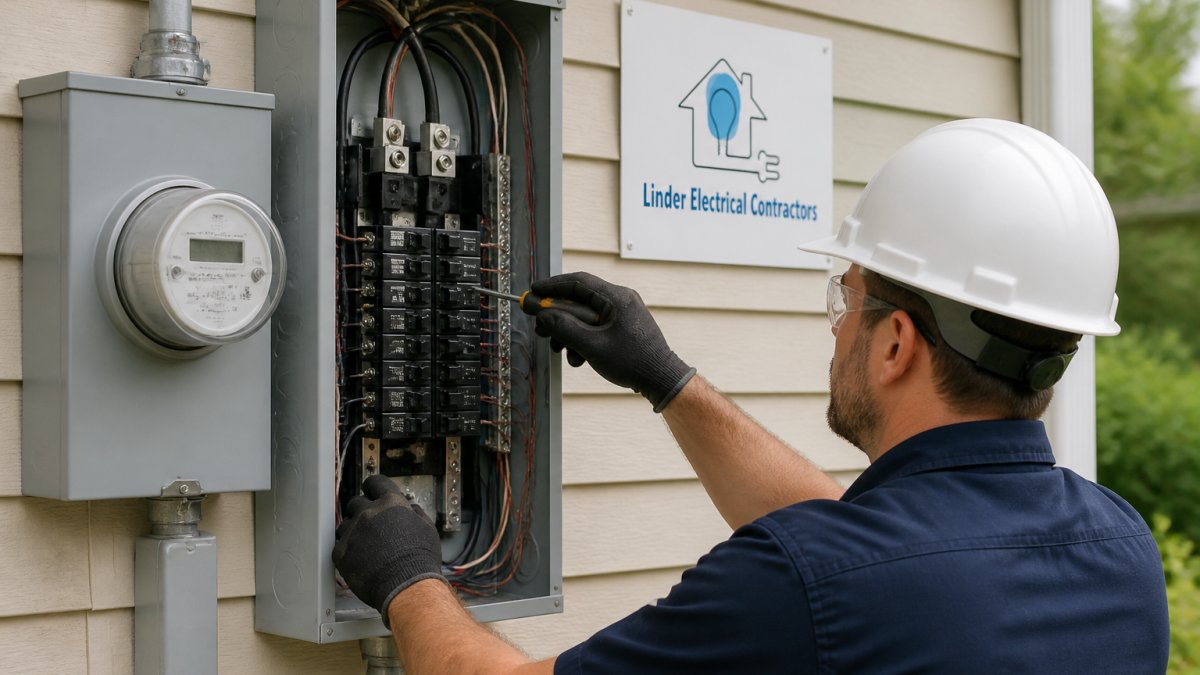
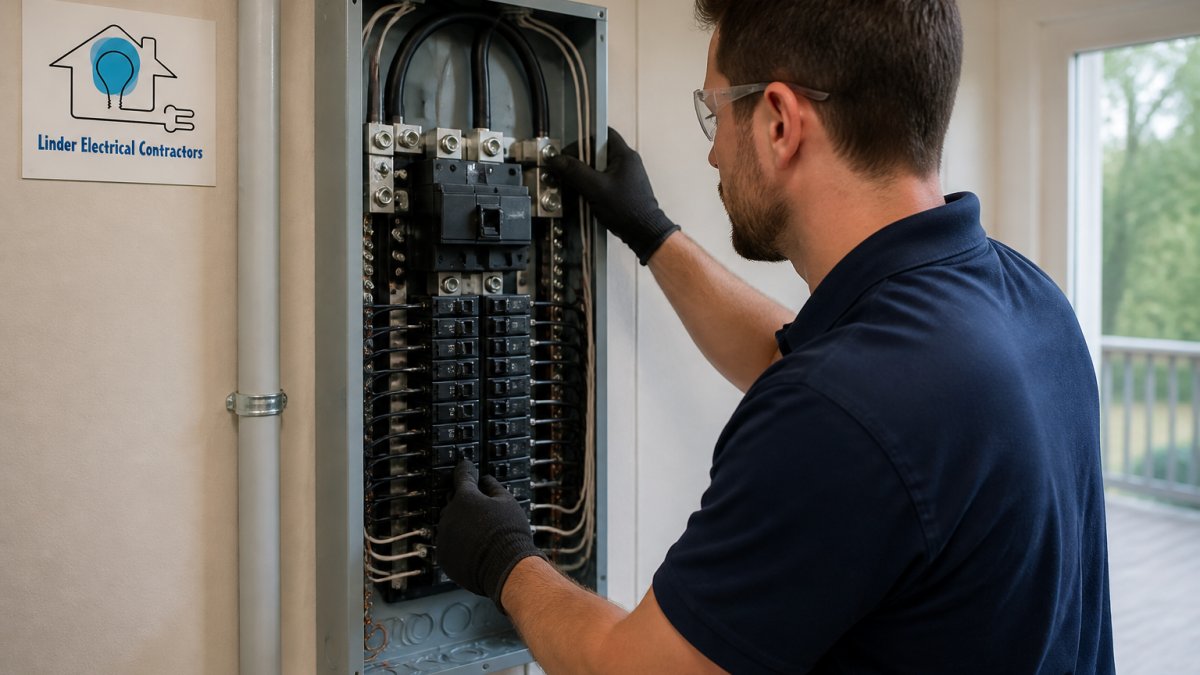
A panel swap replaces only the breaker box itself. This works when your existing service entrance cable, meter socket, and utility connection are in good condition. You keep the infrastructure and change out the component that controls your circuits.
A full service entrance upgrade replaces everything: the cable running from the utility meter to your home, the meter socket, the main breaker disconnect, and the panel. This is necessary when older wiring can't safely handle higher amperage or when the utility company requires it.
The panel swap costs less upfront. The full upgrade costs more but solves underlying wiring problems that a swap would leave in place.
Labor and material cost breakdown
Labor makes up roughly 40-50% of your total bill. Materials (the panel, breakers, cable, conduit, and hardware) account for the rest. Older homes often require additional materials because existing conduit is undersized or damaged.
Key material factors:
- Main breaker type (standard vs. arc fault protection)
- Circuit breaker count (20-40 breakers is typical)
- Cable gauge and length to service entrance
- Conduit and support materials
- Disconnect switch and weatherhead assembly
Labor time depends on how accessible your existing panel is, whether walls need opening, and how much old wiring needs replacement. A straightforward swap in a modern home takes 4-8 hours. A full upgrade in an older home with hidden wiring issues can stretch to 16-24 hours across multiple days.
Factors That Influence Total Cost
Your final bill reflects your specific home's electrical infrastructure, not just the panel itself.
Hidden costs of older home wiring
Homes built before 1980 often have wiring problems that surface only during a panel upgrade. Aluminum wiring oxidizes and creates dangerous connections. Cloth-wrapped wire deteriorates. Undersized conduit won't fit new, thicker service cables.
When your electrician opens walls to run new service entrance cable, they may find:
- Corroded connections requiring replacement
- Insufficient clearance for modern cable sizes
- Damaged insulation on existing circuits
- Utility-side issues (pole damage, deteriorated line connection)
These discoveries add cost but prevent future fire hazards. Skipping them to save money now creates liability later.
EV charger and heat pump load calculations
Installing a Level 2 EV charger (240V, 40-50 amps) or a heat pump system (240V, 30-60 amps) often triggers the need for a 200-amp upgrade. Your existing 100-amp or 150-amp panel can't safely handle the combined load of these appliances plus your home's baseline usage.
Load calculation is critical. Your electrician must add:
- Existing circuit demand (lights, outlets, appliances)
- EV charger continuous load
- Heat pump heating and cooling demand
- Future capacity for additional circuits
Undersizing leads to tripped breakers. Oversizing wastes money. A proper load calculation prevents both.
Electrical Panel Upgrade Permit Requirements
Upgrading your electrical panel requires permits in virtually every jurisdiction. Permits exist to ensure the work meets the National Electrical Code and protects your home's safety.
Permitting and inspection fees
Permit costs vary by municipality but typically range from a percentage of the estimated project cost. Your local township or city charges a separate inspection fee when the work is complete.
Inspection includes:
- Verification that the panel meets code
- Testing of grounding and bonding
- Review of all new circuits and connections
- Confirmation that the service entrance is properly installed
Inspectors check that the main breaker is properly sized, that all connections are tight, and that the panel is accessible for future maintenance.
Utility-side versus customer-side responsibility
Your utility company owns everything from the transformer to the meter. You own everything from the meter to your panel and beyond.
If your utility's service lines are damaged or undersized, the utility must fix them at no charge to you. If your meter socket or service entrance cable needs replacement, that's your responsibility.
Before scheduling your upgrade, your electrician should contact the utility to verify their lines are adequate. Some utilities require an inspection before allowing a higher amperage service. Others require you to upgrade their side of the connection, which they bill separately.
This distinction matters because utility-side work can delay your project by weeks if the utility is backlogged.
Electrical Service Upgrade Timeline
A straightforward panel swap takes 1-2 days. A full service entrance upgrade typically requires 3-5 business days spread across multiple visits.
The timeline includes:
- Permit application and approval (3-10 business days)
- Utility inspection of their lines (1-5 business days, if required)
- Electrician's work (1-5 days depending on scope)
- Final inspection (1-3 business days after work completion)
Older homes often extend this timeline because hidden problems emerge during the work. Utility delays are common in busy seasons. Plan for 4-8 weeks total from initial estimate to final inspection sign-off.
We handle all permitting and inspection coordination so you're not chasing township offices or utility companies yourself.
Cost of Adding Dedicated Circuit for Home Gym Equipment
Heavy-use equipment like treadmills, weight machines, or air compressors requires dedicated circuits. A dedicated circuit serves only one appliance and prevents overloads when that equipment runs alongside other home systems.
Adding a single dedicated circuit costs significantly less than a full panel upgrade. One new circuit involves:
- Running cable from the panel to the equipment location
- Installing a new breaker in the panel
- Adding an outlet or hardwired connection at the equipment
The cost depends on distance (longer runs need thicker cable) and whether walls must be opened. A circuit running 20 feet through finished walls costs more than one in an unfinished basement.
However, if your panel is already at capacity, you can't add circuits without upgrading to 200 amps first. This is where homeowners discover their panel upgrade is necessary.
When to Upgrade to 200 Amps
Signs your home needs a service upgrade
Flickering lights when the air conditioner starts indicate your panel can't handle simultaneous loads. Breakers tripping regularly mean you're exceeding capacity. Burning smells near the panel or meter are emergency warning signs.
Homes with electric heat, air conditioning, and electric water heaters need more capacity than homes with gas alternatives. Adding an EV charger or heat pump to a home with electric resistance heating often requires an upgrade.
Homes built before 1990 commonly have 100-amp service. Modern homes typically have 150-200 amps. If you're planning to stay in your home long-term and add high-load appliances, upgrading now prevents future problems.
Benefits of 200 amp service
A 200-amp panel eliminates breaker tripping. It supports EV charging, heat pumps, and future additions without overload. It increases your home's resale value because buyers know the electrical infrastructure can handle modern appliances.
Newer panels include arc fault and ground fault protection that older panels lack. These safety features detect dangerous electrical conditions before they cause fires.
DIY versus Professional Safety Risks
Working inside an electrical panel carries extreme risk. Even with the main breaker off, utility lines feeding the meter remain live. Touching the wrong connection causes severe burns or cardiac arrest.
Licensed electricians understand which parts are energized, how to work safely around live conductors, and when to call the utility for de-energization. They carry insurance and know local code requirements that DIY work violates.
Unpermitted electrical work voids your home insurance and creates liability if someone is injured. Inspectors catch DIY panel work during home sales or insurance inspections, forcing expensive corrections.
Professional installation protects your home, your family, and your liability exposure. This is one project where cutting costs creates risks that far exceed the savings.
Upgrading your electrical panel is a significant investment, but it's one of the most important upgrades you can make for safety and functionality. If you've noticed flickering lights, tripped breakers, or you're planning to add an EV charger or heat pump, the time to assess your panel capacity is now. We provide free written estimates that break down exactly what your home needs. Get a Free Estimate from our licensed team and understand your options before making any decisions.
Frequently Asked Questions
How much does it cost to upgrade to a 200-amp electrical panel?
The total cost of a 200 amp service upgrade depends on whether you need just a panel replacement or a full service entrance upgrade, the age and condition of your home's wiring, local labor rates, and permit fees. Panel swaps typically cost less than complete service entrance replacements that include new service entrance cable, meter socket, and utility company connections. Contact a licensed electrician for a free written estimate specific to your home's electrical infrastructure.
Do you need a permit to upgrade to 200-amp service?
Yes, a 200 amp service upgrade requires a permit from your local building department. Code compliance is mandatory under the National Electrical Code. Permits typically include an initial inspection before work begins and a final inspection after completion. Your licensed electrician should handle the permit application process and coordinate with the utility company, which is responsible for upgrading the utility meter and service lines on their side of the connection.
How long does a 200-amp service upgrade take to complete?
A typical 200 amp service upgrade takes 2-5 business days from start to finish, depending on whether you need a panel swap or full service entrance replacement. The timeline includes permit approval, the actual installation work, and final inspection by the building department. Older homes with outdated wiring may require additional time if electrical contractors discover hidden issues during the assessment phase.
What are the signs that my home needs a 200-amp service upgrade?
Common signs include flickering lights, frequently tripped circuit breakers, dead outlets, or an older electrical panel rated at 100 amps or less. If you're planning to install an EV charger, heat pump, or add dedicated circuits for home gym equipment, a load calculation by a licensed electrician will determine if your current service can handle the additional demand. Homes built before the 1980s often have undersized electrical capacity for modern appliances and technology.