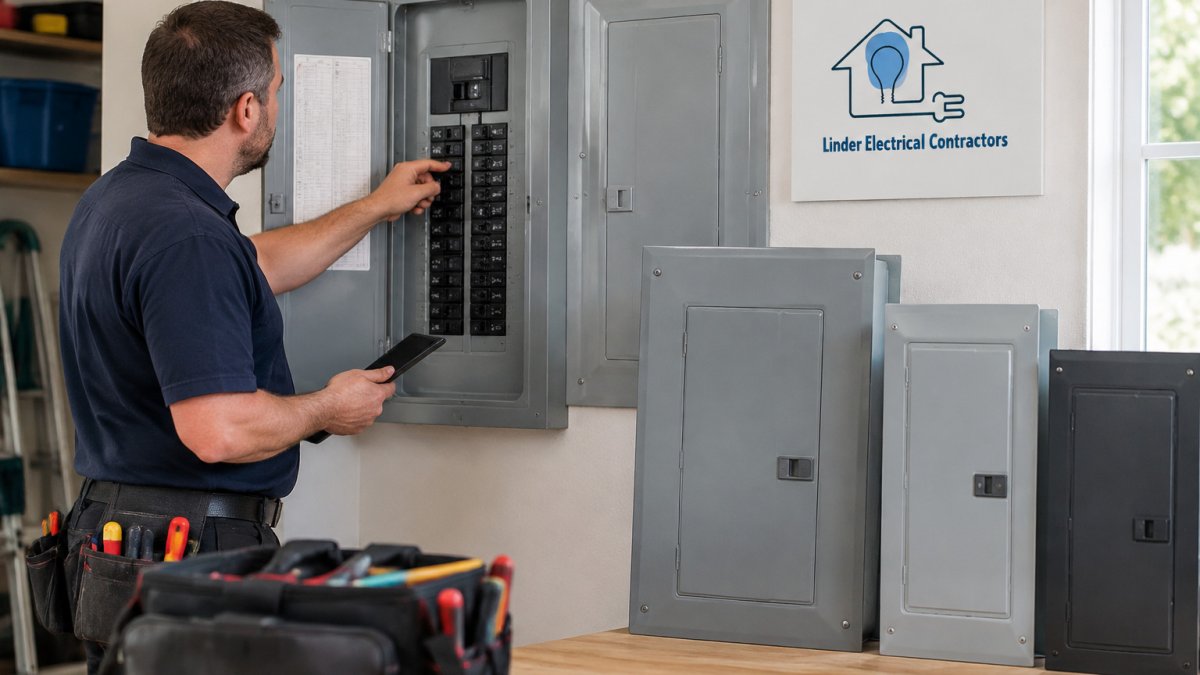
 blog
5 Best Electrical Panel Brands for Residential Homes: A Homeowner's Buying Guide
Last Updated: November 12, 2026
Quick Summary
The 5 best electrical panel brands for residential homes are Square D, Siemens, Eaton, GE, and Leviton. Square D is the premium benchmark with a copper bus on its QO line, Siemens offers strong breaker availability, Eaton delivers value, GE suits older homes, and Leviton leads in smart panels.
- Square D QO uses a copper bus and takes QO breakers, while Homeline uses an aluminum bus and its own breaker line.
- Breaker compatibility is set by the panel label and listing, not the brand name on the door.
- Eaton's BR line is not built for heavy continuous loads like its premium commercial lines.
- GE recalls are catalog-number-specific, so match the number against the CPSC database.
- Leviton smart panels add energy monitoring and load management but are more complex to install.
Table of Contents
- Why the Right Electrical Panel Brand Matters for Your Home
- How We Ranked the Best Electrical Panel Brands
- 1. Square D: The Benchmark for Residential Load Centers
- 2. Siemens: Reliable Panels with Strong Breaker Availability
- 3. Eaton: A Solid Choice for Residential and Light Commercial
- 4. GE: What to Know About Its Panel Reputation and Range
- 5. Leviton: The Smart Panel Contender
- A Quick Comparison: Electrical Panel Brands List
- Frequently Asked Questions
Why the Right Electrical Panel Brand Matters for Your Home
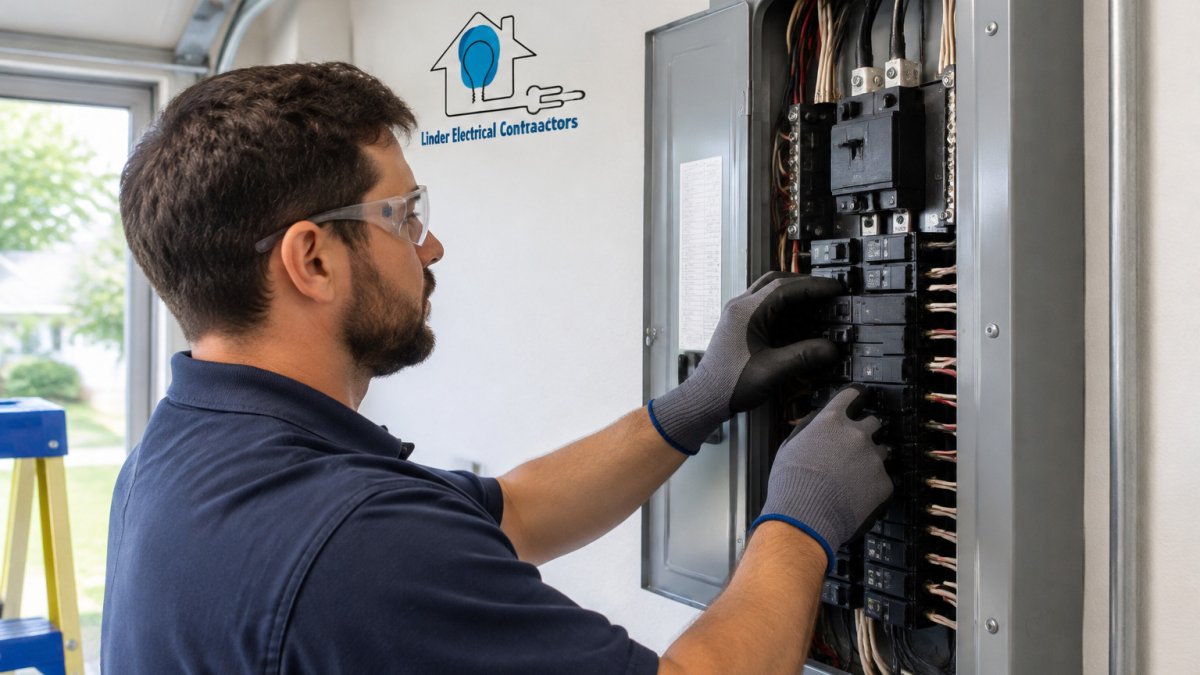
The electrical panel is the heart of your home's power system, and choosing among the 5 best electrical panel brands for residential homes is a decision you live with for decades. The brand on that metal box says a lot about how the next twenty years will go.
Here is the part most guides skip: the panel brand determines breaker compatibility, replacement parts availability, and whether your electrician can add a circuit for an EV charger or hot tub without ripping out the whole box.
How We Ranked the Best Electrical Panel Brands
Brands can be compared on criteria that matter in real homes: build quality of the bus bar and enclosure, breaker availability at local supply houses, warranty terms, compatibility with modern loads like EV charging and solar, and how the panel behaves in older homes with mixed wiring. Panels should carry a recognized listing such as UL 67 for panelboards, and installations must meet the current edition of the National Electrical Code adopted by the local jurisdiction.
A panel is only as good as the parts you can get for it five years from now. If you are unsure whether your existing equipment is due for replacement, our guide to signs you need an electrical panel upgrade walks through the warning signs. If you suspect a known-hazard panel, here is how to identify a Federal Pacific panel in your home, and for a buzzing panel, this covers how to diagnose a buzzing electrical panel.
1. Square D: The Benchmark for Residential Load Centers
Square D, made by Schneider Electric, is the brand we see most often in well-built homes, and for good reason.
2. Siemens: Reliable Panels with Strong Breaker Availability
Siemens residential load centers are often valued for practicality, with breakers that are generally easy to find at hardware stores and supply houses.
3. Eaton: A Solid Choice for Residential and Light Commercial
Eaton's BR line is a common sight in residential panels and light commercial spaces. It offers good value, wide breaker availability, and panels sized for everything from a 100-amp service to a 200-amp whole-home setup.
One honest limitation: the BR line is not the same as Eaton's premium commercial lines, so do not expect the same longevity under heavy continuous loads. For typical homes, it is more than adequate.
4. GE: What to Know About Its Panel Reputation and Range
GE panels have a mixed reputation among electricians. The brand covers a wide product range and remains common in older homes, but some legacy GE breaker lines have drawn scrutiny over reliability and recall history.
The specific history matters more than the logo. GE's residential panel business, now under ABB after the 2018 sale of GE's industrial solutions division, includes the older GE Powermark Gold and TM series load centers and the THQL/THQP breaker families, which remain widely installed.
How to Check a GE Panel for Recall or Obsolescence
A careful, source-backed process beats a gut check:
- Photograph the panel label and every breaker face. The catalog number, series, and date code are what matter, not the GE logo.
- Search the manufacturer's recall page and the Consumer Product Safety Commission (CPSC) recall database using the catalog number. Both publish recall notices with affected date ranges and remedy instructions.
- Look for physical warning signs: scorched or discolored breaker faces, a burning smell, breakers that feel hot to the touch, rust or corrosion on the bus, or a panel that buzzes under load. Any of these warrant an electrician's inspection regardless of recall status.
- Check for obsolete breaker types. If the correct replacement breaker is discontinued or only available used, that is a strong signal to plan a panel replacement rather than patch it.
- Have a licensed electrician perform a load and thermal inspection. A thermal scan and torque check on the bus connections will catch loose or overheating terminations that a visual inspection misses.
A GE panel that passes a visual inspection can still have a recalled breaker or a loose neutral bar connection, so check the catalog number as well.
When to Keep a GE Panel and When to Replace It
If your home already has a GE panel, the practical question is not the logo, it is the condition of the bus bar, the breaker type, and whether the panel is a known obsolete model. A licensed electrician can inspect the panel and advise whether to keep it or plan a replacement. As a general decision rule:
- Keep it if the panel is a current-production series, the breakers are listed and available, the bus is clean and torqued, and there is spare capacity for your planned loads.
- Plan a replacement if the panel is a recalled or obsolete series, the breakers are discontinued, the bus shows heat damage or corrosion, or you need capacity the panel cannot provide for EV charging, solar, or a heat pump.
- Replace promptly if there is any evidence of arcing, burning, or a hot panel, that is a fire-risk condition, not a maintenance item.
For a broader walkthrough of the warning signs, our guide to signs you need an electrical panel upgrade covers the decision criteria, and if you suspect a known-hazard panel, here is how to identify a Federal Pacific panel in your home.
5. Leviton: The Smart Panel Contender
Leviton's smart panel lineup includes energy monitoring, remote circuit control, and load management features, which can be relevant for solar, battery storage, or EV charging. Smart panels are generally more complex to install and commission than conventional panels.
For most homes, a conventional panel still does the job. If you want circuit-level energy monitoring and future-ready load management, Leviton deserves a look.
A Quick Comparison: Electrical Panel Brands List
Here is the electrical panel brands list at a glance. Pricing varies by panel size, breaker count, and location, so request a written quote from Linder Electrical Contractors for current pricing.
| Brand | Best For | Build Quality | Breaker Availability | Watch Out For |
|---|---|---|---|---|
| Square D | Premium residential | Excellent (copper bus on QO) | Strong | Higher cost |
| Siemens | Serviceability | Very good | Excellent | Less resale cachet |
| Eaton | Value and light commercial | Good | Strong | Not for heavy continuous loads |
| GE | Existing older homes | Mixed by era | Good | Legacy recall history |
| Leviton | Smart panels, solar, EV | Very good | Growing | Cost and complexity |
Before you commit, it helps to know what a replacement will run and what a 200-amp upgrade buys you.
Choosing a panel brand is only half the decision. The other half is who installs it, pulls the permit, and stands behind the work.
Frequently Asked Questions
What brand of electrical panel is best for a home?
There is no single best brand for every home. Square D and Siemens are the most common choices for residential load centers because replacement breakers are widely available and the panels meet current safety standards. Eaton and GE are also solid options. The right panel depends on your service size, the number of branch circuits you need, and whether your electrician can source compatible breakers locally. A licensed electrician can match the panel to your home's electrical load.
Is Square D or Eaton a better quality circuit breaker and panel?
Both meet UL safety standards and are reliable when installed correctly. Square D's QO line is often preferred for residential work because of its long track record and breaker availability, while Eaton's BR line is common in both homes and light commercial settings. The bigger factor is correct installation and matching breakers to the panel. Using a breaker that is not listed for your panel voids the warranty and can create a fire risk.
What brand of electrical panels are uninsurable?
Some insurers flag certain obsolete panels, most notably Federal Pacific Stab-Lok and Zinsco, because of documented failure and fire risk. Coverage rules vary by insurer, so check with your carrier before buying a home with one of these panels. If you already own one, a licensed electrician can inspect it and recommend replacement. Do not assume a panel is safe just because it still powers the house.
When should a residential electrical panel be replaced?
Replace a panel when it is obsolete or recalled, shows rust, scorching, or burning smells, or cannot support added load from EV chargers, heat pumps, or a 200-amp service upgrade. Frequent breaker trips and flickering lights can also point to a panel at its limit. A load calculation and inspection will tell you whether a repair or full replacement is the right call.