 blog
5 Benefits of Smart Electrical Panels Explained
Last Updated: November 22, 2026
Quick Summary
Smart electrical panels deliver five core benefits: circuit-level home energy monitoring, lower electricity costs through automated load management, remote control and real-time monitoring from a mobile app, hazard detection and fire prevention, and backup power with solar integration. They replace a traditional breaker box with hardware that tracks usage per circuit and lets you shut circuits off remotely.
- A smart panel logs each circuit's load and lets you kill that circuit remotely.
- Load management schedules heavy loads off peak hours and caps total draw.
- The mobile app shows live consumption and switches circuits on or off from anywhere.
- Smart panels watch for arcing, overloaded circuits, and abnormal heat, then send alerts.
- A smart panel coordinates grid power, solar production, and battery discharge without add-on hardware.
Table of Contents
- What a Smart Electrical Panel Actually Does
- Benefit 1: Circuit-Level Home Energy Monitoring
- Benefit 2: Lower Electricity Costs Through Load Management
- Benefit 3: Remote Control and Real-Time Monitoring From a Mobile App
- Benefit 4: Hazard Detection and Fire Prevention
- Benefit 5: Backup Power and Solar Integration
- Smart Electrical Panel vs. Traditional Panel: Side-by-Side Comparison
- Smart Electrical Panel Cost, Incentives, and Payback Period
- Smart Electrical Panel Installation: Permits, Code, and What to Expect
- Is a Smart Panel Right for You?
- Frequently Asked Questions
What a Smart Electrical Panel Actually Does
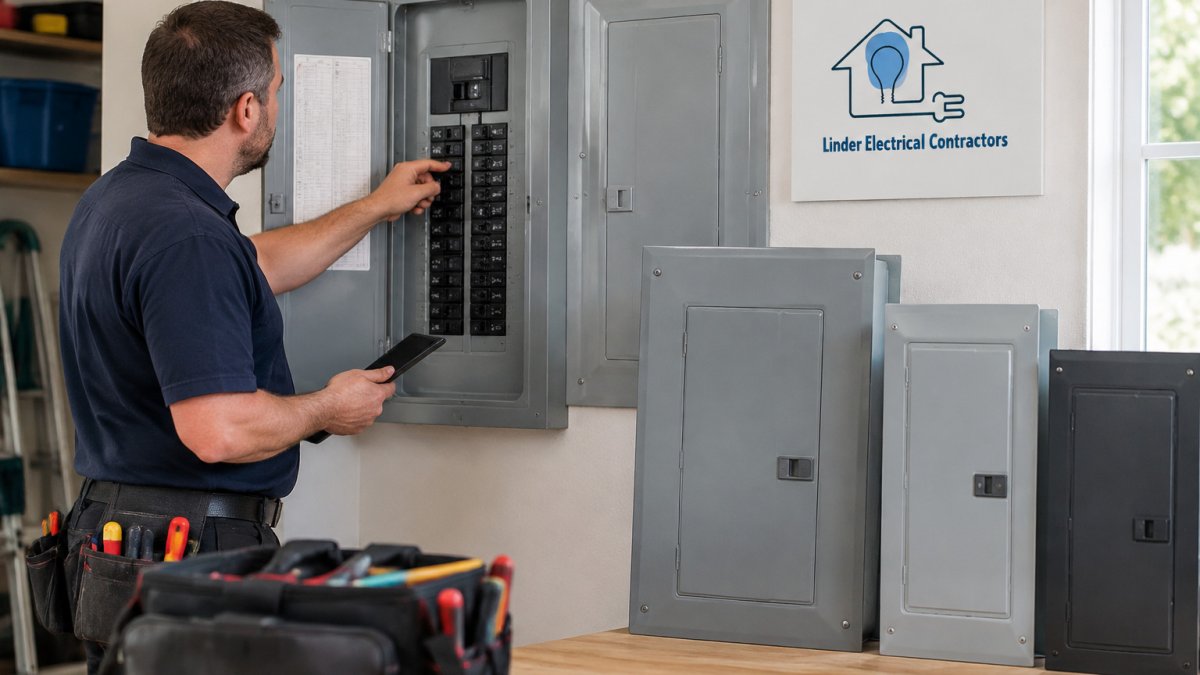
A smart electrical panel is a breaker box that monitors, controls, and protects every circuit in your home from a phone. It replaces the metal box on your garage wall with hardware that tracks energy usage in real time and lets you shut circuits off remotely.
The core job hasn't changed: it still distributes power and trips a breaker when something goes wrong. What's new is the data. A traditional panel tells you nothing until a breaker flips.
How It Differs From the Breaker Box You Have Now
Your current panel is dumb hardware. It has no idea the basement dehumidifier has been running for three days straight.
The U.S. Department of Energy's energy efficiency guidance points out that standby and always-on loads quietly inflate bills. Circuit-level visibility is what makes those loads visible.
If you're unsure whether your existing box is even a candidate, our guide on signs you need an electrical panel upgrade walks through the warning signs first.
Benefit 1: Circuit-Level Home Energy Monitoring
Home energy monitoring is the headline feature, and it's the one that changes behavior.
That breakdown answers questions your bill never will. Why did last month jump? Which appliance runs at 2 a.m.? Is the pool pump cycling more than it should?
Once you can see them, cutting waste stops being guesswork. You're not turning off lights in the dark; you're targeting the loads that actually matter.
Benefit 2: Lower Electricity Costs Through Load Management
Load management means the panel decides which circuits get power and when, so you stop paying peak rates for loads that can wait.
Savings typically come from three habits:
- Scheduling heavy loads off peak hours
- Capping total draw so the panel sheds a circuit before the main trips
- Spotting equipment that runs longer than it should
Peak demand charges hit commercial properties hardest, but residential time-of-use rates are spreading. A panel that balances loads automatically does the work without you watching a clock.
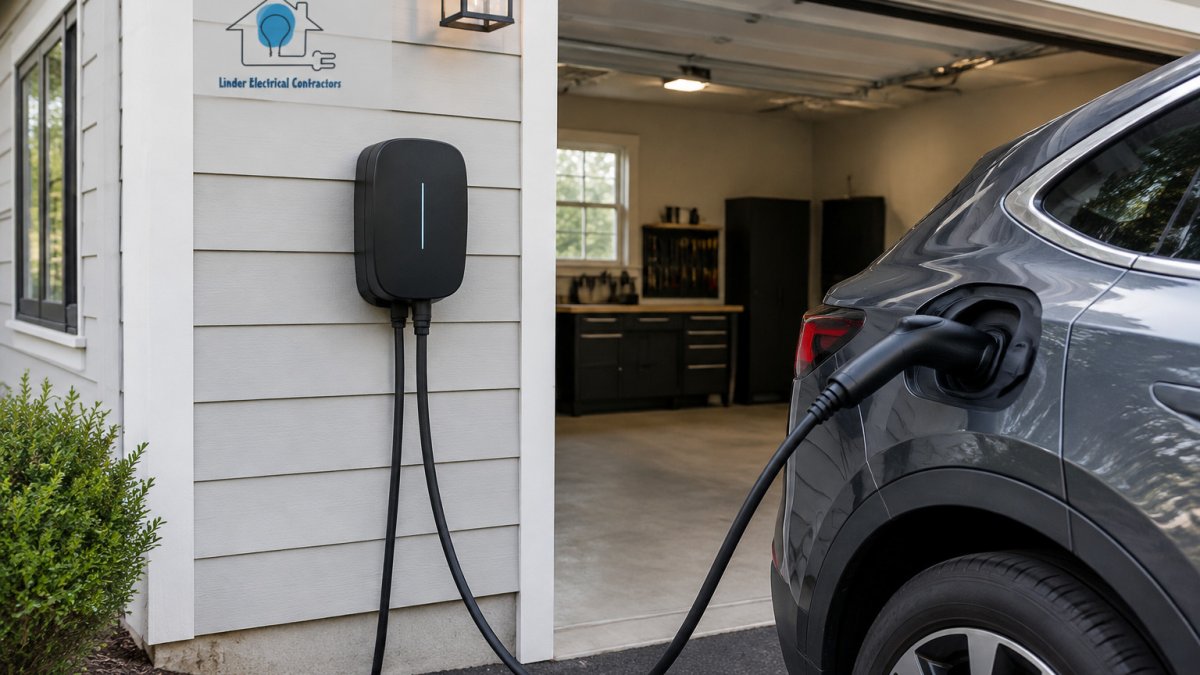
If an EV charger is on your list, the load math gets tighter. Our guide on whether your panel can support an EV charger covers what to check before you commit.
Benefit 3: Remote Control and Real-Time Monitoring From a Mobile App
Remote control turns the panel into something you actually use daily. The mobile app shows live consumption and lets you switch circuits on or off from anywhere.
Left the iron on? Kill that circuit from the office. Contractor coming while you're at work? Give them power to the garage only. Vacation?
Real-time monitoring also catches the slow stuff. A circuit that creeps up week over week usually means a failing appliance or a loose connection.
Benefit 4: Hazard Detection and Fire Prevention
Hazard detection is the benefit homeowners underrate until they need it. Smart panels watch for arcing, overloaded circuits, and abnormal heat signatures, then send an alert.
Electrical faults are a leading cause of home fires, and the U.S. Fire Administration's electrical fire data shows how often they start behind walls where nobody sees them.
The panel won't fix a bad splice.
Benefit 5: Backup Power and Solar Integration
Solar panels, battery storage, and backup power all need a panel that can manage multiple power sources.
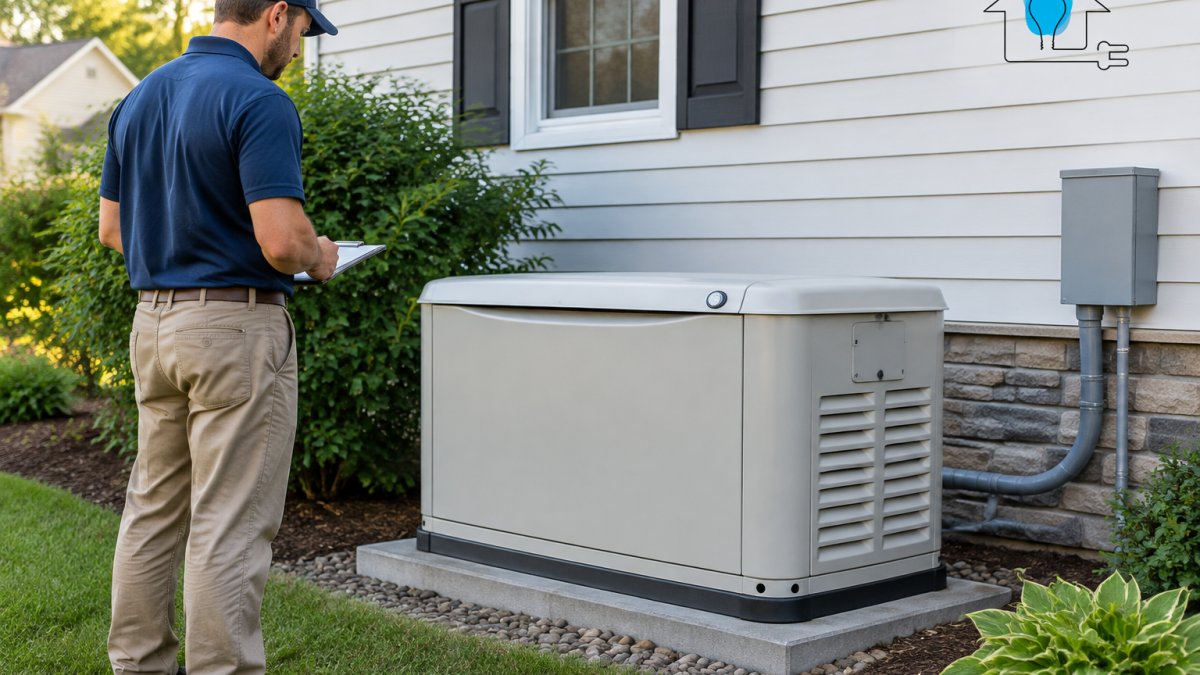
When the grid drops, the panel can keep critical circuits live: fridge, furnace, internet, medical equipment. When solar is producing more than the house uses, it routes the surplus where it belongs.
Homeowners planning a 200-amp service upgrade usually pair it with this step. Our article on the benefits of a 200 amp panel upgrade explains why the capacity matters for backup and solar.
Smart Electrical Panel vs. Traditional Panel: Side-by-Side Comparison
The practical difference comes down to visibility and control. A traditional panel is a safety device. A smart electrical panel is a safety device plus a monitoring system plus a remote switch.
| Feature | Traditional Panel | Smart Electrical Panel |
|---|---|---|
| Circuit-level monitoring | None | Real-time, per circuit |
| Remote control | No | Yes, via mobile app |
| Hazard alerts | Breaker trip only | Arcing and overload alerts |
| Load management | Manual | Automated scheduling |
| Solar and battery ready | Requires add-ons | Built in |
| Mobile app | None | Included |
| Upfront cost | Lower | Higher |
Before you pick a brand, our residential electrical panel brand buying guide covers what separates a solid panel from a cheap one.
Smart Electrical Panel Cost, Incentives, and Payback Period
Most guides wave at "it depends" and move on. That's not useful when you're deciding whether to spend thousands on a panel. Here's the honest breakdown of what drives cost, what incentives actually exist, and how to think about payback without being sold a fantasy.
What Drives the Installed Cost
Smart electrical panel cost is not one number. It's the sum of four moving parts:
- Panel hardware. Smart panels carry a premium over conventional panels because of the monitoring electronics, relays, and communications hardware. The gap widens with circuit count and amperage.
- Labor. A straightforward 200-amp swap is a one-day job for a licensed crew. Older homes with undersized service, aluminum branch wiring, or a crowded meter base add hours and materials.
- Permits and utility coordination. Permit fees vary by jurisdiction, and a utility disconnect/reconnect may carry its own charge. These are pass-through costs, not markup.
- Ancillary work. Grounding and bonding upgrades, a new meter base, or correcting double-tapped breakers all show up on the estimate.
Because those four variables swing widely by home, a published ballpark misleads more often than it helps. A written estimate after a site visit is the only number that means anything.
Incentives: What to Actually Check
Incentive programs change constantly, so treat any figure you read online as a starting point, not a promise. Three places to look:
- Your utility's rebate catalog. Many utilities list panel and load-management rebates, often tied to enrolling in a demand-response or time-of-use program.
- Federal efficiency credits. Tax credits for qualified efficiency upgrades shift with legislation. Confirm current eligibility with a tax professional before you budget around it.
- State and municipal programs. Some jurisdictions layer local incentives on top of utility rebates, particularly for homes adding solar or storage.
Incentive paperwork is often due after installation, so keep every invoice and spec sheet.
How Payback Actually Works
Payback comes from three places, and only one of them is a bill reduction:
- Lower electricity costs. Circuit-level visibility plus load shifting can trim waste, but savings depend on your rates, your loads, and whether you actually act on the data. Time-of-use rates make load management more valuable; flat rates make it less so.
- Avoided emergency repairs. Catching a failing appliance or a hot circuit early can prevent a service call or a larger repair. That's real money, but it's irregular and hard to forecast.
- Fewer outage losses. If you pair the panel with battery backup, avoided spoiled food and lost work time count toward payback. Without backup, this line is zero.
Payback is generally measured in years rather than months, and the case is typically strongest for homeowners already adding solar, storage, or EV charging.
Watch out: any quote that promises a specific payback period without asking about your rates, loads, and utility programs is guessing.
For a rough sense of what a panel swap involves, our 2026 electrical panel replacement cost guide breaks down the pricing factors.
Smart Electrical Panel Installation: Permits, Code, and What to Expect
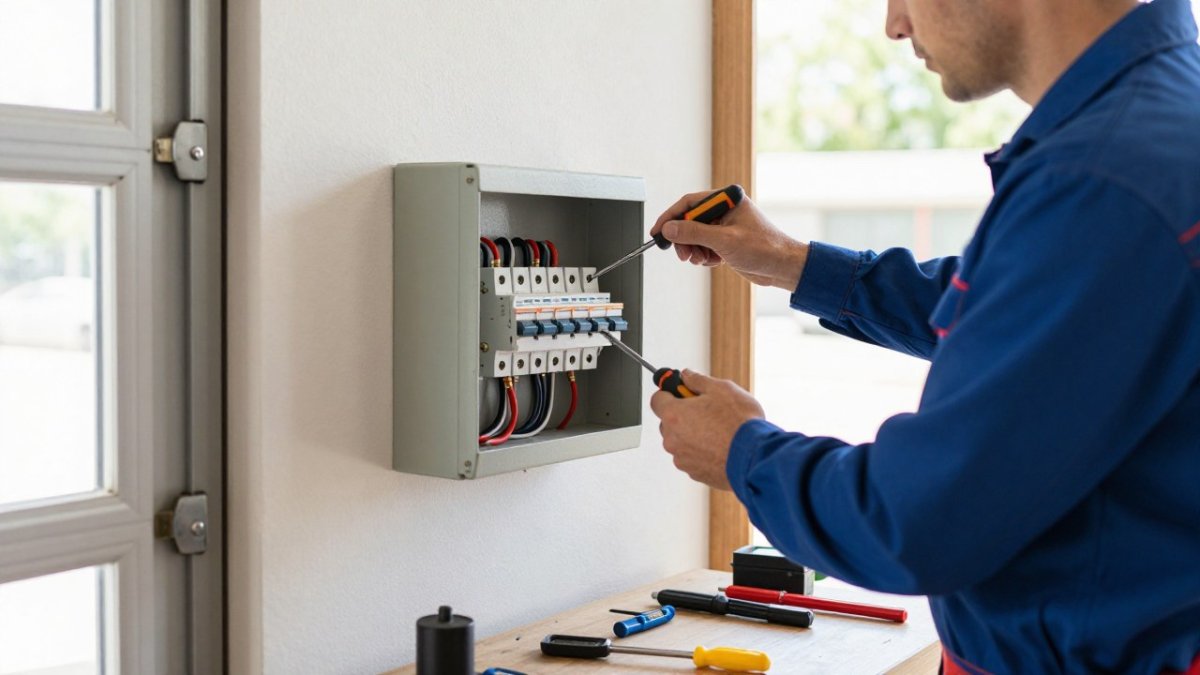
Installation is a permitted job, not a weekend project. The sequence matters as much as the work itself, because skipping a step can mean failing inspection and paying twice.
The Step-by-Step Sequence
- Assessment and load calculation. Before anything is ordered, the electrician confirms your service capacity and runs a load calculation to size the panel correctly. This is where undersized service, aluminum branch wiring, or a crowded meter base get flagged.
- Permit application. A panel swap requires an electrical permit. The permit application typically includes the panel model, amperage, and a load calculation. Pulling the permit before work starts is non-negotiable.
- Utility disconnect. The utility must disconnect power before the old panel comes out. Scheduling this is often the longest lead-time item in the job.
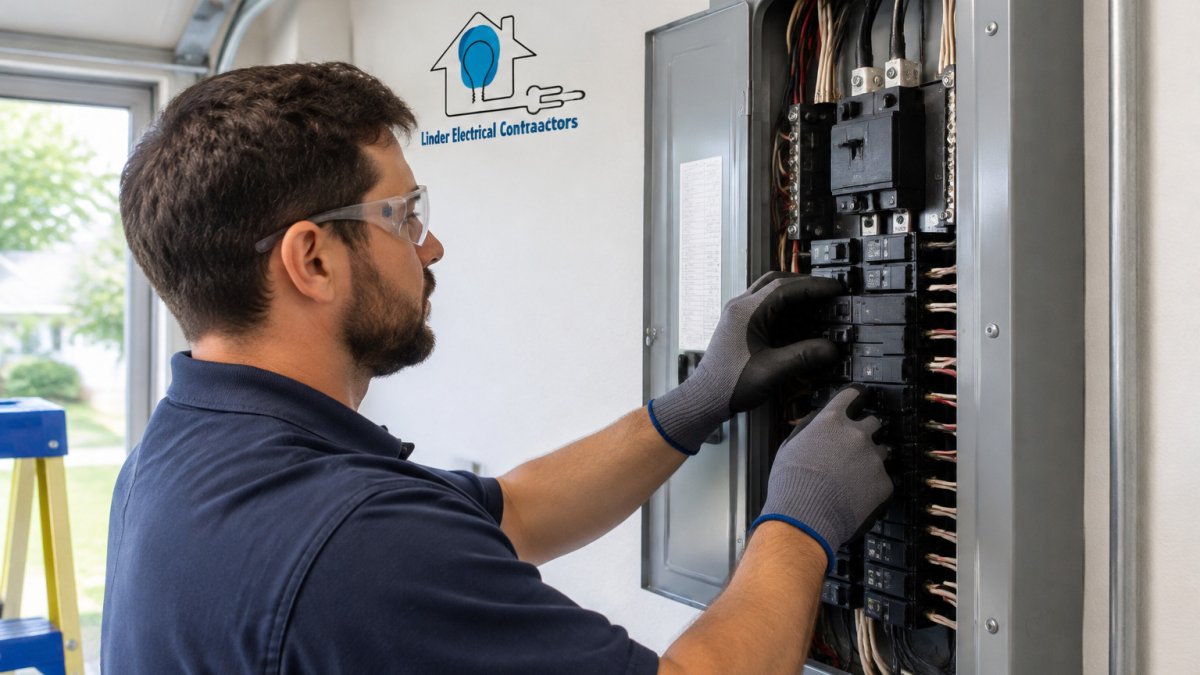
- Panel swap and wiring. The old panel comes out, the new one goes in, and branch circuits are landed on the new breakers. Grounding and bonding are brought up to current code.
- Inspection. The local inspector verifies the work against the adopted electrical code before the utility will reconnect.
- Utility reconnect and commissioning. Power comes back on, the panel is commissioned, and the app is set up with circuit labels.
Code Considerations That Affect Your Job
The National Electrical Code from NFPA governs how the panel is bonded, grounded, and sized, and your local inspector enforces the version your jurisdiction has adopted. Two code points come up most often on panel swaps:
- Working clearance. The panel needs clear space in front of it. A panel buried behind shelving or a water heater fails inspection.
- Grounding and bonding. Older homes often have grounding that doesn't meet current requirements. Correcting it is part of the job, not an upsell.
Local amendments vary, so the inspector's checklist is the final word.
What to Expect on Timing
The calendar time from signed estimate to power-on is usually driven by permit approval and utility scheduling, not by the physical work. Older homes with undersized service, aluminum branch wiring, or a crowded meter base take longer and may require a service upgrade alongside the panel.
We handle the permit and inspection process so you're not chasing the township or utility yourself.
Is a Smart Panel Right for You?
A smart panel makes sense if you want to see where your power goes, plan for solar or an EV, or manage a home with high and variable loads.
Skip it if your existing panel is already modern, your service capacity is adequate, and you have no plans to add major loads.
Best for: homeowners adding solar, batteries, EV charging, or backup power. Skip if: your panel is recent, your bills are stable, and no new loads are coming.
Frequently Asked Questions
How much does a smart electrical panel cost to install?
Smart electrical panel cost depends on the panel model, your home's existing wiring, whether a service upgrade is needed, and local permit fees. Most installations run well above the price of a standard panel because of the electronics and app integration. Linder Electrical Contractors provides free written estimates, so you can review the full number before work starts.
Can a smart electrical panel lower my electricity bills?
It can help, but the savings come from how you use the data. Circuit-level home energy monitoring shows which appliances draw the most power, and load management can shift heavy loads off peak demand hours when rates are higher. Savings depend on how you use that information. The panel is a tool, not an automatic discount.
Can a smart electrical panel manage backup power during an outage?
Yes. Many smart panels support backup power by prioritizing essential circuits, such as refrigeration, heating, and medical equipment, when paired with a generator or battery storage. During an outage the panel sheds non-essential loads so your backup source lasts longer. Confirm compatibility with your specific generator or battery before buying, since not every model pairs with every system.
Is a smart electrical panel worth it for a typical home?
It makes the most sense if you are already planning a panel upgrade, adding solar, installing battery storage, or charging an EV. In those cases the monitoring and load management features earn their keep. If your current panel is safe, has spare capacity, and you have no plans for major electrical additions, a standard panel or a simple energy monitor is usually the better value.