 How-to
Book a Commercial Electrical Contractor: A Hiring Guide
Table of Contents
- Why Hiring a Commercial Electrical Contractor Matters
- What to Know Before You Call: Preparing Your Project
- Commercial Electrical Services: Understanding What You Need
- How to Find and Vet a Commercial Electrical Contractor
- Commercial Electrical Repair and Inspection Services
- Getting a Quote and Comparing Estimates
- Scheduling Your Commercial Electrical Service Call
- Code Compliance and Permits: What to Expect
- Frequently Asked Questions
Last Updated: October 21, 2026
Why Hiring a Commercial Electrical Contractor Matters
When your commercial electrical system fails, it's a business disruption. A commercial electrical contractor handles everything from routine maintenance to emergency repairs that keep your operation running safely and legally, the difference between a quick fix and weeks of downtime.
Building a relationship with a trusted professional can help business owners avoid scrambling when electrical issues arise. Whether you manage a retail space, office building, or industrial facility, the right commercial electrical contractor protects your investment and reputation.
The stakes are higher than residential work. Commercial systems carry higher voltages, serve more people, and fall under stricter code requirements. A contractor with the licenses, insurance, and experience to handle these demands isn't optional, it's essential.
What to Know Before You Call: Preparing Your Project
Before you dial a commercial electrical contractor, get clear on what you need. Vague requests lead to vague estimates and surprises, so spend 15 minutes documenting your situation.
Start by identifying the scope: a single dead circuit, flickering lights across zones, a panel upgrade, or a new installation? Write down exactly what's happening and when. For intermittent problems, note when they occur and what triggers them, that tells a contractor whether they're facing a quick diagnostic or a deeper investigation.
Next, gather your building documentation: electrical blueprints, panel diagrams, and previous service records. Without blueprints, note the age and size of your building, since older commercial spaces often have outdated wiring that complicates upgrades.
Finally, clarify your constraints: off-hours work to avoid disruption, a budget ceiling, hard completion dates. Being upfront helps contractors propose realistic solutions rather than ideal-world approaches.
Commercial Electrical Services: Understanding What You Need
Commercial electrical services span a wide range. Knowing the main categories helps you communicate your need and evaluate whether a contractor's expertise matches your project.
Installation and upgrades form the foundation of commercial work: new circuits, panel upgrades, service expansions, and complete systems for new construction or major renovations. A commercial electrical contractor doing this work must read blueprints, understand load calculations, and navigate code requirements.
Repair and troubleshooting address problems in existing systems: flickering lights, dead outlets, tripped breakers, equipment failures. The best contractors diagnose quickly rather than replacing components unnecessarily, identifying root causes instead of treating symptoms.
Maintenance and inspection keep systems running reliably. Periodic inspections catch wear and potential failures before they become emergencies. Thermography identifies overheating circuits; load testing confirms panels handle their rated capacity safely. Many owners neglect this until something breaks, which is expensive.
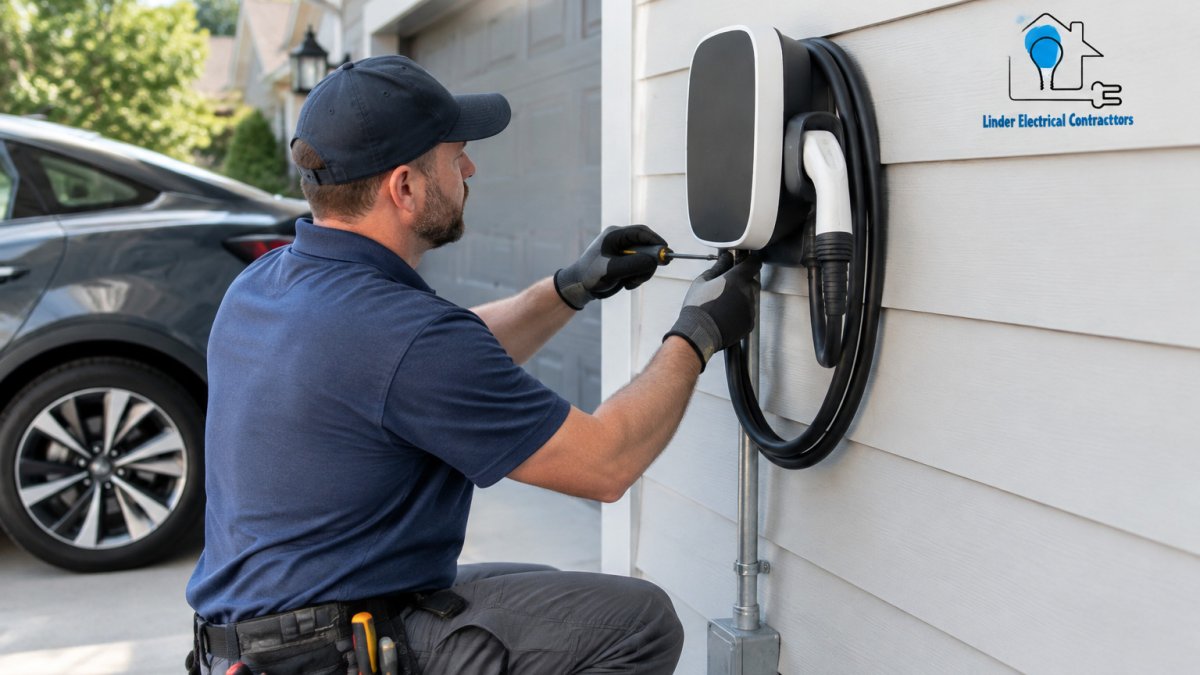
Specialized installations like EV chargers, backup generators, and solar systems require specific expertise. Not every commercial electrical contractor handles all of these, so verify they've completed similar projects before.
How to Find and Vet a Commercial Electrical Contractor
Finding a qualified commercial electrical contractor starts with a targeted search, but vetting separates capable professionals from anyone with a truck and a business license.
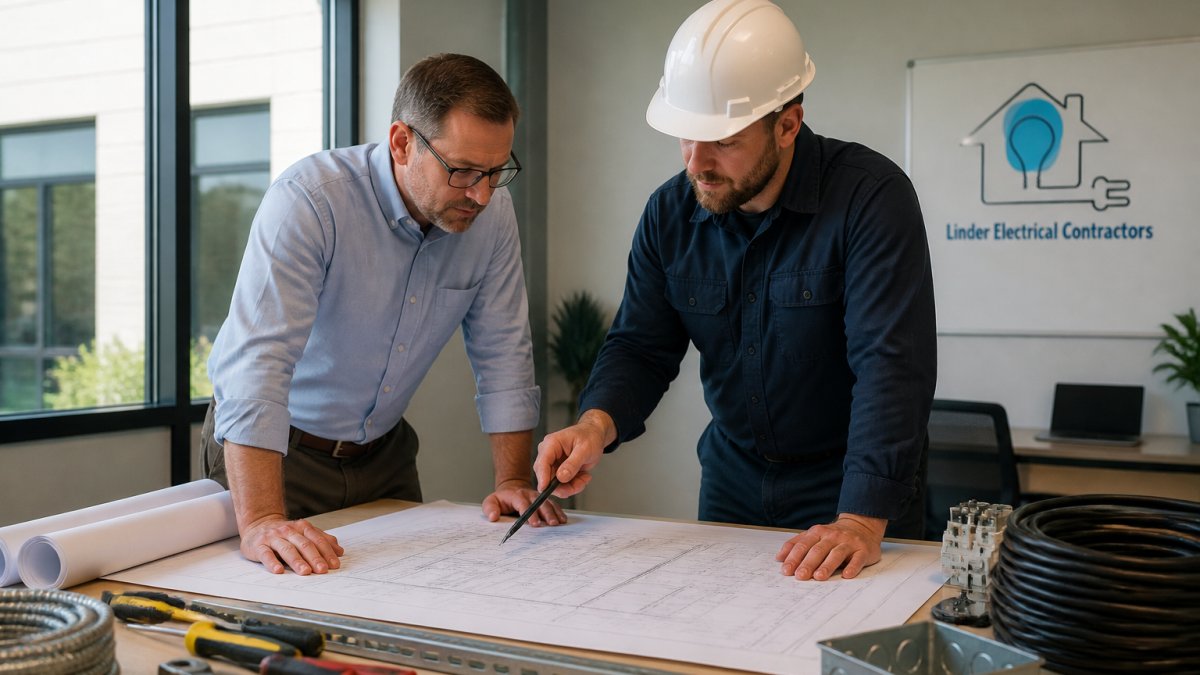
Begin with referrals. If you manage multiple properties or know other business owners, ask who they trust, they've seen the contractor's work and reliability firsthand. Local property management associations and chamber of commerce groups often have recommendations.
Online searches for "commercial electrical contractor near me" surface local options.
Visit the contractor's website. Clear service descriptions, team information, and contact options suggest they take their business seriously. Sparse or outdated sites sometimes indicate smaller operations, which isn't inherently bad but is worth noting.
Call 3-5 contractors and listen to how they respond. Do they ask clarifying questions or immediately quote a price? Do they explain their process or stay vague?
Licensing, Insurance, and Local Permits
This is non-negotiable. A commercial electrical contractor must hold a valid electrical license for your state. In most jurisdictions, commercial work requires a higher license classification than residential. Verify the license through your state's licensing board, don't just take their word for it. A quick online search confirms status and any disciplinary history.
Insurance protects you if something goes wrong. Require proof of general liability and workers' compensation coverage, and ask for a certificate naming your business as an additional insured.
Permits and inspections are legally required for most commercial electrical work. A contractor who tries to skip permits is cutting corners in the wrong place, permits ensure work meets code and inspectors verify safety. The contractor should handle the permit process; if they tell you to get permits yourself, find someone else.
Questions to Ask Before Booking
These questions separate thorough contractors from those who wing it.
Ask about experience with your specific project type.
Ask about their timeline and how they handle delays. Commercial work often uncovers surprises, old wiring, structural issues, code violations.
Ask who will do the work. A team led by a licensed electrician with apprentices is standard, and a licensed electrician should oversee the work and sign off on permits.
Ask how they handle change orders: what happens if scope expands mid-project, and how additional costs are documented. Clear processes prevent billing surprises.
Ask about emergency availability. If something breaks at 2 a.m., can they respond? Not every contractor offers 24/7 service, so if it matters to your business, confirm it upfront.
Commercial Electrical Repair and Inspection Services
When something breaks or you suspect problems, repair and inspection services get your system back to normal or prevent failures before they happen.
Repair services address immediate failures: a circuit breaker that won't reset, outlets that stopped working, or equipment that won't power on. Cost depends on the cause, a loose connection takes 30 minutes, a failed breaker costs more, and a compromised wire might trigger code compliance work. A good contractor explains what they found and why the repair costs what it does.
Diagnostic Inspection and Troubleshooting
A commercial electrical inspection identifies problems before they become emergencies. Thermography detects overheating circuits, a sign of loose connections or overloaded wiring. Load testing confirms your panel can handle your equipment safely. Visual inspections catch corrosion, damaged conduit, and outdated components.
Troubleshooting is the detective work. Flickering lights might indicate loose neutrals, voltage fluctuations, or failing ballasts. Dead circuits could be tripped breakers, failed breakers, or open neutrals. A skilled troubleshooter tests systematically to isolate the cause rather than replacing parts until something sticks.
Inspection reports document findings and recommend priorities. Some issues are urgent safety hazards. Others are maintenance items. A clear report helps you budget and plan work without panic.
Getting a Quote and Comparing Estimates
Never book a contractor based on price alone. Comparing estimates requires understanding what each one covers.
Request written estimates from at least three contractors.
Look for consistency in scope across estimates. If one contractor's estimate is half the others, ask why. Are they using different materials? Skipping inspections? Assuming less work?
Ask what's included: permits and inspections? Disposal of old materials? Testing and certification? Cleanup? These add up, and an estimate that looks cheap but excludes them will cost more in the end.
Check the payment terms. Some contractors require deposits. Others bill upon completion. Progress payments for large projects are standard. Understand the terms before signing.
Timing matters too. How quickly can they start? How long will the work take? If you need work done by a specific date, confirm the contractor can meet it.
Scheduling Your Commercial Electrical Service Call
Once you've selected a contractor, scheduling requires attention to detail so the work happens when you need it and disrupts business minimally.
Response Times and Emergency Availability
If you're calling for an emergency, no power, fire hazard, safety concern, ask about response time when you call. Many contractors offer same-day or next-day service for emergencies. Routine work might have a longer wait. Understanding the timeline helps you plan.
For non-emergencies, discuss the contractor's typical schedule. Some book weeks out. Others have more flexibility. If you need work done quickly, say so. Contractors who can accommodate tight timelines might charge a premium, but that's the trade-off.
Minimizing Business Disruption
Commercial work often requires power shutdowns or access to areas during business hours. Coordinate with your contractor to minimize impact.
Discuss whether work can happen after hours or on weekends. Many contractors charge premium rates for off-hours work, but keeping your business running is worth it. If daytime work is necessary, ask the contractor to schedule around your busiest periods.
Clear the work area before the contractor arrives. Remove obstacles, secure equipment, and brief staff on where contractors will be working. This keeps the job moving and reduces accidents.
Communicate the scope to your team. If power will be cut to certain areas, warn tenants or staff. If access to specific rooms is needed, have someone available to unlock doors. The smoother the logistics, the faster the work completes.
Code Compliance and Permits: What to Expect
Commercial electrical work must meet the National Electrical Code and local amendments. Understanding this process prevents surprises and delays.
A commercial electrical contractor familiar with your jurisdiction knows the local requirements. Codes vary by region, and some areas have stricter rules than others.
The permit process requires submitting plans, getting approval, having inspections during and after work, and receiving a certificate of compliance.
If the inspector finds code violations, the contractor must correct them, which can add time and cost.
Once work is complete and inspected, you receive documentation proving compliance.
| Preparation Step | What to Document | Why It Matters |
|---|---|---|
| Problem Description | Symptoms, timing, affected areas | Helps contractor diagnose quickly |
| Building Information | Age, size, previous service records | Reveals potential code or wiring issues |
| Blueprints and Diagrams | Electrical panel layout, circuit maps | Speeds up planning and estimates |
| Business Constraints | Off-hours availability, budget, deadlines | Ensures realistic project planning |
| Service Type | When You Need It | What to Expect |
|---|---|---|
| Repair | Equipment failure, dead circuits, breaker issues | Diagnosis + fix, same-day or next-day |
| Inspection | Preventive maintenance, before property purchase | Report with findings and recommendations |
| Installation | New construction, major upgrades, specialized systems | Permits, inspections, code compliance |
| Troubleshooting | Intermittent problems, unclear causes | Systematic testing to isolate root cause |
According to the National Electrical Code standards, commercial electrical systems must be installed and maintained to specific safety standards that vary by application and local jurisdiction. A contractor familiar with your area's amendments ensures compliance without delays.
Research from the Electrical Contracting Industry Association shows that licensed, insured contractors complete projects with fewer safety incidents and code violations than unlicensed operators.
The Better Business Bureau guidelines for hiring contractors recommend verifying licensing, checking references, and requesting written estimates before committing.
Frequently Asked Questions
What information should I have ready when booking a commercial electrical contractor?
Gather your building's age, current electrical panel capacity, a description of the work needed, your project timeline, and any existing blueprints or electrical drawings. Have your property address, business hours, and access details ready. If you've received quotes from other providers, note the scope differences. This preparation helps the contractor give you an accurate estimate and reduces back-and-forth delays.
How do I know if a commercial electrical contractor is properly licensed and insured?
Ask for proof of a current electrical license from your state's licensing board and general liability insurance with at least $1 million in coverage. Request a Certificate of Insurance naming your property as an additional insured. Verify the license number independently through your state's regulatory agency. Licensed contractors understand National Electrical Code requirements and local permit rules, protecting your business from safety violations and code failures.
What's the difference between a commercial electrical service call and a full inspection?
A commercial electrical service call typically addresses a specific problem, a dead circuit, flickering lights, or equipment failure. A full commercial electrical inspection examines your entire system, including the panel, wiring methods, grounding, and load calculations, to identify hidden issues and code violations. Inspections are often required for property sales, tenant build-outs, or when planning upgrades. Service calls are faster and cheaper; inspections provide comprehensive system assessment.
How quickly can a commercial electrical contractor respond to an urgent issue?
Response times vary by contractor. Many offer 24/7 emergency service with same-day or next-day availability for critical failures that affect operations. Ask about emergency response fees, which may differ from standard rates. For non-urgent work, expect scheduling within 1-2 weeks depending on workload. Confirm the contractor's typical response time and whether they service your area regularly to avoid delays.