 ultimate-guide
Commercial Electrical Maintenance for Property Managers
Table of Contents
- Why Commercial Electrical Maintenance Matters for Property Managers
- Building a Commercial Electrical Maintenance Checklist
- Commercial Electrical Inspection Requirements You Must Know
- Preventive Maintenance Strategies to Reduce Facility Downtime
- Hiring an Electrician for Commercial Maintenance
- Emergency Response and Commercial Lighting Systems
- Budgeting, ROI, and Liability Documentation
- Frequently Asked Questions
Last Updated: October 4, 2026
Why Commercial Electrical Maintenance Matters for Property Managers
Commercial electrical maintenance is the systematic process of inspecting, testing, and servicing electrical systems in commercial buildings to prevent failures, ensure safety, and extend equipment lifespan.
Electrical failures create cascading problems: a single circuit breaker malfunction can trigger downtime costing thousands in lost productivity, while neglected infrastructure increases fire, shock, and code violation risks. Emergency repairs cost 3-5 times more than scheduled maintenance and expose you to liability claims.
Buildings with preventive maintenance schedules avoid catastrophic failures. This guide covers essential strategies, inspection requirements, and contractor relationships that keep commercial electrical systems reliable and compliant.
Building a Commercial Electrical Maintenance Checklist
A structured maintenance checklist separates routine inspections from deeper assessments to catch issues without overwhelming your team.
Monthly and Quarterly Inspections
Monthly walkthroughs catch visible problems: flickering lights, warm outlets, burning smells near panels, or repeatedly tripped breakers. Document findings, these clues signal underlying issues requiring professional diagnosis.
Quarterly inspections test GFCI outlets in wet areas (press "test", power should cut immediately), verify emergency lighting backup power, inspect wiring for damage or corrosion, and ensure panel doors are accessible and unblocked.
Keep a maintenance log recording dates, findings, and repairs, this protects you legally and helps contractors understand system history.
Annual Deep-Dive Assessments
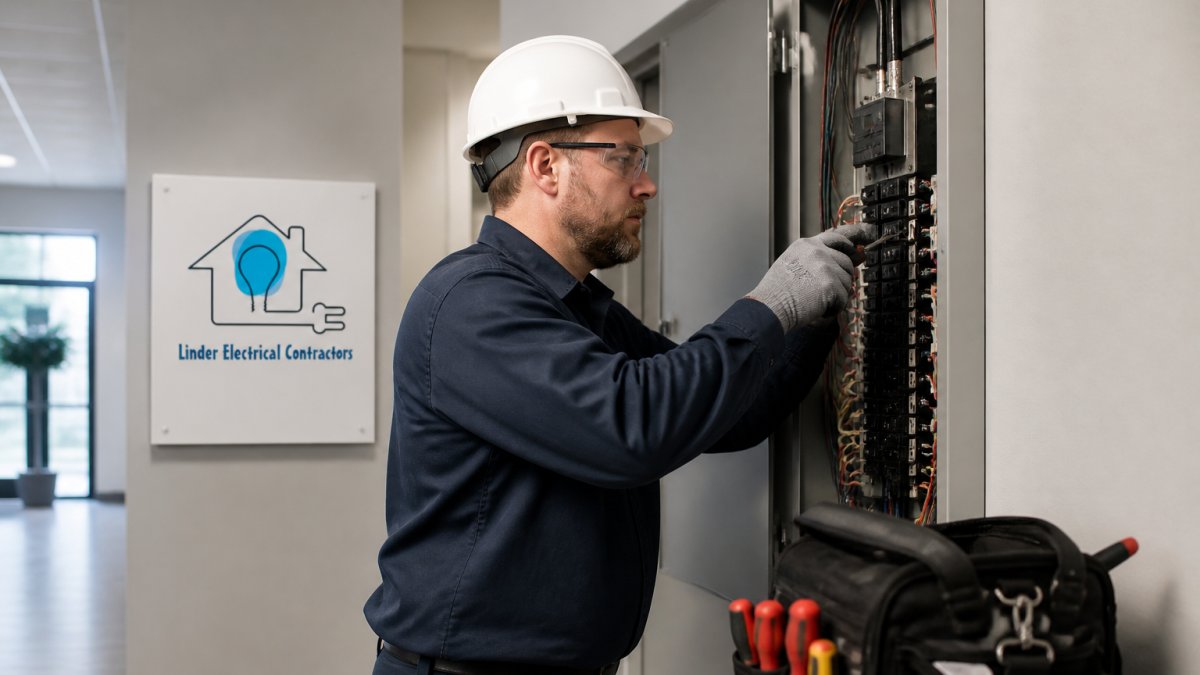
Hire a licensed electrician annually for a comprehensive audit covering load testing, thermal imaging to detect overheating, and full panel inspection including breaker condition and grounding.
The annual assessment should include code compliance review, as older systems may no longer meet current National Electrical Code (NEC) standards.
Commercial Electrical Inspection Requirements You Must Know
Electrical code compliance is a legal requirement that varies by building type, age, and jurisdiction. Understanding your obligations prevents violations, reduces liability, and ensures safety.
Code Compliance Framework and Inspection Frequency
The National Electrical Code (NEC), updated every three years, establishes baseline safety standards. Most jurisdictions adopt the NEC directly.
Inspection frequency depends on building age, occupancy classification, and local regulations:
New Construction: All commercial buildings require electrical inspection and approval before occupancy.
Buildings 0-5 Years Old: Annual inspections are standard; thermal imaging often reveals early connection issues or component failures.
Buildings 5-20 Years Old: Most jurisdictions require inspections every 3-5 years; high-risk occupancies (data centers, labs, healthcare, industrial) typically require annual inspections.
Buildings 20+ Years Old: Inspections every 3-5 years are typical, though many managers conduct annual inspections since aging infrastructure is more prone to failure.
Confirm inspection frequency with your local authority having jurisdiction, requirements vary significantly and non-compliance risks fines, permit loss, or liability.
Thermal Imaging and Predictive Maintenance
Thermal imaging detects excess heat from overloaded circuits, loose connections, failing components, and corrosion, identifying problems before failure.
A thermal imaging inspection scans electrical panels for hot spots on breakers and connections, inspects main disconnects for resistance or corrosion, checks transformer and capacitor banks for overheating, and examines backup generator connections and transfer switches.
The electrician compares thermal images against baseline temperatures. A connection running 10-15°F hotter than similar connections suggests resistance that will eventually cause failure.
Schedule thermal imaging annually for critical systems; semi-annual scans are advisable for aging or high-demand buildings. Cost ($1,500-$3,000) is minimal compared to unplanned outages or fires.
Load Testing and Circuit Capacity Verification
Load testing measures circuit and panel performance under actual operating conditions, essential when tenants add equipment or you plan upgrades.
Load testing measures voltage drop (should not exceed 3% for branch circuits, 5% for feeder circuits), temperature rise in conductors, and breaker response time at rated amperage.
Excessive voltage drop or temperature rise indicates undersized circuits or connection issues requiring repair before additional load is added.
Load testing is valuable when tenants request power for new equipment, you're planning upgrades, circuits have tripped repeatedly, or you're reconfiguring space.
Smart Building Integration and Continuous Monitoring
Modern property managers use IoT-enabled electrical monitoring systems providing real-time visibility and alerts before faults occur.
Smart monitoring systems measure voltage, amperage, power factor, harmonic distortion, temperature at connection points, and power interruption frequency.
These systems alert you to anomalies, unusual current draw, breakers near limits, or temperature rise, allowing preventive maintenance rather than emergency response.
Systems integrate with building management systems. Upfront cost is offset by reduced downtime and optimized load distribution.
Smart monitoring transforms maintenance from reactive to predictive, preventing failures before they occur.
Preventive Maintenance Strategies to Reduce Facility Downtime
Preventive maintenance is far cheaper than emergency repairs, which force premium pricing and business interruption. Scheduled inspections allow repairs during low-occupancy periods at standard rates.
Thermal Imaging and Load Testing
Schedule thermal imaging and load testing annually for critical systems, main panels, backup generators, and circuits serving essential equipment like HVAC or emergency lighting.
Circuit Breaker and Electrical Panel Maintenance
Circuit breakers age and response time slows. Electricians can test breaker response to confirm they trip at rated amperage; failed breakers need replacement.
Panels require inspection for corrosion, loose connections, and proper labeling. Clear labeling is critical for emergency response and tenant access.
Panel maintenance includes checking the main disconnect, verifying grounding, and inspecting for arcing or heat damage that may indicate installation defects.
Hiring an Electrician for Commercial Maintenance
Not all electricians are equipped to handle commercial electrical maintenance. Commercial systems are more complex than residential wiring, and the stakes are higher.
What to Look for in a Contractor
Your electrician must hold a valid commercial electrical license. Verify credentials, licensing, and insurance before hiring.
Ask about experience with similar buildings. Electricians experienced with older buildings understand aging infrastructure challenges; new construction specialists may miss legacy system problems.
Request references from other property managers. Ask specifically about reliability, do they show up on schedule? Do they communicate clearly about findings and costs? Do they follow through on commitments?
Insurance matters. Your contractor should carry general liability and workers' compensation insurance. Request certificates of insurance and verify coverage limits are adequate.
Building a Long-Term Contractor Relationship
A single electrician or electrical firm that knows your buildings inside and out is invaluable. They understand your facility's electrical quirks, history of repairs, and upgrade timeline.
Establish a service level agreement (SLA) that defines response times for emergency calls, availability for scheduled maintenance, and communication protocols.
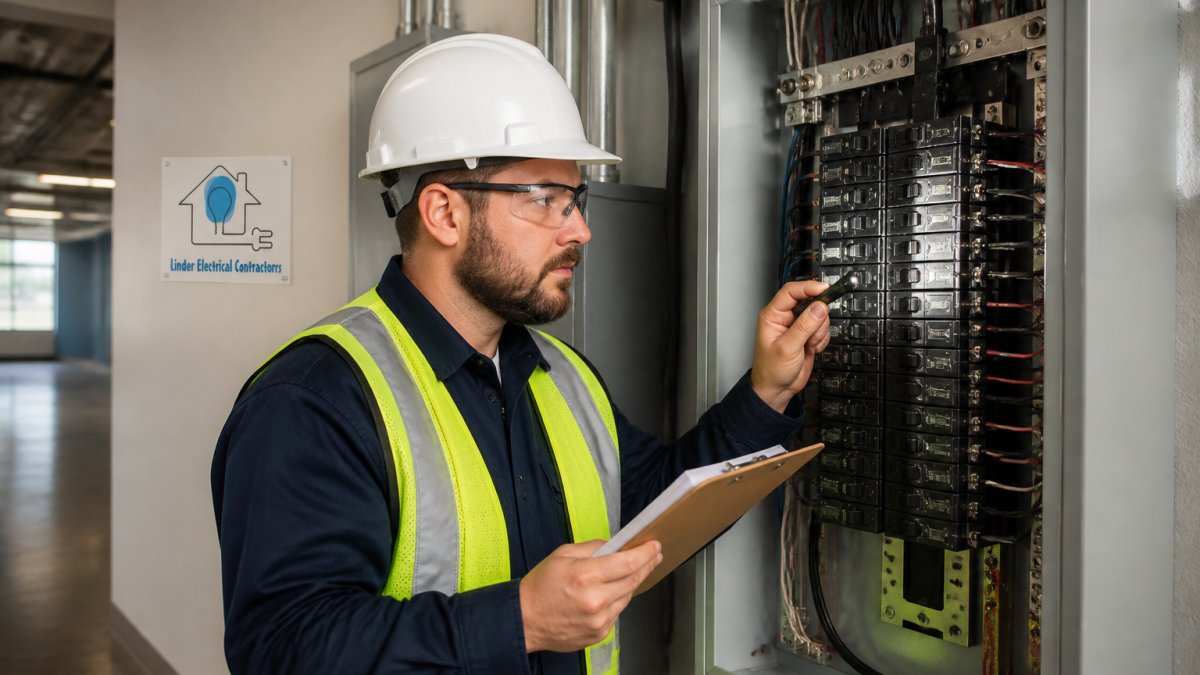
Schedule regular maintenance appointments rather than calling only when problems arise. Consistency builds the contractor's familiarity with your systems and allows them to spot trends over time.
Emergency Response and Commercial Lighting Systems
Commercial electrical emergencies require immediate response. A complete power loss, burning smell from a panel, or sparking outlet demands 24/7 emergency service.
Commercial lighting systems deserve dedicated attention. LED retrofits reduce energy consumption, but they also change electrical load profiles on circuits. An electrician can assess whether your existing circuits and panels support new lighting systems or require upgrades.
Emergency lighting and exit signs must function during power outages. These systems require backup batteries and regular testing. Include emergency lighting checks in your quarterly inspections and ensure your electrician tests backup power activation annually.
Budgeting, ROI, and Liability Documentation
Commercial electrical maintenance requires budget allocation, but many property managers struggle to justify the expense to building owners without a clear financial model. The strongest approach combines cost-benefit analysis with liability risk reduction, two languages that resonate with ownership and insurance carriers alike.
Building a Financial Case for Preventive Maintenance
Preventive maintenance costs less than emergency repairs, but the savings are only persuasive when quantified. Start by tracking your actual spending over 12-24 months.
Document the downtime impact. If a tenant loses power for four hours due to a panel failure, calculate the business interruption cost. For a retail tenant, that might be $500-$2,000 in lost sales. For a data center or medical office, the cost is exponentially higher.
Create a three-year maintenance budget that includes:
- Routine inspections (monthly/quarterly): $1,500-$3,000 annually depending on facility size
- Annual comprehensive audit: $2,000-$5,000
- Thermal imaging and load testing: $1,500-$3,000 annually
- Panel and breaker maintenance: $2,000-$4,000 annually
- Emergency reserve fund: 15-20% of total electrical budget for unexpected repairs
Total annual electrical maintenance for a mid-sized commercial property requires budget allocation. Compare this to a single emergency panel replacement or a fire loss claim, and the ROI becomes undeniable.
Maintenance Logs as Liability Defense
Documentation serves a dual purpose: it demonstrates due diligence and creates a legal record that protects you in liability disputes. Every inspection, repair, and maintenance activity should be logged with the date, findings, work performed, and the electrician's name and license number.
Insurance carriers and legal teams rely on maintenance logs to establish that you took reasonable precautions to maintain electrical safety.
Maintenance logs should include:
- Inspection date and time
- Systems inspected (panels, circuits, lighting, emergency systems, etc.)
- Findings (normal operation, minor issues, critical defects)
- Work completed (repairs, replacements, upgrades)
- Contractor name, license number, and signature
- Next recommended inspection date
- Photos or thermal images of any defects or repairs
Store these records digitally and in hard copy. Many property managers use facility management software (such as Corrigo, Maximo, or similar platforms) to centralize maintenance records, making them easily retrievable if needed for insurance claims or legal proceedings.
Insurance and Liability Risk Reduction
When you renew your property insurance, provide your maintenance records to the insurance broker. Properties with documented preventive maintenance programs often qualify for lower premiums because they represent lower risk.
Additionally, maintenance documentation protects you in the event of a tenant injury or property damage claim.
Share your maintenance program summary with your insurance carrier and ask whether they offer risk reduction credits. Many do, and the premium savings often offset a portion of your maintenance spending.
Frequently Asked Questions
What are the essential components of a commercial electrical maintenance plan?
A solid maintenance plan includes monthly equipment inspections, quarterly thermal imaging checks, annual electrical audits, circuit breaker testing, and load testing on distribution systems. Documentation of all maintenance logs and compliance reporting is critical. The plan should also address emergency response protocols and schedule preventive maintenance during low-traffic periods to minimize facility downtime and ensure electrical safety standards are met consistently.
How often should commercial properties undergo electrical inspections?
Commercial properties should have formal electrical inspections at least annually, with more frequent checks for high-use facilities or older buildings. Monthly visual inspections of panels, outlets, and lighting systems help catch issues early. Thermal imaging inspections should occur annually to detect overheating in electrical infrastructure before failures occur. More frequent inspections may be required based on local electrical code compliance requirements and your service level agreement with a contractor.
What documentation should property managers keep for electrical repairs and maintenance?
Maintain detailed maintenance logs for every service call, inspection, and repair, including dates, work performed, parts replaced, and contractor name. Keep copies of electrical safety certifications, load test reports, thermal imaging results, and compliance documentation. Store service level agreements with your contractor and records of any code violations found and corrected. This documentation protects you from liability, supports insurance claims, and demonstrates due diligence if regulatory agencies audit your facility.
How do property managers benefit from a long-term partnership with an electrical contractor?
A long-term contractor relationship means faster emergency response times, better knowledge of your facility's electrical infrastructure, and more cost-effective maintenance planning. Contractors familiar with your buildings can identify patterns and predict failures before they happen, reducing outage prevention costs. They understand your tenant satisfaction needs and can prioritize work accordingly. You also build trust and reliability, ensuring someone familiar with your systems is available 24/7 for emergencies.
What makes hiring a licensed and insured electrician essential for commercial maintenance?
A licensed electrician has passed rigorous exams on electrical code compliance and safety standards required by regulatory bodies. Insurance protects your property if accidents occur during maintenance or repairs. Licensed contractors maintain continuing education on the latest electrical safety standards and building automation technologies. They understand liability requirements and can provide documentation needed for compliance reporting. Unlicensed work can void insurance coverage and create serious safety hazards for tenants and staff.
How can thermal imaging help reduce electrical maintenance costs?
Thermal imaging detects overheating in electrical panels, connections, and equipment before they fail, allowing predictive maintenance rather than emergency repairs. Hot spots indicate loose connections, overloaded circuits, or failing components that can be fixed during scheduled maintenance windows instead of causing sudden facility downtime. Early detection prevents expensive emergency calls, extends equipment life, and reduces energy waste from inefficient power distribution. Annual thermal imaging as part of your preventive maintenance schedule typically pays for itself through avoided outages.