 Ultimate guide
Electrical Panel Capacity for Modern Appliances
Last Updated: November 18, 2026
Quick Summary
Electrical panel capacity is the total amperage a home's service panel can safely deliver at one time, and most single-family homes run on 100-amp, 150-amp, or 200-amp service. A 100-amp panel handles gas appliances, lighting, and receptacles, while a 200-amp panel covers a full electric kitchen, AC, EV charging, and a heat pump with room to spare.
- Older homes built before the 1970s were commonly wired with 60-amp or 100-amp service.
- Read the number on the main breaker at the top of the panel to check for 100 or 200 amp service.
- An EV charger is often the biggest single addition, drawing 32 to 48 amps continuously for hours.
- Load management devices can pause an EV charger so a 100-amp panel supports it without upgrading to 200 amps.
- A 200-amp panel installed now usually covers a heat pump, an EV, and an electric range without a second upgrade.
Table of Contents
- Standard Electrical Panel Sizes in Modern Homes
- How to Tell If You Have 100 or 200 Amp Service
- Electrical Load Calculation for a Home
- Appliance Loads That Strain a Panel
- Signs an Electrical Panel Needs an Upgrade
- Electrification, EV Chargers, and Planning for the Future
- Alternatives to a Full Service Upgrade
- Scheduling a Load Assessment with Linder Electrical Contractors
- Frequently Asked Questions
Standard Electrical Panel Sizes in Modern Homes
Electrical panel capacity is the total amount of electricity, measured in amps, that a home's service panel can safely deliver to the circuits inside it at one time. Most single-family homes run on 100-amp, 150-amp, or 200-amp service, and the panel's rating decides how many major appliances you can run at once before breakers start tripping. The same question comes up in almost every home: is my existing panel big enough for what I'm plugging in?
Older homes built before the 1970s were commonly wired with 60-amp or 100-amp service. New construction and renovated homes almost always get 200-amp service, and higher ratings like 250-amp or 400-amp show up in large houses with electric heat, EV charging, or outbuildings.
100-Amp vs 200-Amp Service: What the Ratings Mean
The rating stamped on your main breaker is the maximum amperage the panel is designed to carry, not a target you should hit. A 100-amp panel gives you roughly 100 amps of service capacity, and a 200-amp panel doubles that headroom. In practice, a 100-amp panel comfortably runs a gas furnace, gas water heater, gas range, lighting, and ordinary receptacles. Add an electric range, electric dryer, central air conditioner, and an EV charger, and the math stops working.
A 200-amp panel handles all of those at once with room to spare, which is why builders default to it. If you're weighing what a service upgrade involves, our breakdown of 200 amp service upgrade costs walks through the scope of the job.
| Service Rating | Typical Home | Handles Well | Struggles With |
|---|---|---|---|
| 100-amp | Pre-1970s homes, small footprints | Gas appliances, lighting, receptacles | Electric range plus EV charger |
| 150-amp | Mid-size homes, partial electric | Electric range, central AC, dryer | Adding EV charging or a heat pump |
| 200-amp | New construction, renovated homes | Full electric kitchen, AC, EV, heat pump | Nothing typical; room to grow |
| 250-amp+ | Large homes, outbuildings, dual EV | Multiple HVAC systems, shop equipment | Rarely a constraint |
How to Tell If You Have 100 or 200 Amp Service
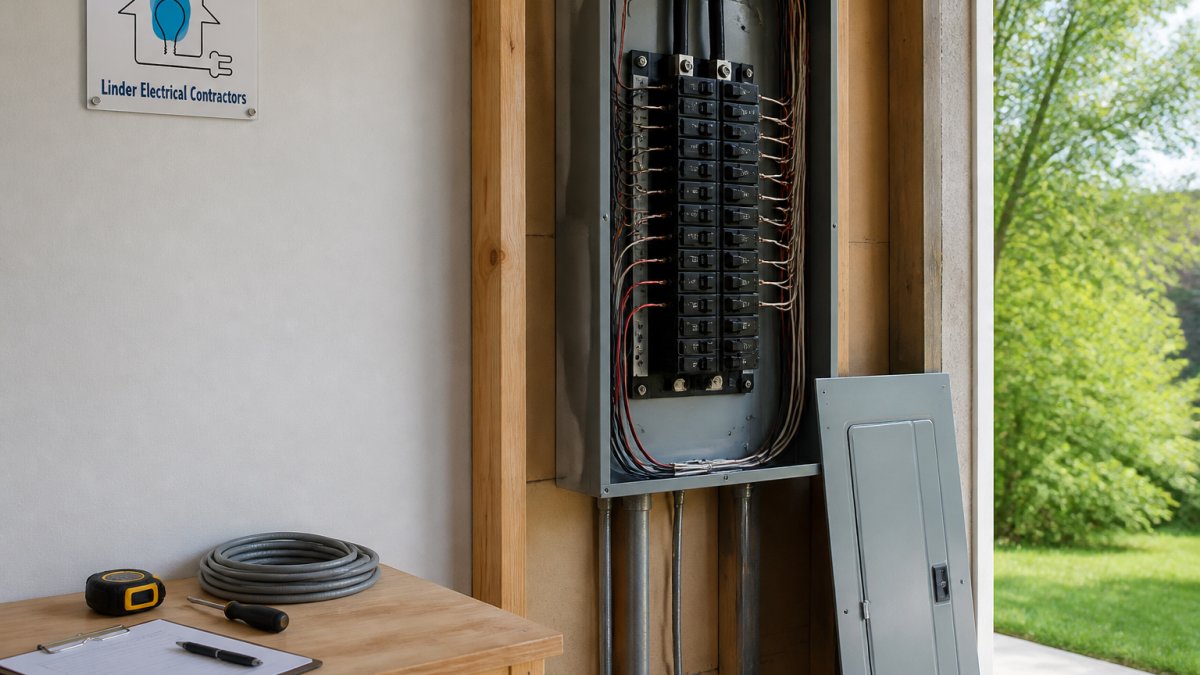
The fastest way to check is to open the panel door and read the number on the main breaker at the top. A breaker marked "100" means 100-amp service; "200" means 200-amp service. If the main breaker isn't labeled, the panel's data sticker inside the door lists the rating.
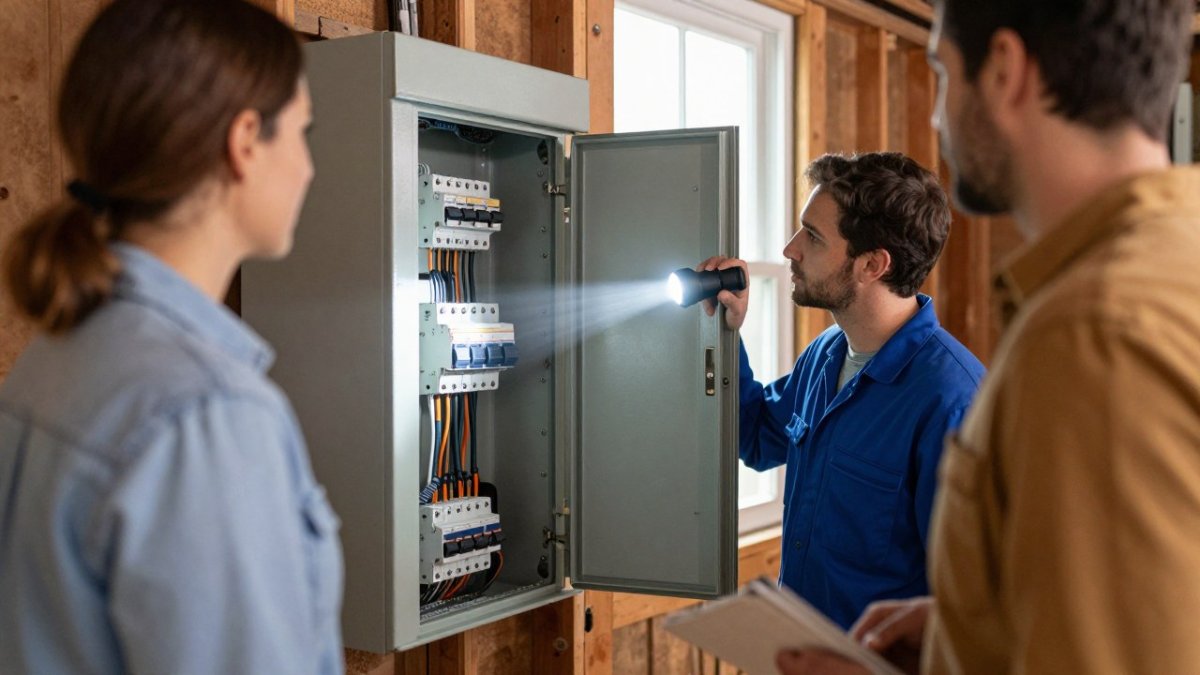
Three other clues help confirm it. The service entrance cable size matters: heavier conductors feed a 200-amp panel. The meter base outside may carry a rating stamp. And the number of breaker spaces tells you about circuit capacity, though not service capacity directly.
Watch out: never remove a panel cover yourself to inspect wiring. The main lugs stay energized even with the main breaker off, and that is a shock hazard.
Electrical Load Calculation for a Home
An electrical load calculation adds up every appliance and system in the home, applies demand factors for things that rarely run at once, and compares the total to your service capacity. Electricians follow a standard method for this, and the result tells you whether your panel has available capacity or is already close to its limit.
The calculation isn't about adding every nameplate rating together. A house with a 40-amp electric range, a 30-amp dryer, and a 35-amp air conditioner doesn't draw 105 amps the moment you turn them on.
Electricians commonly use a method based on the National Electrical Code (NEC) Article 220, which provides demand factors for different load types. The general lighting and receptacle load is calculated per square foot of living area, with a portion of that load subject to a demand factor.
A Worked Load Calculation Example
Take a 1,800-square-foot home with 100-amp service. Using the standard method, the general lighting and receptacle load comes to 1,800 square feet × 3 volt-amperes per square foot = 5,400 volt-amperes.
Now add the appliance loads. Appliance loads such as ranges, dryers, and water heaters are each reduced by their applicable demand factors, while air conditioning loads are generally counted at their full running load.
A load calculation adds these demand-adjusted loads together and divides by the system voltage to compare the result against the panel's rating.
We can run this calculation for your specific home during a residential electrical safety inspection.
Watch out: the NEC calculation method is a minimum standard, and local amendments or utility requirements may differ. A licensed electrician will apply the correct version of the code and account for any local amendments that affect the result.
Appliance Loads That Strain a Panel
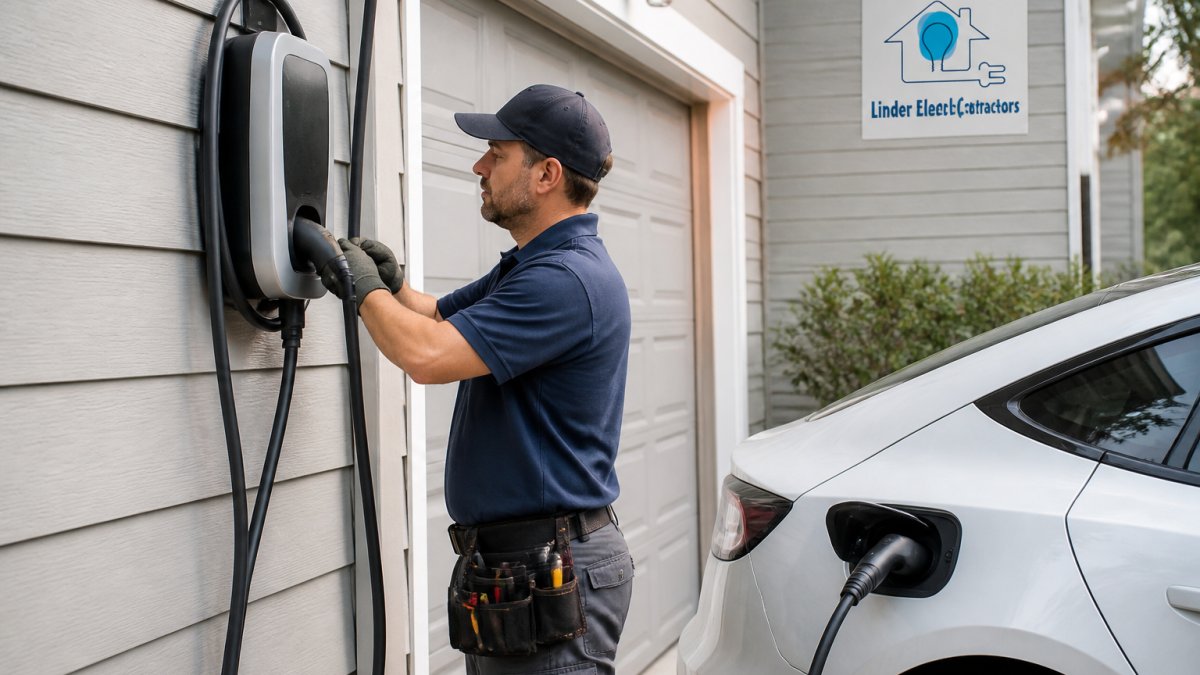
The appliances that push a panel hardest are the ones that run long and draw steady current. An EV charger is the biggest single addition most homes make today, often drawing 32 to 48 amps continuously for hours. A central air conditioner or heat pump pulls heavily in summer and winter. Electric ranges, dryers, and tankless water heaters all compete for the same capacity.
What most guides miss is the simultaneous load problem. Individually, each appliance fits. Together, on a winter evening with the heat pump running, the dryer going, and the EV charging, a 100-amp panel trips its main breaker. Continuous loads also carry a capacity limit under the NEC, which reduces the usable headroom on a circuit.
Signs an Electrical Panel Needs an Upgrade
Breakers that trip repeatedly, lights that flicker when appliances kick on, a panel that feels warm to the touch, and a burning smell near the panel all point to an overloaded panel or failing equipment. Flickering lights across the whole house, not just one room, usually signal a service capacity problem rather than a loose bulb.
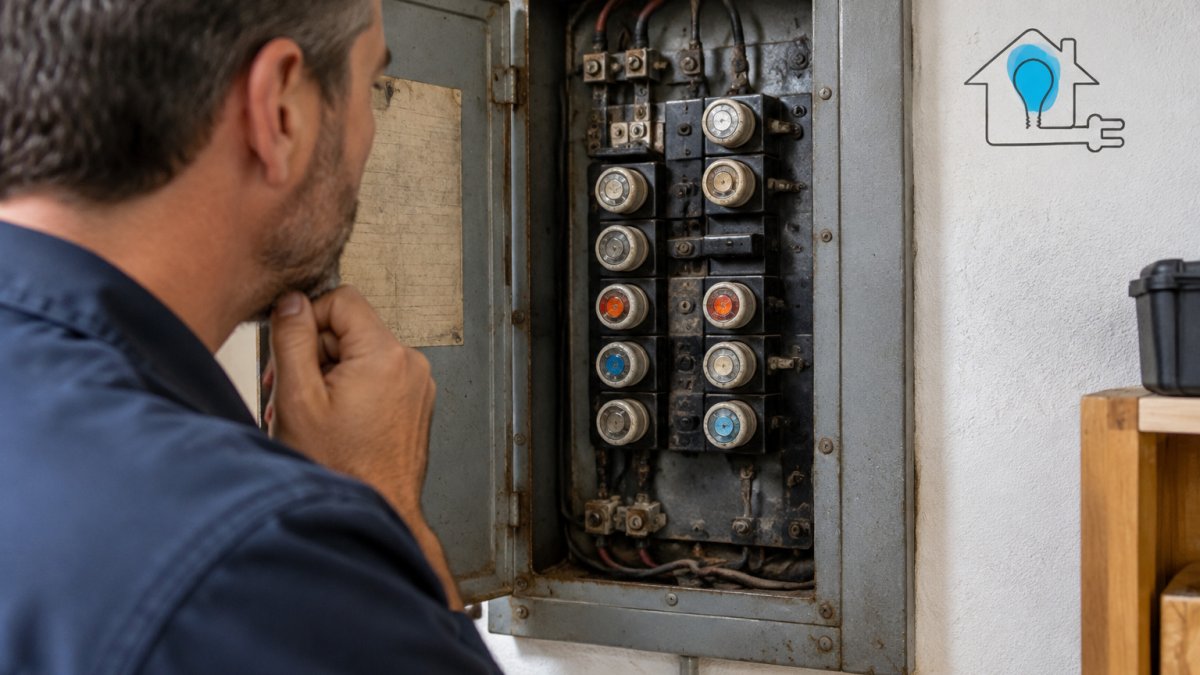
Other warning signs include a fuse box instead of breakers, rust or scorch marks inside the panel, double-tapped breakers, and a panel brand with known failure issues. If you're seeing any of these, our guide to the signs you need an electrical panel upgrade covers the full checklist. Electrical safety isn't a wait-and-see item; a warm panel or burning smell warrants a call the same day.
Electrification, EV Chargers, and Planning for the Future
Electrification is the shift from gas appliances to electric ones, and it changes the panel math for every homeowner who makes the switch. Swap a gas range for electric, a gas furnace for a heat pump, and a gas water heater for electric, and you've added serious load to a panel that was sized for gas. Add an EV charger and the total climbs again.
If you're planning an EV charger, our guide on whether your panel can support an EV charger explains what we check before recommending a service upgrade. Planning ahead matters: a 200-amp panel installed now usually covers a heat pump, an EV, and an electric range without a second upgrade later. Sizing for today's appliances only is how homeowners end up doing this job twice.
Alternatives to a Full Service Upgrade
A full service upgrade isn't always the answer. Sometimes a load management device solves the problem by pausing the EV charger when the dryer or AC runs.
Load management systems are the most common alternative to a service upgrade.
Smart panels are another option. These are panelboards with built-in monitoring and control capabilities that let you see real-time energy use and remotely manage circuits.
Managed EV charging is a specific application of load management.
Appliance scheduling is a low-tech alternative. Running the dryer, dishwasher, and EV charger at different times can keep the total load below the panel's limit without any new equipment.
Each path has trade-offs. A panel replacement alone is cheaper than a full upgrade, and our electrical panel replacement cost guide shows what that scope involves.
Watch out: load management devices must be listed and installed according to the manufacturer's instructions and local code.
Scheduling a Load Assessment with Linder Electrical Contractors
A load assessment is the only way to know your electrical panel capacity for modern appliances with confidence. We inspect the panel, read the service rating, run the load calculation, and tell you plainly whether your current setup handles what you're planning or needs an upgrade.
Linder Electrical Contractors is licensed and insured, offers free written estimates, and handles permits and inspections so you don't have to chase them down. We provide 24/7 emergency service and full residential and commercial support in Blue Bell and Montgomery County.
If your breakers are tripping or you're planning an EV charger, don't guess at your panel's limits. Linder Electrical Contractors provides free written estimates, licensed and insured work, and full permit and inspection handling from start to finish. Get started with Linder Electrical Contractors and know exactly what your panel can handle.
Frequently Asked Questions
How do I know if my electrical panel can handle a new appliance?
Start with the appliance nameplate rating and your panel's main breaker size. A central air conditioner or electric range can draw 30 to 50 amps on its own, so the question is whether your available capacity covers it after existing demand load. A licensed electrician performs a load calculation using the National Electrical Code method to confirm. If the result pushes the panel close to its rating, a dedicated circuit may still work, but a service upgrade may become the safer path.
How can I tell whether I have 100-amp or 200-amp service?
Open the panel door and read the main breaker: it is stamped with 100, 150, or 200 amps. The panel label inside the door lists the rated capacity, and the service entrance cable size offers another clue, since 100-amp service typically uses smaller conductors than 200-amp. If the labels are faded or the panel is a fuse box, call an electrician. Never remove the deadfront cover yourself, because the bus bars behind it remain energized.
How many appliances can a 100-amp panel support?
A 100-amp panel has a limited total capacity, and continuous-load limits reduce the practical draw further. That covers a gas furnace, gas range, refrigerator, lighting, and a few small appliances comfortably. Adding an electric range, electric dryer, central air conditioner, and EV charger together will usually exceed the limit. Simultaneous use matters most: a 100-amp panel can trip when the dryer, oven, and AC run at once.
Does adding a major appliance always mean I need a panel upgrade?
No. Plenty of additions fit within available capacity, especially on 200-amp service. The deciding factors are your calculated demand load, the number of open breaker spaces, and whether the new appliance runs continuously. A load calculation tells you whether a dedicated circuit is enough. Sometimes demand management, such as a smart splitter for an EV charger, avoids an upgrade entirely. Get the calculation done before committing to either path.
What is the difference between panel capacity and available circuit spaces?
Panel capacity is the total amperage the service can deliver, such as 100 or 200 amps. Circuit spaces are the physical slots for breakers, and a panel can run out of spaces before it runs out of capacity. A 200-amp panel with 40 spaces may have plenty of power left but no room for a new breaker. Tandem breakers can add circuits in some panels, but only where the panel is listed for them and the load calculation supports it.
When should an electrician perform a load calculation?
Before any major addition: EV charger, heat pump, electric range, hot tub, or finished basement. Also get one if you notice flickering lights, warm panel covers, or breakers that trip repeatedly, since those point to an overloaded panel. A calculation takes the guesswork out of upgrade decisions and gives you documentation for permits.