 listicle
Common Electrical Hazards in Older Houses
Table of Contents
- Why Older Homes Present Unique Electrical Risks
- Outdated Wiring Warning Signs You Should Never Ignore
- Knob-and-Tube Wiring Safety Concerns
- Aluminum Wiring Hazards in Older Homes
- Overloaded Circuits and Insufficient Outlet Capacity
- Electrical Panel Upgrade Signs and Aging Fuse Boxes
- What You Can Inspect Yourself vs. When to Call a Professional
- Planning Your Electrical Safety Upgrade
- Frequently Asked Questions
Last Updated: October 14, 2026
Why Older Homes Present Unique Electrical Risks
Homes built before the 1970s were designed for a fraction of today's electrical demand. Back then, a household might have had a few lamps, a refrigerator, and a radio. Now you're plugging in smartphones, air conditioning units, electric vehicle chargers, and dozens of appliances simultaneously. The electrical systems in these older structures simply weren't engineered for this load.
Common electrical hazards in older houses stem from aging infrastructure that has deteriorated over decades. Wiring insulation breaks down. Components corrode. Safety standards have evolved dramatically, and what was considered acceptable in 1950 would fail modern code inspections today. The longer a system goes without updates, the greater the risk of fire, shock, and equipment failure.
The real danger isn't always visible. You might not see a problem until something fails catastrophically. That's why understanding what to look for matters. Many homeowners discover serious issues only when they're planning renovations or selling their property. By then, the cost to remediate can be substantial.
Outdated Wiring Warning Signs You Should Never Ignore
Outdated wiring in older homes often means cloth-wrapped conductors, deteriorated insulation, or wiring that's simply undersized for current needs. The signs appear gradually, and homeowners frequently dismiss them as minor inconveniences rather than safety warnings.
Flickering lights are one of the most common indicators. When lights dim or flicker consistently, especially when you turn on another appliance, your circuit is telling you it's overloaded. This isn't just annoying, it means the wiring is working harder than it should, generating heat, and wearing out faster.
Warm or discolored outlets and switch plates indicate serious trouble. If you touch an outlet and it feels warm, or if the plastic around it is discolored or melted, stop using it immediately. This heat means current is flowing through connections that aren't tight enough, creating resistance and fire risk.
Burning smells near outlets or electrical panels are emergency signals. That smell is insulation burning away. Call a professional right away. A burning odor means an arc is occurring inside the wall, exactly the scenario that starts house fires.
Frequently blown fuses or tripped circuit breakers point to circuits that can't handle the load you're putting on them. If this happens regularly, your home's electrical system is warning you that it's overwhelmed.
Knob-and-Tube Wiring Safety Concerns
Knob-and-tube wiring is one of the oldest electrical systems still found in homes, typically installed before 1950. It consists of individual copper wires (usually two per circuit) run through ceramic knobs and tubes for support and insulation. At the time, it was state-of-the-art. Today, it's a significant liability.
This wiring type has several critical vulnerabilities. The insulation was designed to last about 50 years. If your home still has original knob-and-tube wiring, it's well past its intended lifespan. The rubber and cloth insulation has hardened and cracked, leaving bare copper exposed. Moisture, rodents, and dust accelerate deterioration.
Knob-and-tube systems lack a ground wire, which means there's no safe path for electrical faults. Modern wiring includes a third conductor (ground) that safely directs dangerous current away from people and property. Without it, a fault becomes a shock hazard or fire starter.
The system also can't handle modern electrical loads. A typical knob-and-tube circuit might be rated for 15 amps, but today's homes regularly need 20 or 30 amps per circuit. Overloading these old systems causes overheating and insulation failure.
If you suspect your home has knob-and-tube wiring, have a licensed electrician inspect it. You'll likely see it in attics or crawl spaces, individual wires running through ceramic supports. This is a strong candidate for complete rewiring.
Aluminum Wiring Hazards in Older Homes
Aluminum wiring was used in many homes built during the 1960s and 1970s, particularly in branch circuits (the wiring that connects outlets and switches to the main panel).
It wasn't. Aluminum wiring creates several hazards that copper doesn't. Aluminum oxidizes when exposed to air, forming a corrosive oxide layer at connection points. This oxide is a poor conductor, so resistance builds up at outlets and switches, causing heat.
Aluminum also expands and contracts more than copper in response to temperature changes. This movement loosens connections over time, increasing resistance further and compounding the heat problem. A connection that was tight when installed can become dangerously loose after years of thermal cycling.
The third issue is incompatibility. When aluminum wire connects to copper components (which is common in outlets and switches), a galvanic reaction occurs. This reaction accelerates corrosion and increases fire risk even more.
Signs of aluminum wiring problems include warm outlets, discolored switch plates, and flickering lights. If you know your home has aluminum wiring and you see these symptoms, have a professional inspect those circuits immediately.
The safest solution is replacement with copper wiring, but that's a major undertaking. Some electricians use special anti-oxidant compounds and connectors designed for aluminum, which can reduce risk. Your electrician can assess whether repair or replacement is necessary for your specific situation.
Overloaded Circuits and Insufficient Outlet Capacity
Modern homes demand far more electrical capacity than older homes were built to provide. Overloaded circuits are one of the most common electrical hazards in older houses, and they're often the result of trying to power 21st-century devices with 1950s infrastructure.
A circuit is overloaded when the total amperage of devices running on it exceeds its rating. A standard 15-amp circuit might have five outlets, but if you plug in a microwave, toaster, coffee maker, and phone charger all at once, you've exceeded the circuit's capacity. The breaker should trip, but if it doesn't trip immediately, heat builds up in the wiring.
Insufficient outlet capacity drives this problem. Older homes have far fewer outlets than modern homes. To compensate, people use extension cords and power strips, which are temporary solutions, not permanent ones. Daisy-chaining power strips creates dangerous conditions. Each connection point is a potential source of resistance and heat.
The real fix is adding circuits and outlets. This means running new wire from the panel to new outlet locations, which requires wall access and careful planning. It's not a weekend project, but it's essential in homes with inadequate capacity.
If you're constantly using extension cords, or if your breaker trips when you use multiple appliances, your home needs more circuits. This is one of the most common upgrades we recommend for older homes.
Electrical Panel Upgrade Signs and Aging Fuse Boxes
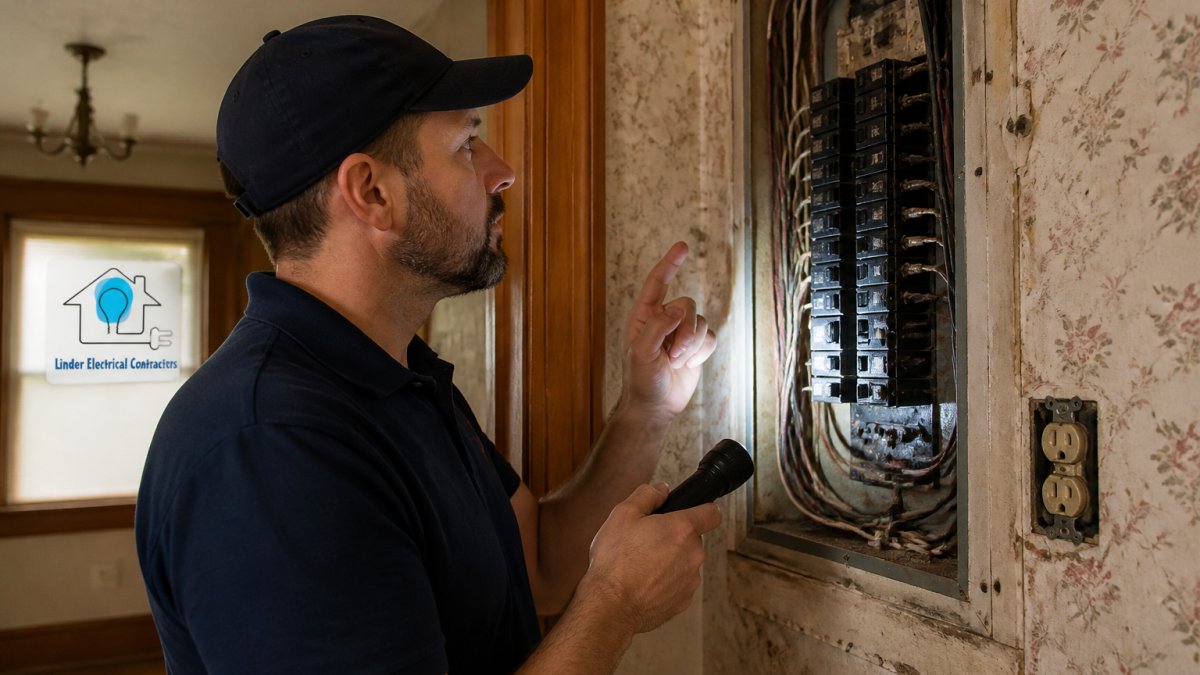
The electrical panel is the heart of your home's system. It receives power from the utility and distributes it through circuits to outlets and appliances. In older homes, panels are often undersized, and the components inside have aged.
Fuse boxes were the standard before circuit breakers became common. Fuses are one-time devices, when they blow, you replace them. They don't provide the same protection as modern breakers. If you still have a fuse box, you're working with technology from the 1960s or earlier.
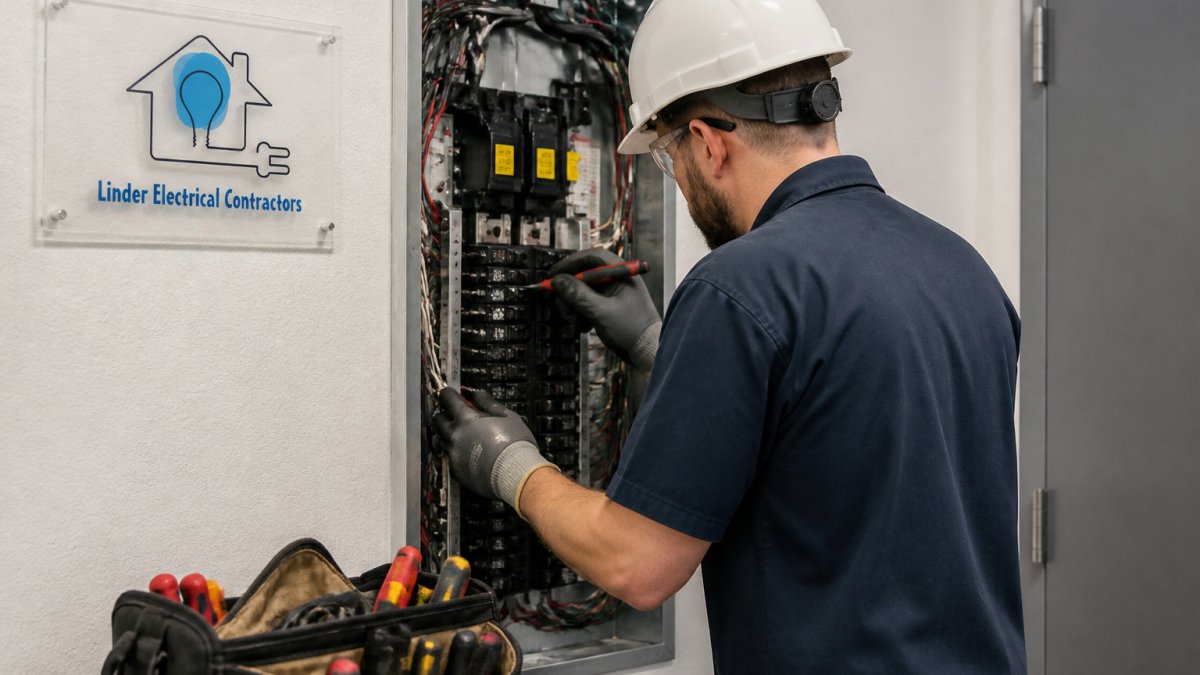
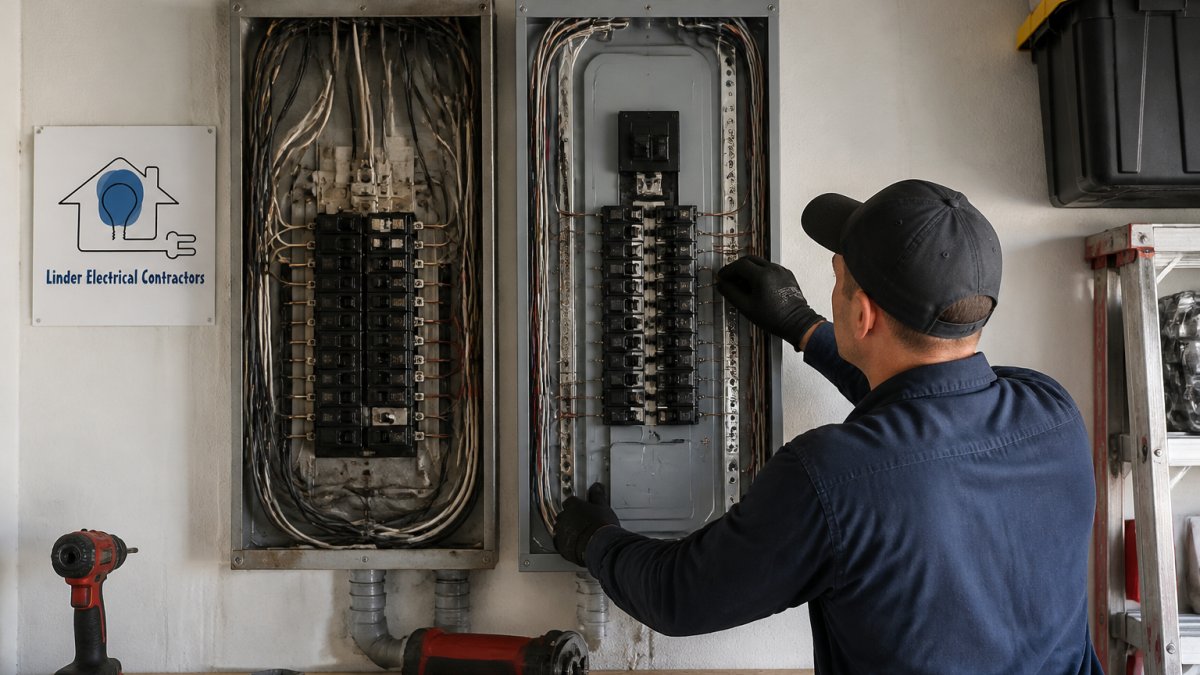
Signs your panel needs upgrading include frequent breaker trips, a panel that's hot to the touch, burning smells near the panel, or visible corrosion on the components inside. A panel that's more than 40 years old is a candidate for replacement simply due to age.
Many older homes have 100-amp service, which was adequate in 1970 but is undersized today. Modern homes typically have 200-amp service. If you're planning major upgrades like an electric vehicle charger, heat pump, or significant appliance additions, your panel probably can't handle it without an upgrade.
A panel upgrade is a significant project that requires permits and inspection, but it's one of the most important investments you can make in an older home. It increases safety, improves capacity, and often improves resale value.
What You Can Inspect Yourself vs. When to Call a Professional
You can safely perform basic visual inspections without special training. Look for obvious signs of damage, discoloration, or corrosion on outlets, switches, and visible wiring. Check for warm outlets, burning smells, or flickering lights.
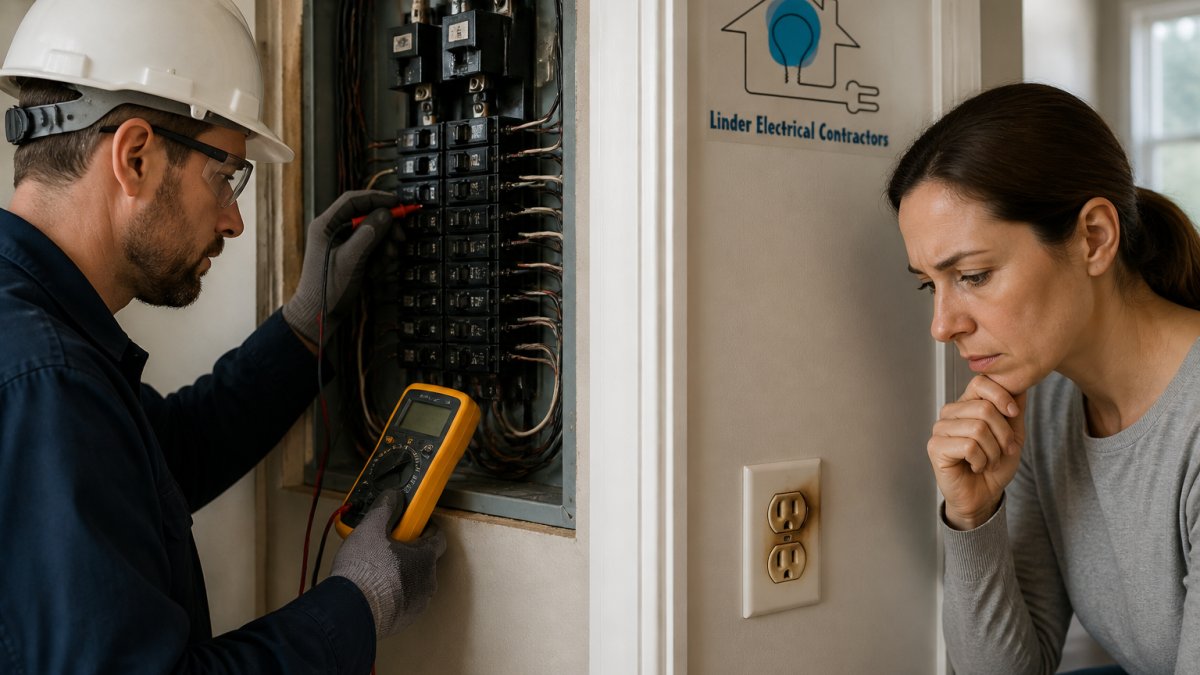
You should NOT attempt to open your electrical panel, test circuits with a multimeter, remove outlet covers to inspect internal wiring, or diagnose problems inside walls. These tasks require training, specialized tools, and licensing. Mistakes can cause serious injury or fire.
A licensed electrician has the training, tools, and insurance to safely diagnose electrical problems. They understand code requirements and know how to identify hazards that aren't immediately visible.
When you call for an inspection, describe the symptoms you've noticed. Flickering lights, warm outlets, burning smells, frequent breaker trips, and age of the home are all relevant details. A professional can then do a thorough assessment and recommend solutions.
The cost of an inspection is far less than the cost of fire damage or injury. Many electricians offer free estimates for major projects, which gives you a clear picture of what's needed before you commit.
Planning Your Electrical Safety Upgrade
Upgrading electrical systems in older homes requires planning. You can't always tackle everything at once, so prioritization matters. Start with the most urgent safety issues: knob-and-tube wiring, aluminum wiring, burned outlets, or a failing panel.
Next, address capacity issues. If you need to add circuits for new appliances or outlets, that's your second priority.
Get written estimates from licensed electricians. The estimates should clearly describe the work, materials, timeline, and cost. Ask about permits, legitimate work requires them, and they exist to protect you.
Financing options vary. Some homeowners use home equity lines, others save and phase work over time. Some utility companies offer rebates for electrical efficiency upgrades.
Plan for disruption. Electrical work requires wall access and may involve turning off power to sections of your home. Scheduling work during convenient times and understanding the timeline helps you prepare.
The investment in upgrading electrical systems pays dividends in safety, functionality, and property value. Older homes with modern electrical systems are far more valuable than those with aging infrastructure.
Identifying common electrical hazards in older houses is the first step toward a safer home.
At Linder Electrical Contractors, we help homeowners in the area assess their electrical systems and plan upgrades that fit their budgets and timelines.
Frequently Asked Questions
What are the most dangerous electrical hazards in older houses?
The most dangerous electrical hazards in older homes include knob-and-tube wiring, aluminum wiring, outdated panels that cannot handle modern electrical loads, overloaded circuits, ungrounded two-prong outlets, and exposed or damaged wiring. These create risks of electrical shock, fire, and equipment damage. Flickering lights, frequently tripped breakers, warm outlets, and burning smells are warning signs that require immediate professional inspection.
How can I tell if my older house has unsafe wiring?
Signs of unsafe wiring include frequent circuit breaker trips, flickering or dimming lights, warm or discolored outlets, a burning smell near outlets or panels, and visible damage to wires or insulation. Knob-and-tube wiring appears as cloth-wrapped conductors in attics or crawl spaces. Aluminum wiring connections may show corrosion or discoloration. If your home was built before 1960, have a licensed electrician perform a full inspection to assess the entire electrical system.
When should electrical wiring in an older house be replaced?
Wiring should be replaced if it shows signs of deterioration, damage, or inadequate capacity for your household needs. Knob-and-tube wiring and aluminum wiring should be evaluated immediately by a professional, these are outdated hazards. If your electrical panel is over 40 years old, cannot support modern appliances or EV chargers, or shows signs of corrosion or damage, panel replacement is often necessary. A licensed electrician can prioritize upgrades based on safety risk and your home's electrical demands.
Are two-prong outlets dangerous in an older home?
Two-prong outlets lack grounding, which increases the risk of electrical shock if a fault occurs. Modern electrical codes require grounded three-prong outlets and GFCI (ground fault circuit interrupter) protection in bathrooms, kitchens, and other moisture-prone areas. While older homes with two-prong outlets may function, they do not meet current safety standards. Upgrading to grounded outlets and adding GFCI protection reduces shock hazard and aligns your home with code requirements.