 How-to
How to Diagnose a Buzzing Electrical Panel in 2026
Last Updated: November 3, 2026
Quick Summary
A buzzing electrical panel usually means a loose wire connection, an overloaded circuit, or a failing breaker. Each of these can overheat parts of the system, so treat the sound as a warning and have it checked early.
- A faint hum can be normal, but a loud, constant buzz needs attention.
- Loose terminal screws are the most common reason a panel buzzes.
- Unplug devices on the suspected circuit to see whether the buzzing stops.
- A burning smell, scorch marks, or smoke means call for emergency service now.
- Never open the panel cover or tighten breaker screws yourself; live wiring can cause fire or injury.
Table of Contents
- What a Buzzing Electrical Panel Usually Means
- Common Causes of Buzzing in a Breaker Box
- Signs of a Failing Circuit Breaker to Check For
- Safe Troubleshooting Steps You Can Take Right Now
- When a Buzzing Panel Is an Emergency
- What Repairs and Panel Work Typically Involve
- Booking a Panel Inspection With Linder Electrical Contractors
- Frequently Asked Questions
What a Buzzing Electrical Panel Usually Means
Why does my panel make buzzing sounds? A faint hum from your breaker box is often caused by loose connections or a circuit working harder than it should, and a buzzing electrical panel is worth checking early.
Some hum is normal. Learn the signs that your panel may need an upgrade. A healthy panel can make a quiet sound when a heavy load, such as an air conditioner, starts up.
The short answer: A buzzing panel usually points to a loose wire connection, an overloaded circuit, or a breaker that is failing.
National Fire Protection Association guidance on electrical panel hazards
Common Causes of Buzzing in a Breaker Box
Most buzzing comes from a small set of causes. Knowing them helps you explain the problem clearly when you call an electrician.
- Loose terminal screws on breakers or neutral bars
- Circuits carrying more current than they were designed for
- Worn or failing circuit breakers
- Corroded connections, often in older homes
Loose Connections and Terminal Screws
Loose connections are the most common reason a panel buzzes. Vibration and years of heating and cooling can loosen the screws that hold wires in place.
A loose connection creates resistance. Resistance creates heat and a crackling or buzzing sound. Over time, that heat can damage the wire insulation and the breaker itself.
Overloaded or Overheating Circuits
A circuit that runs too many appliances will hum and warm up. Space heaters, window air conditioners, and kitchen appliances on one circuit are common culprits.
Unplug or switch off devices on the affected circuit and see whether the buzzing stops. If it does, the circuit may be overloaded.
The table below sums up the most common causes of a buzzing breaker box and how each one is usually fixed.
| Cause | Sign | Fix |
|---|---|---|
| Loose terminal screws | Crackling or buzzing from the panel | Tighten connections |
| Overloaded circuit | Hum when many devices run | Unplug devices or split the circuit |
| Failing breaker | Warm breaker or frequent tripping | Replace the breaker |
| Corroded connections | Buzzing in older homes | Clean or replace connections |
Signs of a Failing Circuit Breaker to Check For
A breaker that buzzes, feels warm, or will not stay on may be failing. Look for these signs:
- A buzz or crackle coming from one specific breaker
- A breaker that feels warm or hot when you touch the housing
- Breakers that trip often for no clear reason
- Discoloration, scorch marks, or a burnt smell near the panel
If you see any of these, do not reset the breaker repeatedly. Repeated tripping is the breaker telling you something is wrong.
The right repair depends on what is actually causing the problem. Learn more about replacing a panel.
Safe Troubleshooting Steps You Can Take Right Now
Start with safe, simple checks. Do not open the panel cover or touch wiring inside.
- Listen from a safe distance. Note whether the sound is steady, crackling, or only happens with certain loads.
- Turn off nonessential devices on the circuits you suspect.
- Check for heat, odor, or scorch marks from outside the panel.
- Look at lights and outlets for flickering or dimming.
- Write down what you noticed and when it happens.
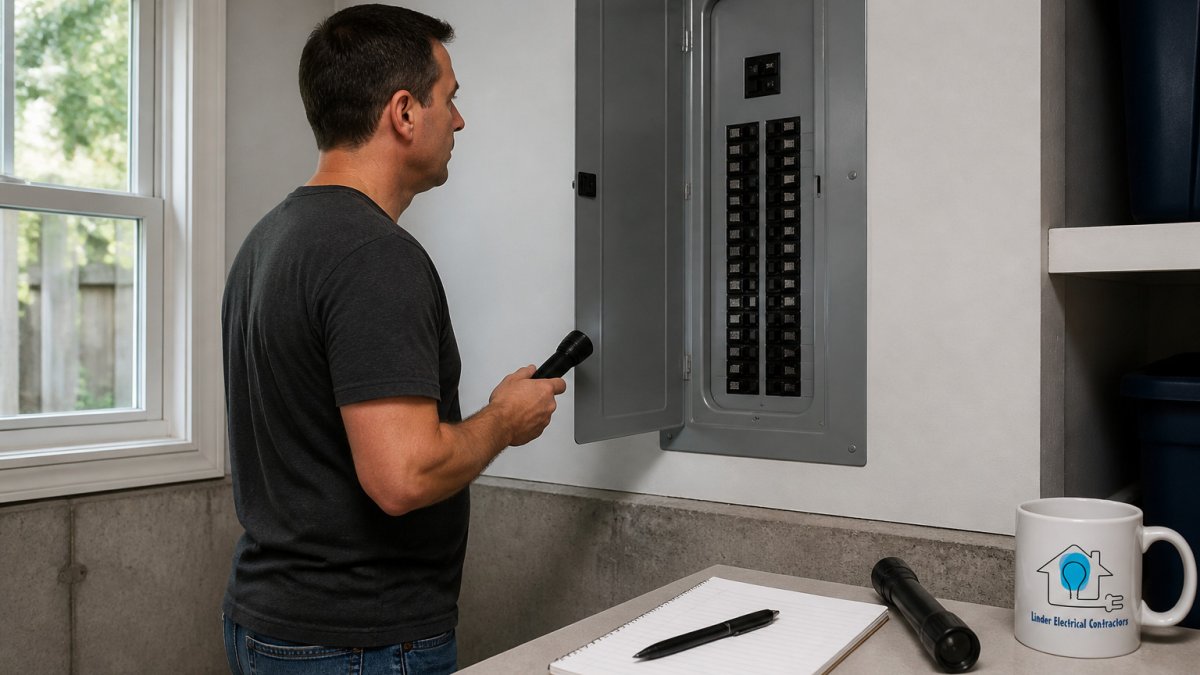
Watch out: Never remove the panel cover or try to tighten breaker screws yourself. Live wiring can cause severe injury or fire.
If you also have dead outlets in older walls, mention that to your electrician, since the cause may be connected.
When a Buzzing Panel Is an Emergency
Not every buzz is a same-day call, but some are. The difference comes down to what the sound is telling you about heat, arcing, or a failing connection inside the panel. Use the triage below to decide whether you are planning a service call or reacting to a hazard.
Call for emergency service now
Treat any of the following as an active hazard and call for emergency electrical service immediately:
- A burning smell, acrid odor, or visible smoke from the panel
- Scorch marks, melted plastic, or discolored breaker faces
- Sparking, popping, or a sharp crack from inside the enclosure
- A panel cover that is hot to the touch
- Lights dimming or brightening across the whole house when appliances cycle
- A buzz that started suddenly and is getting louder
These signs point to arcing or a connection that is overheating. Arcing is the mechanism behind many residential electrical fires: current jumps across a gap, reaches temperatures high enough to ignite insulation or nearby material, and can do so inside a closed panel where you cannot see it.
If you see smoke, sparks, or flames, do not open the panel. Turn off the main breaker only if the panel is not hot, sparking, or smoking and you can reach the main safely. Then leave the area and call 911 if there is fire or smoke.
Schedule a same-week inspection
These conditions are not necessarily an emergency, but they should not wait for a routine appointment:
- A steady buzz that is louder than the normal hum and does not stop
- A breaker that trips repeatedly after being reset
- A warm (not hot) panel cover or a warm breaker face
- A crackling sound that comes and goes with heavy loads
- A faint burnt smell that appears only under load
A common pattern is a loose neutral or line connection that heats up as current rises. It may be quiet at low load and loud when the air conditioner, dryer, or range kicks on. That intermittency is exactly why it gets ignored, and why it should be inspected before it becomes a fire hazard.
Monitor and document
A quiet hum that appears only when a large motor starts, with no heat, odor, or flicker, is usually normal magnetic hum from the transformer or breaker coils. Note when it happens, what was running, and whether anything changed.
Watch out: Never reset a breaker that has tripped repeatedly without finding out why.
If you are unsure which category your situation falls into, describe the sound, the timing, and any heat or odor to a licensed electrician by phone.
What Repairs and Panel Work Typically Involve
A buzzing panel can be fixed at several different depths, and the quote you get should tell you which one you are paying for. The more useful question is what each level of repair actually includes, so you can compare bids and spot a scope that is too thin to solve the problem.
Level 1: Connection and breaker service
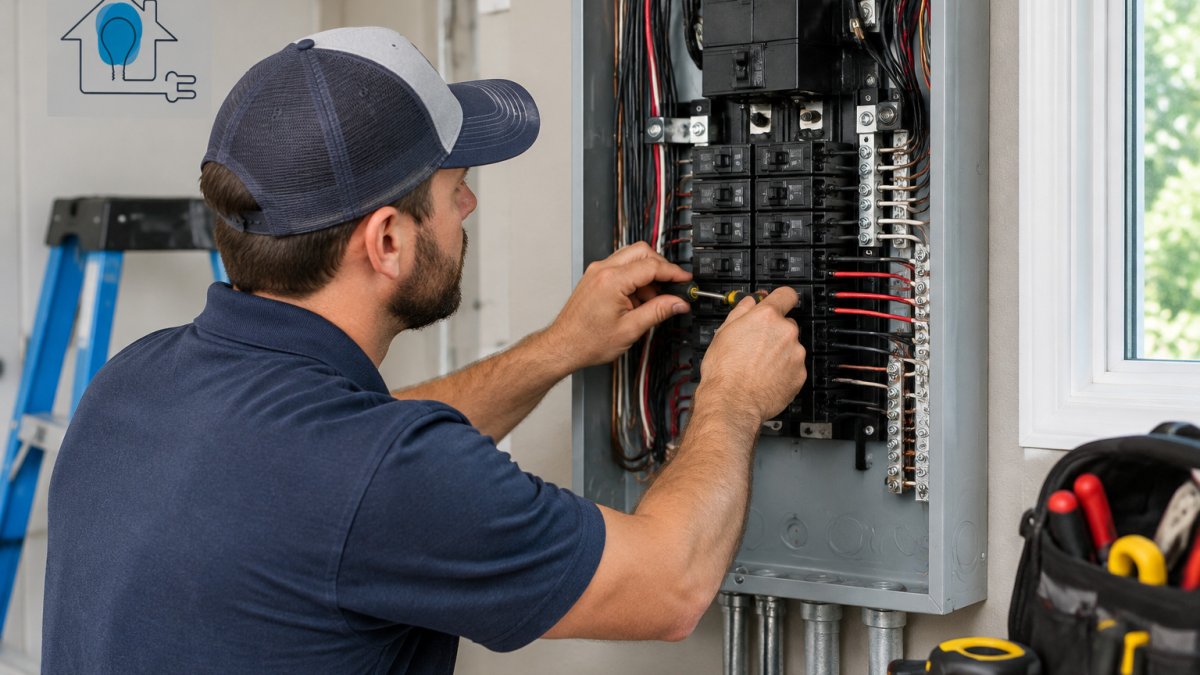
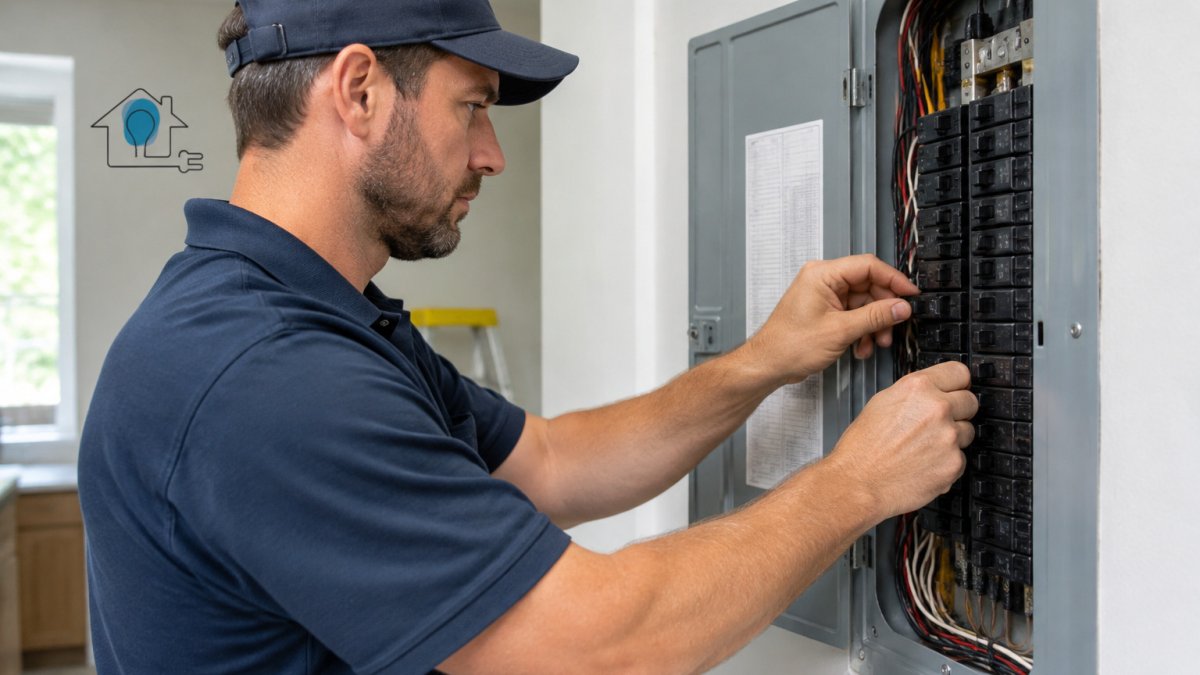
This is the most common fix for a buzz. The electrician opens the panel, inspects terminals on the main lugs, neutral and ground bars, and the affected breakers, and re-torques any connection that has loosened. Worn breakers are replaced. If the buzz came from a single circuit, the electrician may also trace that circuit to outlets and fixtures to find a backstabbed outlet or a loose wire nut behind a device.
What a complete Level 1 quote should list:
- Which circuits and breakers were inspected and which were re-terminated
- Whether any breakers were replaced and their type and rating
- Whether devices on the affected circuit (outlets, switches) were opened and checked
- Whether the panel cover was removed and the interior inspected, not just listened to
- Cleanup and whether the panel cover is reinstalled and labeled
Level 2: Load redistribution and circuit additions
If the buzz traces to an overloaded circuit, tightening alone will not fix it. The electrician may move loads to underused circuits, add a dedicated circuit for a heavy appliance such as a space heater, window air conditioner, or kitchen range, or split a circuit that serves too many rooms. This work often involves running new cable through walls and may require drywall or plaster repair, which is frequently excluded from electrical quotes.
Ask whether the quote includes:
- The new circuit run, breaker, and wire gauge
- Patching and painting of any openings, or a clear statement that drywall repair is excluded
- Permit and inspection fees, or a line stating who pulls the permit
Level 3: Panel replacement or upgrade
When the panel itself is the problem, a known problematic panel brand, a panel with no available breaker spaces, corrosion, or a service that is undersized for the home, replacement is the durable fix.
A room-by-room or circuit-by-circuit scope is the fastest way to compare two panel quotes. Ask each contractor to list, circuit by circuit, what will be transferred, what will be replaced, what will be added, and what is excluded. Two quotes with the same total can cover very different work.
What drives the price
The cost of panel work depends on the scope of the job. Factors that can affect it include:
- Amperage and panel size, a 200-amp service upgrade costs more than a like-for-like replacement
- Access, a panel in a finished basement or behind plaster is slower to work on than one in an open utility room
- Wiring condition, aluminum branch wiring, cloth insulation, or undersized conductors add labor
- Permit and inspection requirements, which vary by jurisdiction and are often priced separately
- Whether the meter base, service mast, or grounding electrode system also needs work
For current pricing, contact Linder Electrical Contractors for a free written estimate. Permits and inspections are often required for panel work, and a licensed contractor should handle them; confirm in writing who pulls the permit and who pays the fee.
Watch out: A quote that lists only 'inspect and repair panel' with a single lump sum is not comparable to a line-item quote. Ask for the circuit list and the exclusions before you sign, or you may pay for a repair that never reaches the actual cause of the buzz.
Booking a Panel Inspection With Linder Electrical Contractors
If your panel buzzes, a professional inspection is the safest next step. Linder Electrical Contractors is licensed and insured, offers free written estimates, and handles permits and inspections for you.
A visit usually begins with a full look at the panel, the breakers, and the circuits you suspect. You then receive a written estimate before any work begins. To start, request a free estimate from Linder Electrical Contractors.
Frequently Asked Questions
Is a buzzing sound in an electrical panel dangerous?
A faint hum can be normal, but a loud, growing, or crackling buzz is not. Buzzing often points to a loose connection, a breaker that is overheating, or a circuit carrying more load than it was designed for. Heat from a loose connection can scorch insulation and cause arcing, which is a fire hazard. If the buzzing is loud, changes over time, comes with a burning smell, discolored plastic, or warm panel surfaces, shut off power to the affected circuit if it is safe to do so and call a licensed electrician right away.
What causes a circuit breaker to make a humming noise?
Breakers hum when current flows through them under load, and the sound is usually mild. A louder or more persistent hum often comes from a breaker that is worn, loose in its bus stab, or carrying close to its rated amperage for long periods. Aging breakers can also hum when a fault is developing. Because a single breaker cannot be judged by sound alone, an electrician should test the connection, measure load, and check for heat before deciding whether it needs replacement.
Does a buzzing sound mean I need a panel upgrade?
Not always. Many buzzing problems are fixed by tightening terminal screws, replacing a single failing breaker, or redistributing loads across circuits. A full panel upgrade is more likely to be needed when the panel is an obsolete brand known for breaker failures, the service is undersized for the home's current load, or the panel shows widespread heat damage. Linder Electrical Contractors can inspect the panel and explain whether a repair or a larger upgrade fits your situation.