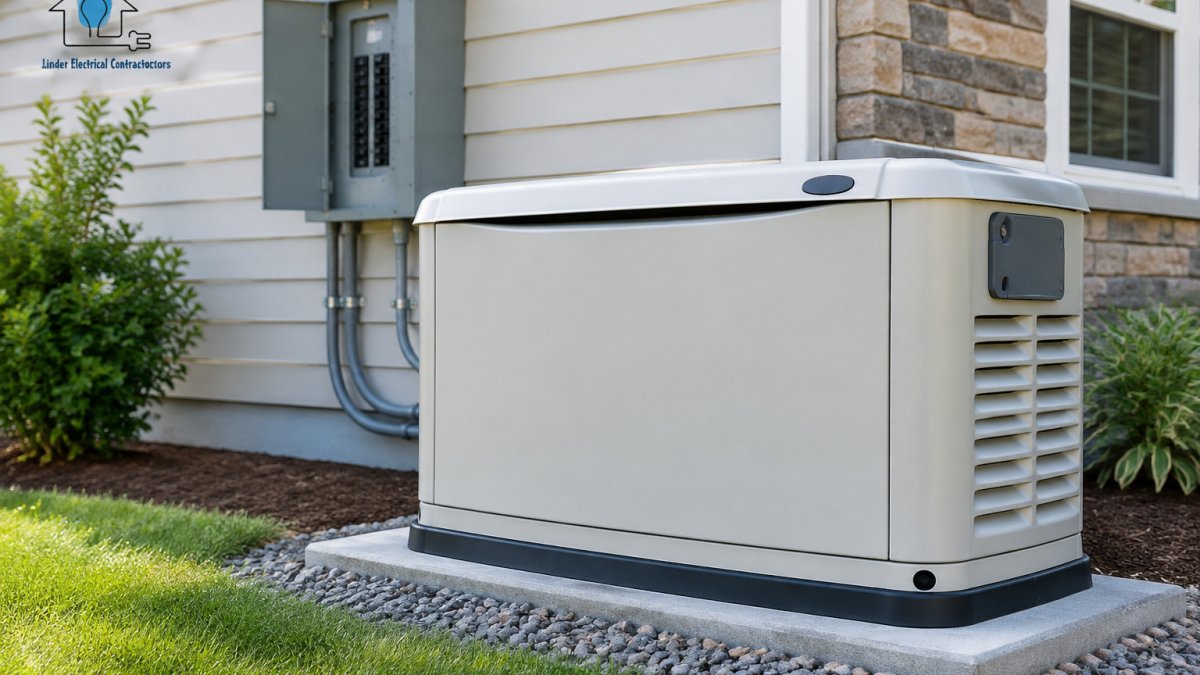
 Comparison
Best Generator for 100 Amp House: Sizing and Picks
Quick Summary
The best generator for 100 amp house service depends on the loads you want to back up, not the panel rating. Most 100-amp homes need about 3,000 to 5,000 running watts for essentials, while whole-home backup requires a much larger standby unit.
- A 100-amp rating is the maximum the panel can deliver, not what the home uses daily.
- Add running watts of all loads, then add the largest starting surge to set the minimum surge rating.
- Essentials-only backup typically needs roughly 3,000 to 5,000 running watts and 6,000 to 8,000 surge watts.
- Near-full-load backup with central AC and electric range can require a 20,000 to 26,000 watt standby unit.
- Many 100-amp homes need a load calculation before adding large backup loads or an EV charger.
Table of Contents
- What a 100 Amp Service Rating Really Means for Backup Power
- What Size Generator for 100 Amp Service You Actually Need
- Whole-House Versus Essential-Circuit Backup
- 100 Amp Portable Generator Options and Trade-Offs
- Standby Generators, Transfer Switches, and Wire Sizing for a 100 Amp Home
- 100 Amp Generator Sizing Chart by Backup Goal and Appliance
- Choosing Your Generator and Getting It Installed Safely
- Frequently Asked Questions
What a 100 Amp Service Rating Really Means for Backup Power
Last Updated: November 19, 2026
Choosing the best generator for 100 amp house service starts with understanding what that rating actually measures. A 100-amp service is the maximum current your electrical panel can deliver at one time. It is not the amount of power your home uses all the time.
Homeowners often assume a 100-amp panel means they must buy a generator sized for 100 amps. That assumption leads to oversized purchases that cost more to buy and run.
The service rating sets a ceiling on what the home can draw from the utility. A generator, by contrast, only needs to supply the circuits you choose to back up.
Plan the backup around the loads you actually need, not the panel rating printed on the breaker.
What Size Generator for 100 Amp Service You Actually Need
The right generator size depends on which loads you want to power during an outage, not on the 100-amp rating printed on the panel. The practical method is to build a load list, convert each appliance to running watts and starting watts, then compare the total against a generator's continuous rating and surge rating. A 100-amp home can generally fall into one of three backup goals, and each goal points to a different capacity band.
Step 1: Build a Load List With Realistic Numbers
List every appliance and circuit you want to run at the same time during an outage. Use the nameplate rating or the manufacturer's published data, and note both running watts and starting watts. The table below shows typical values for common household loads; your actual numbers will vary by model and age, so verify each one.
| Load | Typical running watts | Typical starting surge |
|---|---|---|
| Refrigerator (1/2 to 3/4 hp compressor) | 150 to 250 | 600 to 1,200 |
| Furnace blower (gas furnace) | 300 to 800 | 800 to 1,500 |
| Sump pump (1/3 to 1/2 hp) | 400 to 800 | 1,200 to 2,400 |
| Well pump (1/2 to 1 hp, 240 V) | 500 to 1,000 | 1,500 to 3,000 |
| LED lighting and outlets (whole home) | 300 to 800 | minimal |
| Microwave | 1,000 to 1,500 | 1,500 to 2,000 |
| Window air conditioner (10,000 BTU) | 900 to 1,200 | 2,000 to 3,000 |
| Central air conditioner (3-ton) | 3,000 to 4,000 | 9,000 to 12,000 |
| Electric water heater | 4,000 to 5,500 | 4,000 to 5,500 |
| Electric range (one burner plus oven) | 2,000 to 5,000 | 2,000 to 5,000 |
| Clothes dryer (electric) | 4,000 to 5,500 | 4,000 to 5,500 |
Typical running watts
Step 2: Add Running Watts, Then Add the Largest Surge
Add the running watts of every load you plan to run at the same time. Then find the single largest starting surge among those loads and add it to the running total of everything else. That combined figure is the minimum surge rating the generator must handle.
A worked example for an essentials-only plan: refrigerator at 200 running watts, furnace blower at 600, sump pump at 600, well pump at 800, and lights and outlets at 500 gives 2,700 running watts. The largest surge is the well pump at 2,400 watts, so the minimum surge rating is 2,700 plus 2,400, or 5,100 watts. A generator with about 3,000 to 3,500 running watts and 5,000 to 6,000 surge watts covers that plan.
Step 3: Match the Total to One of Three Backup Goals
- Essentials-only backup. Refrigerator, furnace blower, sump pump, well pump, lights, and a few outlets. Most homes in this band need roughly 3,000 to 5,000 running watts and 6,000 to 8,000 surge watts. This is the most common and most fuel-efficient choice for a 100-amp service.
- Managed whole-home backup. Adds a window air conditioner, microwave, and selected kitchen circuits while a load-management device sheds the largest loads when needed. This band generally runs about 7,000 to 10,000 running watts with 12,000 to 15,000 surge watts.
- Near-full-load backup. Adds central air, electric water heating, electric range, and dryer. Because those loads can total 15,000 to 20,000 running watts or more, this band usually requires a 20,000 to 26,000 watt standby unit and a service-rated transfer switch. Many 100-amp homes cannot support this band without a service upgrade, so an electrician must run a load calculation first.
Step 4: Convert Watts to Amps to Check Against the Panel
Generator output is rated in watts, while the service panel is rated in amps. Divide watts by voltage to get amps. At 240 volts, a 10,000-watt generator supplies about 41.7 amps, a 15,000-watt unit supplies about 62.5 amps, and a 24,000-watt unit supplies about 100 amps. Single-phase residential service is typically 120/240 volts, so the calculation depends on which legs and loads you connect. The generator's continuous rating, not its peak rating, is the number to use for this check.
Use a step-by-step sizing method to match capacity to your home's real loads.
Whole-House Versus Essential-Circuit Backup
Whole-house backup powers the entire panel, including electric heat, central air, the range, and the water heater. It requires a large standby generator and a service-size transfer switch. The cost is higher, but the home keeps normal life running through an outage.
Essential-circuit backup powers only chosen loads through a subpanel or a dedicated transfer arrangement. It is cheaper to buy and install, and it runs more efficiently because it uses less fuel. Most homeowners on a 100-amp service find essential-circuit backup covers their real needs.
100 Amp Portable Generator Options and Trade-Offs
A portable generator is often the lowest-cost route to backup power. It is moved by hand and connected with cords or a transfer device. Portable units cost less upfront and suit short outages, but they require manual refueling and setup. They also demand careful placement outdoors, away from windows and doors, because they produce carbon monoxide (the CDC).
Portable generators can work with a 100-amp home through a properly installed inlet and transfer switch. Connecting one directly to a panel without an approved transfer method is unsafe and can backfeed the utility line.
Standby Generators, Transfer Switches, and Wire Sizing for a 100 Amp Home
Standby generators start automatically when utility power fails. They use a automatic transfer switch to disconnect the home from the grid and connect it to the generator. The transfer switch must match the service capacity and the chosen circuits.
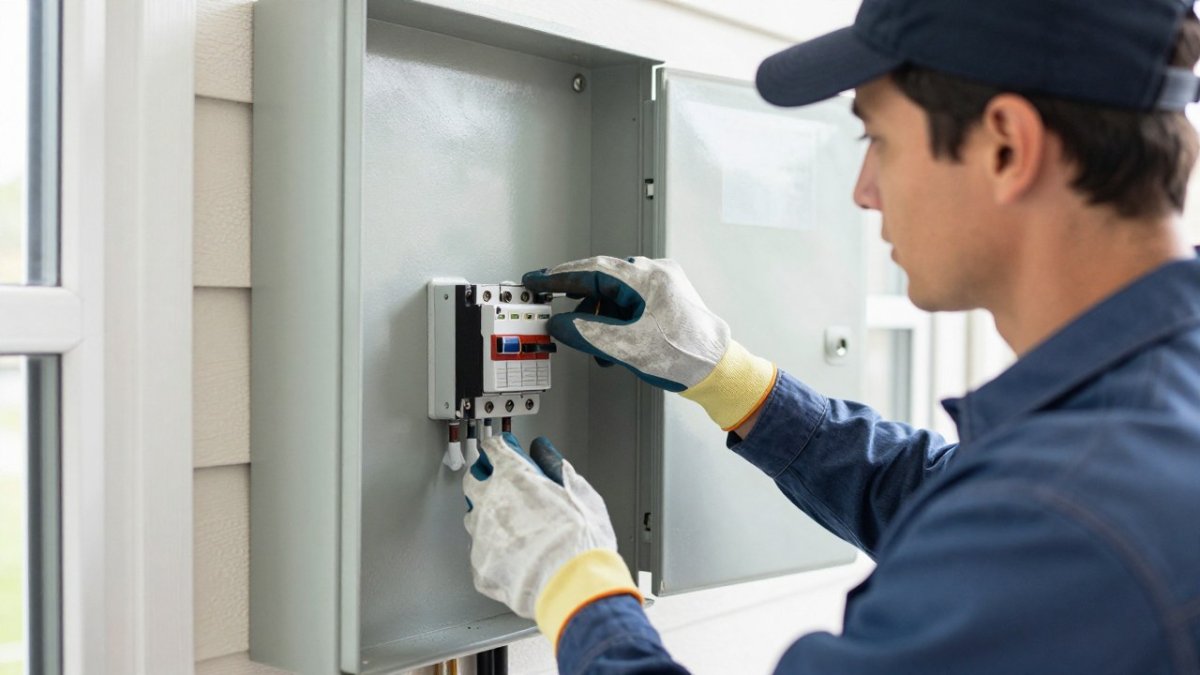
Electrical capacity is a real limit in older homes. Adding a large generator or an EV charger to a 100-amp panel requires a load calculation before work begins.
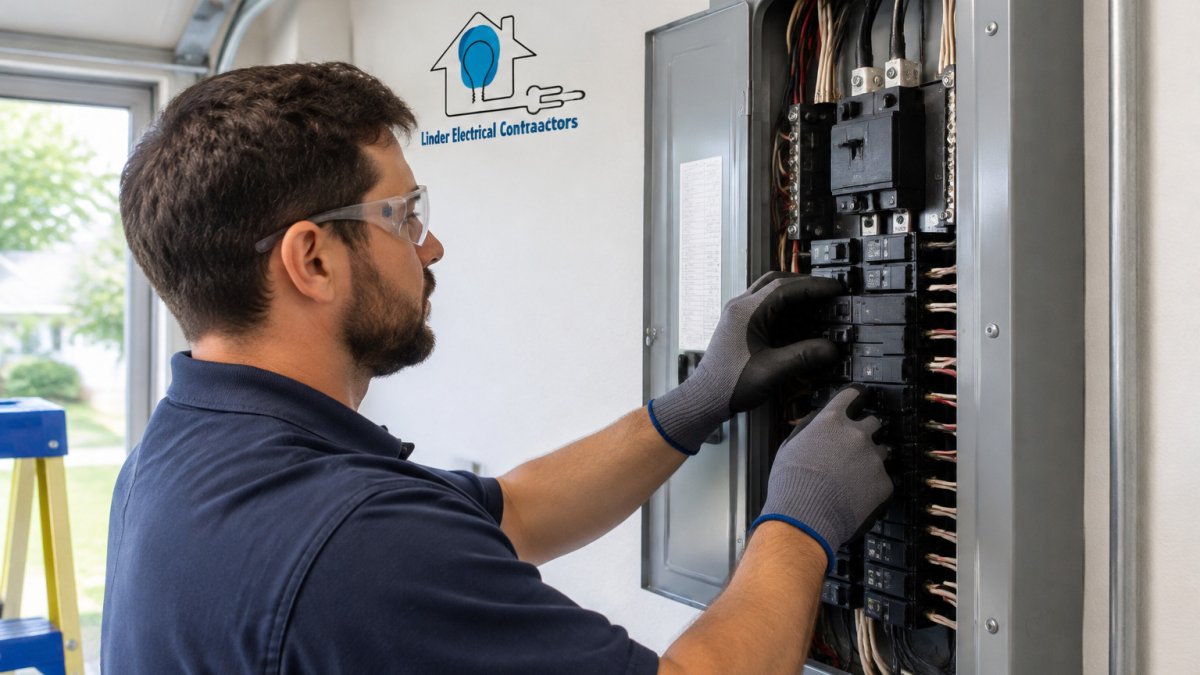
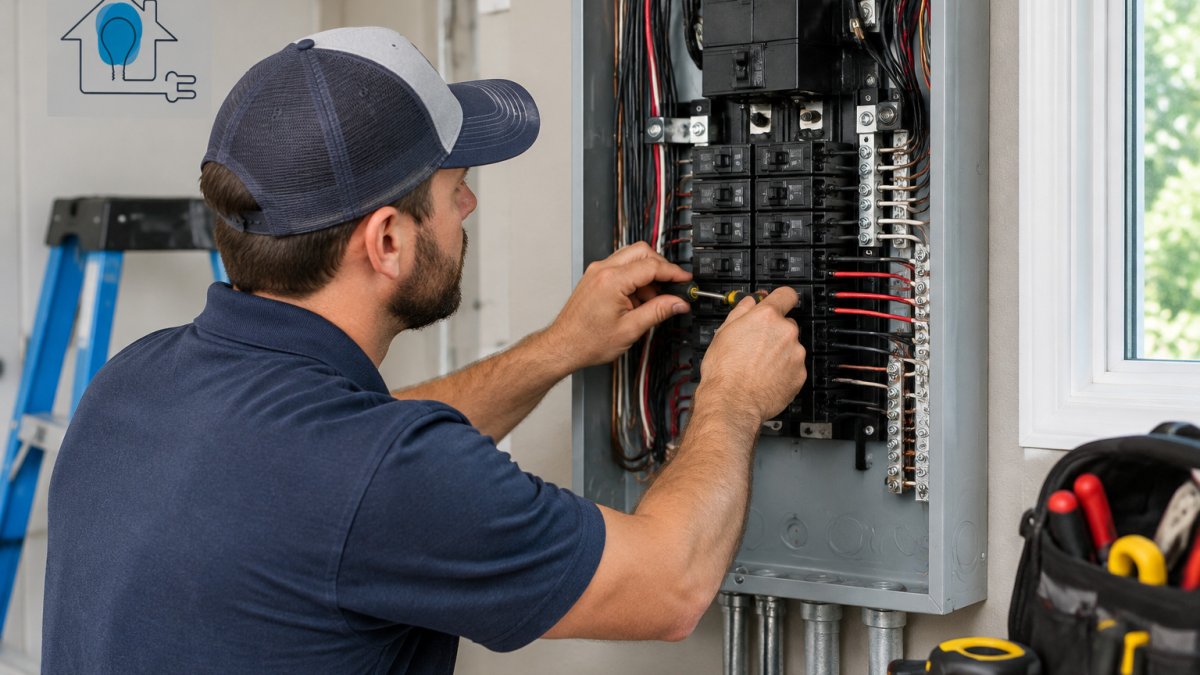
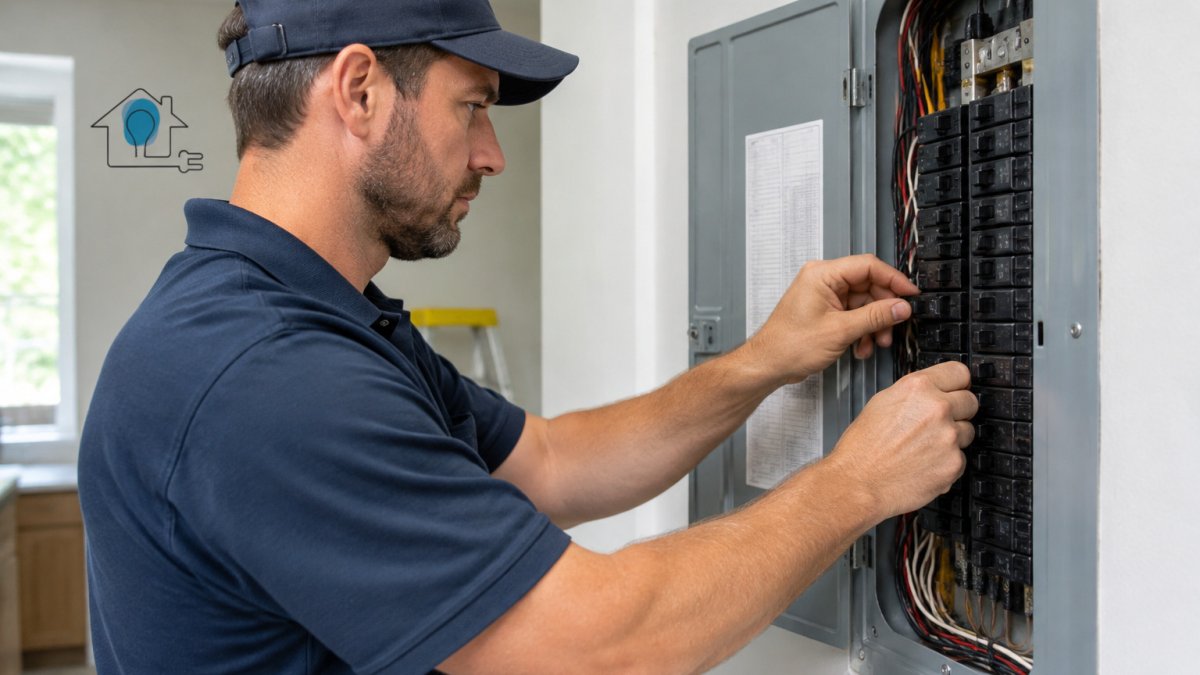
Image: An electrician in work gloves inspecting a residential service panel and transfer switch beside a home exterior wall | section:Standby Generators, Transfer Switches, and Wire Sizing for a 100 Amp Home
100 Amp Generator Sizing Chart by Backup Goal and Appliance
Use the chart below as a starting point, then confirm the numbers with your own load list. The ranges reflect typical residential equipment and assume the loads listed run at the same time; a load-management device can lower the required capacity by shedding the largest loads during startup.
| Backup goal | Loads included | Running watts (typical) | Surge watts (typical) | Generator type |
|---|---|---|---|---|
| Essentials | Refrigerator, lights, outlets, sump pump | 1,500 to 3,000 | 3,000 to 6,000 | Portable, 3,000 to 5,000 running watts |
| Essentials plus comfort | Adds furnace blower, well pump, microwave | 3,000 to 5,000 | 6,000 to 9,000 | Portable or small standby, 5,000 to 8,000 running watts |
| Managed whole-home | Adds window AC and selected kitchen circuits with load management | 7,000 to 10,000 | 12,000 to 15,000 | Standby, 8,000 to 12,000 running watts |
| Near-full-load | Adds central AC, electric water heater, range, dryer | 15,000 to 22,000 | 25,000 to 35,000 | Standby, 20,000 to 26,000 running watts |
Fuel Options and Runtime Trade-Offs
- Gasoline portables are the lowest purchase cost and are widely available, but fuel degrades in storage and must be rotated. A typical portable burns roughly 0.5 to 1 gallon per hour at half load, so a 6-gallon tank gives about 6 to 12 hours of runtime.
- Propane standby units store fuel indefinitely and start reliably in cold weather, but propane has lower energy content per gallon than gasoline, so consumption is higher. A 1,000-gallon tank is a common whole-home choice.
- Natural gas standby units avoid fuel storage entirely and run as long as the utility gas line is pressurized, but output is derated compared with propane, and a gas line upgrade may be needed.
- Diesel is uncommon for residential standby but offers long runtime and stable storage; it is louder and requires more maintenance.
Purchase and Operating Cost Ranges
Pricing varies with brand, fuel type, transfer equipment, and installation details. For current pricing on your project, request a free written estimate from Linder Electrical Contractors.
Performance in Real Outage Conditions
Cold-weather starting, fuel availability, noise, and weather protection matter as much as wattage. Standby units are typically housed in an all-weather enclosure and exercise weekly, which keeps them ready in freezing conditions. Portables must be run outdoors, away from windows and doors, because they produce carbon monoxide, and they need a dry, covered location in rain or snow. Noise levels for portables commonly fall in the 60 to 70 dBA range at 23 feet, while standby units are often rated in the low 60s dBA. Maintenance intervals for portables are shorter, often every 50 to 100 hours of runtime, while standby units typically follow an annual service schedule.
Compare generator sizes by backup goal before choosing a unit.
Choosing Your Generator and Getting It Installed Safely
Start with a written load list, choose between portable and standby equipment, and confirm the transfer method before buying. Installation of a standby unit or a transfer switch should be done by a licensed electrician who pulls the required permits.
Frequently Asked Questions
Does a 100-amp service mean I need a 100-amp generator? No. The 100-amp rating limits what the utility can deliver to the home. A generator only needs to supply the circuits you plan to back up, which is often far less.
How many watts do I need to run a refrigerator and furnace on a generator? The answer depends on the model and its starting surge. Add the starting watts of each appliance and include a margin for the largest surge.
Frequently Asked Questions
How big of a generator do I need for a 100 amp service?
A 100 amp service at 240 volts can deliver up to about 24,000 watts, but most homes never draw that much at once. For a whole-house backup, many owners size a standby generator in the 10 to 22 kW range, depending on the size of the air conditioner, electric range, water heater and well pump they want to run together. Start with a load calculation of the circuits you need during an outage, then choose a generator that covers the sum of those running loads plus the largest motor's starting surge. A licensed electrician can confirm the number for your panel.
Can a generator run a 100 amp house?
Yes, a generator can back up a 100 amp house, but it does not need to match the full service rating. The 100 amp rating is the maximum the utility can deliver, and your actual demand is usually far lower. A generator sized to your essential loads, rather than the entire service, keeps the purchase and fuel costs reasonable. Whole-house coverage requires a generator with enough capacity for the combined running and starting loads, plus a transfer switch rated for the service.
Is a portable or standby generator better for a 100 amp house?
A standby generator is generally the better fit for a 100 amp house because it starts automatically, connects through an automatic transfer switch and can power a larger share of the home. A portable generator costs less upfront and works for essential circuits, but it must be connected manually through an interlock kit or a properly installed transfer switch, and it needs fuel and outdoor placement. Choose based on how much of the house you want to keep running and how much hands-on work you are willing to do during an outage.