 how-to
Can You Install a Generator on 100-Amp Service?
Table of Contents
- Can You Install a Generator on 100-Amp Service?
- Understanding Generator Size for 100-Amp Service
- Generator Transfer Switch Sizing Requirements
- Generator Inlet Box Installation Process
- When You Need a 100-Amp to 200-Amp Electrical Service Upgrade
- Safety Precautions and Code Compliance
- Common Mistakes to Avoid
- Frequently Asked Questions
Last Updated: October 8, 2026
Can You Install a Generator on 100-Amp Service?
The short answer is no. Most homes cannot safely install generator 100 amp service. A 100-amp electrical panel simply doesn't have enough capacity to handle both your household loads and a backup generator running simultaneously. This is a critical safety issue, not just a convenience problem.
We help homeowners understand their electrical capacity before investing in backup power. Many people assume their existing panel can support a generator. The reality is different. A 100-amp service was designed for a specific load profile, your lights, appliances, heating, and cooling. Add a generator to that mix, and you're asking the system to do more than it was built for.
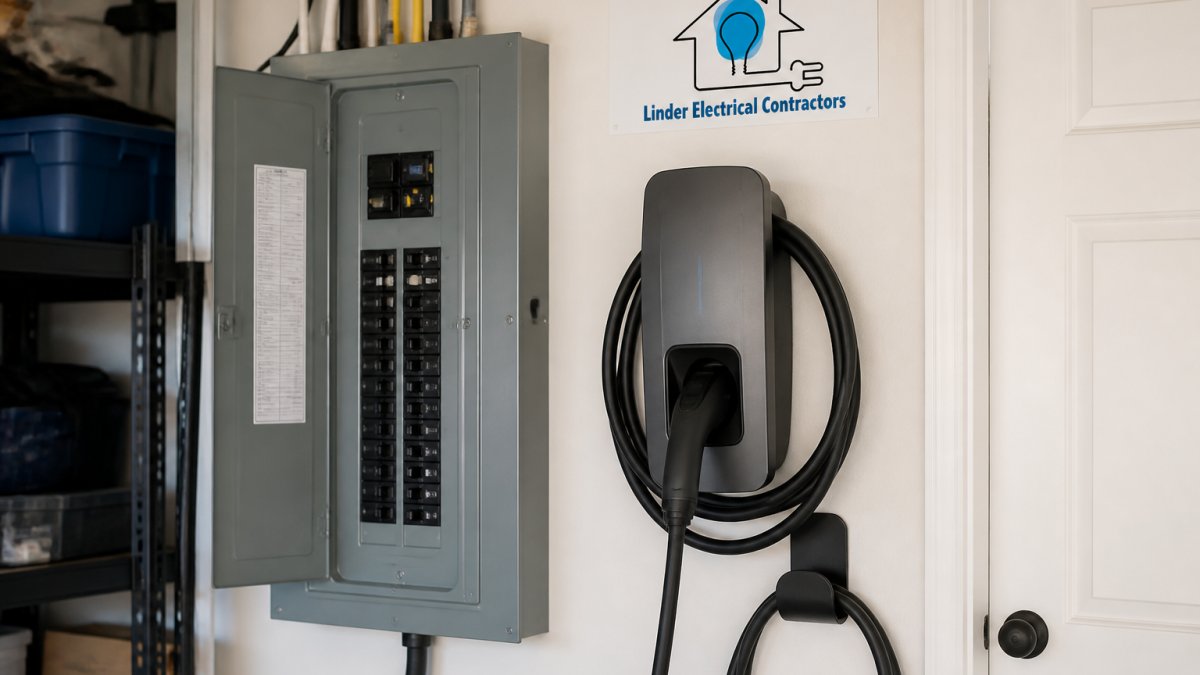
Here's what you need to know: installing a generator on 100-amp service requires a transfer switch. That switch connects your generator to your home's electrical panel. But the panel itself becomes the bottleneck. The amperage rating of your panel limits how much power flows through it. When a generator tries to feed power back into a 100-amp panel, you create safety hazards and code violations.
The good news is that upgrading from 100-amp to 200-amp service is a common solution. It opens up options for generators, EV chargers, and future electrical needs.
Understanding Generator Size for 100-Amp Service
Your generator's size must match your electrical needs. But here's the catch: the size of your generator is separate from the size of your electrical panel.
A typical home generator ranges from 7,500 watts to 20,000 watts or more. A 7,500-watt generator can power essential loads like your refrigerator, heating system, and some lights. A 20,000-watt generator can power most of your home at once.
The problem with 100-amp service is that it limits the total power available to your home. A 100-amp panel provides roughly 24,000 watts of capacity. Sounds like plenty, right?
Here's the real issue: a transfer switch prevents your generator and utility power from running at the same time. That's a safety requirement. But the switch doesn't change your panel's amperage rating. Your 100-amp panel is still a 100-amp panel.
Most electricians recommend a generator that matches your home's actual needs, not its maximum capacity. You don't need to power everything at once. You need to power essential systems: HVAC, refrigerator, water heater, some lights, and outlets.
For a 100-amp home, a 10,000 to 15,000-watt generator is typically adequate for essential loads. But again, your panel capacity is the real constraint.
Generator Transfer Switch Sizing Requirements
A transfer switch is the device that connects your generator to your home's electrical system. It's not optional. Building codes require a transfer switch for any permanent generator installation.
The transfer switch has its own amperage rating. Common sizes are 100 amps, 150 amps, and 200 amps. Here's where the confusion starts: your transfer switch must match your panel, not your generator.
If you have a 100-amp panel, your transfer switch must be rated for 100 amps maximum. You cannot install a 200-amp transfer switch on a 100-amp panel. The panel is the limiting factor.
This means your generator cannot deliver more power than your panel can handle. Even if you buy a massive 25,000-watt generator, it cannot safely supply more than 24,000 watts through a 100-amp panel.
The transfer switch also needs to be sized for the actual load you're putting on it. If your essential loads total 80 amps, a 100-amp transfer switch is appropriate.
Many homeowners ask if they can use a smaller transfer switch to save money. The answer is no. The transfer switch must be sized for your actual loads. Undersizing it creates a fire hazard and violates electrical code.
| Component | 100-Amp Service | 200-Amp Service |
|---|---|---|
| Panel Capacity | 24,000 watts max | 48,000 watts max |
| Max Transfer Switch | 100 amps | 200 amps |
| Typical Generator Size | 10,000-15,000 watts | 15,000-25,000 watts |
| Code Compliance | Restrictive | Flexible |
Generator Inlet Box Installation Process
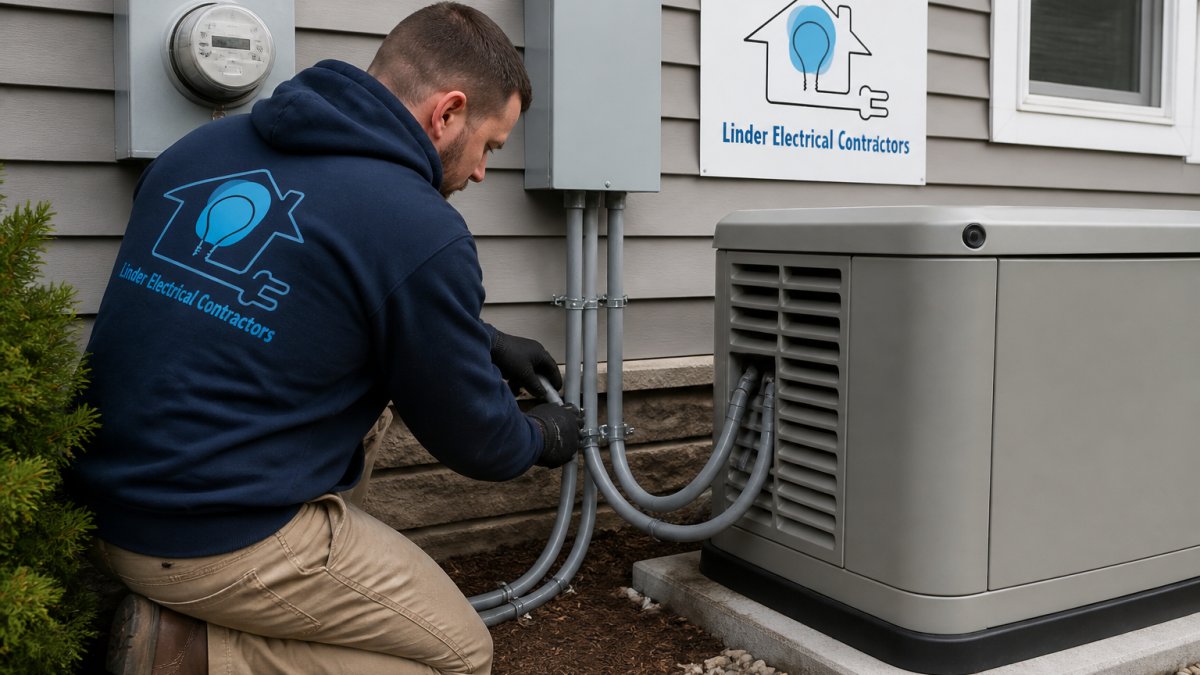
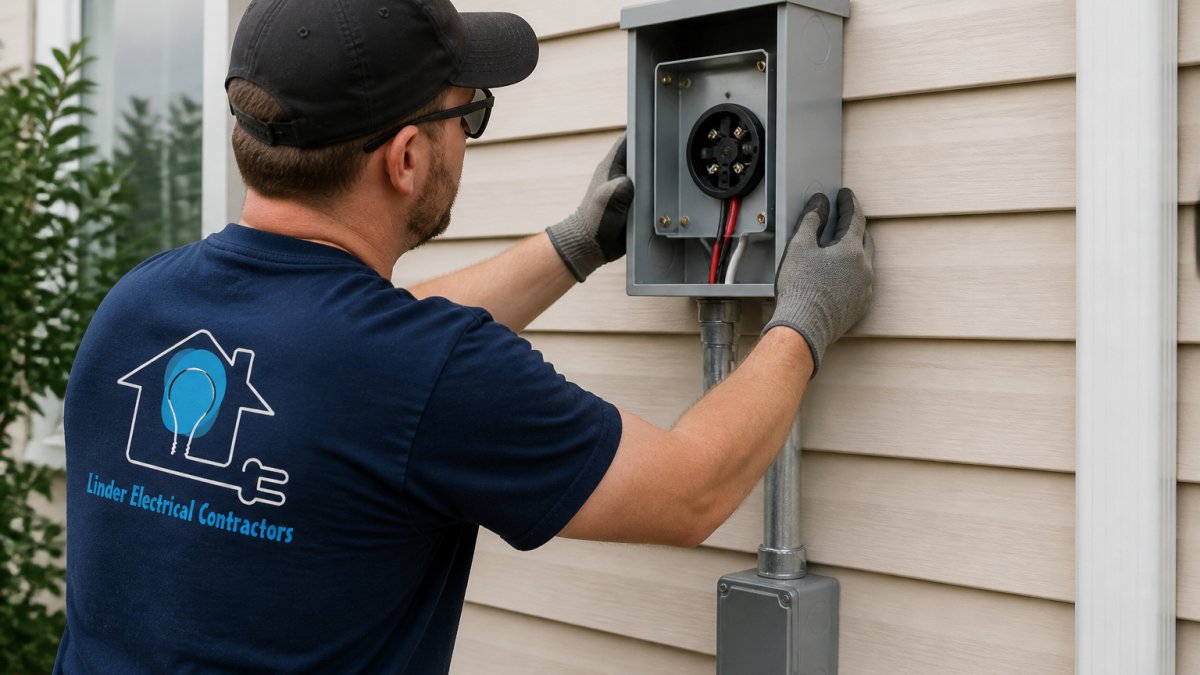
A generator inlet box is the connection point where your generator plugs into your home. It's mounted on the exterior wall of your home, usually near your electrical panel.
To install generator 100 amp service with an inlet box is technically possible. But it's only the first step. The inlet box itself is just a receptacle. The real work happens inside your home, where the transfer switch connects the inlet to your panel.
Tools and Materials You'll Need
Before starting any installation, gather these tools and materials:
- Voltage tester (non-negotiable for safety)
- Wire strippers
- Screwdrivers (Phillips and flathead)
- Drill with bits
- Conduit and fittings
- Appropriate gauge wire for your installation
- Transfer switch (sized for your panel)
- Generator inlet box
- Breaker for the generator circuit
- Permits and inspection paperwork
Do not skip the permits. Many homeowners try to install generators without permits to save money. This is a serious mistake. Unpermitted work voids your home insurance, creates liability issues, and fails home inspections. We always recommend getting proper permits and inspections.
Step-by-Step Installation
Step 1: Get a Permit and Inspection Plan
Contact your local building department before you buy anything.
A permit costs money upfront. But it protects you legally and ensures your installation is safe.
Step 2: Turn Off Power to Your Home
Before touching anything inside your panel, turn off the main breaker.
This is the most important safety step. Working inside a live panel can be fatal.
Step 3: Mount the Inlet Box on Your Exterior Wall
Choose a location near your electrical panel.
Mark the location. Drill holes for the mounting bracket. Secure the inlet box to the wall with appropriate fasteners.
Step 4: Run Conduit from the Inlet Box to Your Panel
Conduit protects the wiring that connects your inlet box to your transfer switch.
Run the conduit in a straight line when possible. Avoid sharp bends that could damage the wire inside.
Step 5: Install the Transfer Switch Inside Your Panel
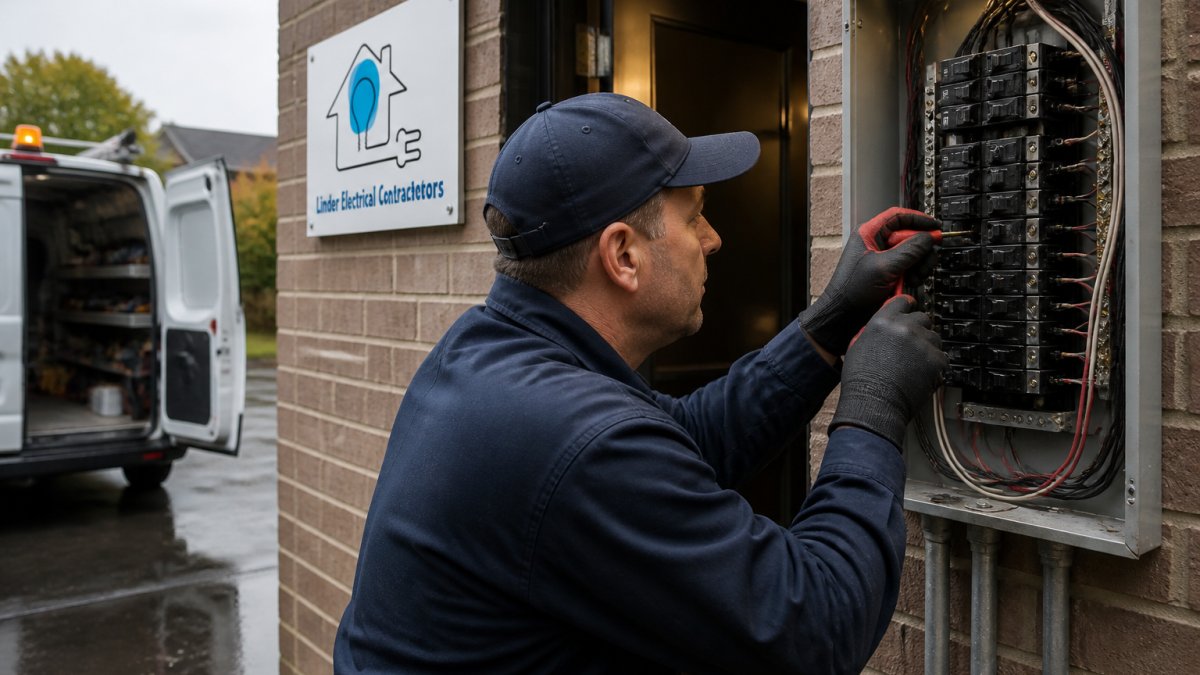
This is where a licensed electrician becomes essential. The transfer switch connects to your main panel.
The transfer switch has two sets of terminals: one for utility power and one for generator power.
Step 6: Connect the Generator to the Inlet Box
Never run your generator indoors. Always place it outside, at least 20 feet from windows and doors (the CDC).
Step 7: Schedule Final Inspection
Your local building department will inspect the entire installation.
Only after passing inspection should you rely on your generator for backup power.
When You Need a 100-Amp to 200-Amp Electrical Service Upgrade
If you want to install a generator on 100-amp service, you'll almost certainly need to upgrade to 200-amp service first. This is the reality that stops most 100-amp installations.
A 200-amp service upgrade is a significant project. Your utility company installs a new meter and service lines. You install a new panel. All of this requires permits and inspections.
The upgrade allows you to install a larger transfer switch and a more powerful generator. It also provides capacity for future needs like EV chargers, heat pumps, or additional circuits.
Many homes built before 1990 have 100-amp service. These homes were built when electrical demand was lower. Modern appliances, air conditioning, and home automation have increased electrical needs dramatically.
If you're planning a generator installation, ask yourself: will I need more electrical capacity in the next 10 years? If the answer is yes, upgrade now. It's more cost-effective to do everything at once than to upgrade twice.
Safety Precautions and Code Compliance
Generator installations are governed by the National Electrical Code (NEC). The NEC is the standard for electrical safety in the United States. Your local building department enforces the NEC in your area.
The most critical safety rule is this: your generator and utility power cannot run at the same time. A transfer switch prevents this by disconnecting one source before connecting the other.
Without a transfer switch, your generator could backfeed power into the utility lines. This is dangerous for utility workers and can damage your generator. It's also illegal.
Always use a transfer switch. Never use a double-throw breaker or any other improvised connection method. The transfer switch is the only safe way to connect a generator to your home.
Carbon monoxide is another serious hazard. Generators produce CO, which is colorless and odorless. Never run a generator indoors, in a garage, basement, or crawl space.
Grounding is also critical. Your generator must be properly grounded according to code. This prevents electrical shock and protects your equipment. Improper grounding is a common mistake that creates serious safety hazards.
According to the National Electrical Code guidelines, all permanent generator installations must include automatic transfer switches and proper grounding systems. These requirements apply to every installation, regardless of your panel size.
Common Mistakes to Avoid
Many homeowners and even some contractors make costly mistakes with generator installations. Here are the most common ones.
Mistake 1: Skipping the Permit Process
Some installers skip permits to save money and time. This is a serious error. Unpermitted work creates liability.
Always get a permit. The cost is small compared to the risk.
Mistake 2: Undersizing the Transfer Switch
A transfer switch must be sized for your actual electrical loads. If you undersize it, the switch becomes a bottleneck. It may overheat or fail.
Calculate your essential loads honestly. Don't guess. If your loads exceed 100 amps, you need a larger panel and transfer switch.
Mistake 3: Connecting the Generator Indoors
Running a generator indoors produces carbon monoxide. This gas kills people. Every year, people die from indoor generator use.
Place your generator outside, at least 20 feet from windows and doors. Use heavy-duty extension cords rated for outdoor use.
Mistake 4: Ignoring the 100-Amp Limitation
The biggest mistake is not recognizing that 100-amp service cannot support a full-home generator.
Be honest about your panel's limitations. If you want a powerful generator, upgrade your service first.
Mistake 5: DIY Installation Without Proper Training
Electrical work is dangerous. Working inside a panel requires specific knowledge and training. Mistakes can cause electrocution, fires, or equipment damage.
Hire a licensed electrician.
Research from the Electrical Safety Foundation International shows that improper generator installation is a leading cause of electrical fires in residential homes.
Frequently Asked Questions
Can a whole-house generator work with 100-amp service?
A whole-house generator can technically connect to 100-amp service, but the generator's output must be sized appropriately. Most modern homes need 15-25 kW generators, which may exceed what a 100-amp panel can safely handle without upgrades. The transfer switch and panel amperage rating determine compatibility. Consult a licensed electrician to assess whether your existing 100-amp service can support your generator or if you need to upgrade to 200-amp service first.
What size generator do I need for a 100-amp house?
The generator size depends on which circuits and appliances you want to power. A 10-15 kW generator can run essential loads like heating, refrigeration, and lights. A 20-25 kW generator supports additional high-demand appliances such as air conditioning or electric water heaters. Since a 100-amp service typically supplies 24 kW of capacity, your generator should not exceed that output. A professional assessment determines the right size for your home's load profile.
Do I need a transfer switch for a generator on a 100-amp panel?
Yes, a transfer switch is required by the National Electrical Code (NEC) for any generator installation. It safely disconnects your home from utility power when the generator runs, preventing backfeed that can injure utility workers. The transfer switch must be sized to handle your generator's output amperage. For a 100-amp panel, you typically need a 100-125-amp rated transfer switch, depending on your generator's capacity and local code requirements.
Will I need to upgrade from 100-amp to 200-amp service before installing a generator?
Not always. If you plan to power only essential loads (heating, refrigeration, lights, well pump), a 100-amp service with a properly sized 10-15 kW generator may be sufficient. However, if you want to run multiple high-demand appliances simultaneously, such as air conditioning, electric heating, and electric vehicle charging, you'll likely need to upgrade to 200-amp service. A licensed electrician can evaluate your electrical load and recommend whether an upgrade is necessary before generator installation.
Installing a generator on 100-amp service is possible, but it's limited by your panel's capacity. Most homeowners need to upgrade to 200-amp service to get the power they need. At Linder Electrical Contractors, we assess your electrical system and recommend the right solution for your backup power needs. We handle all permits, inspections, and installation work so you can have reliable backup power without safety risks. Get a free estimate today and let us help you understand your options.