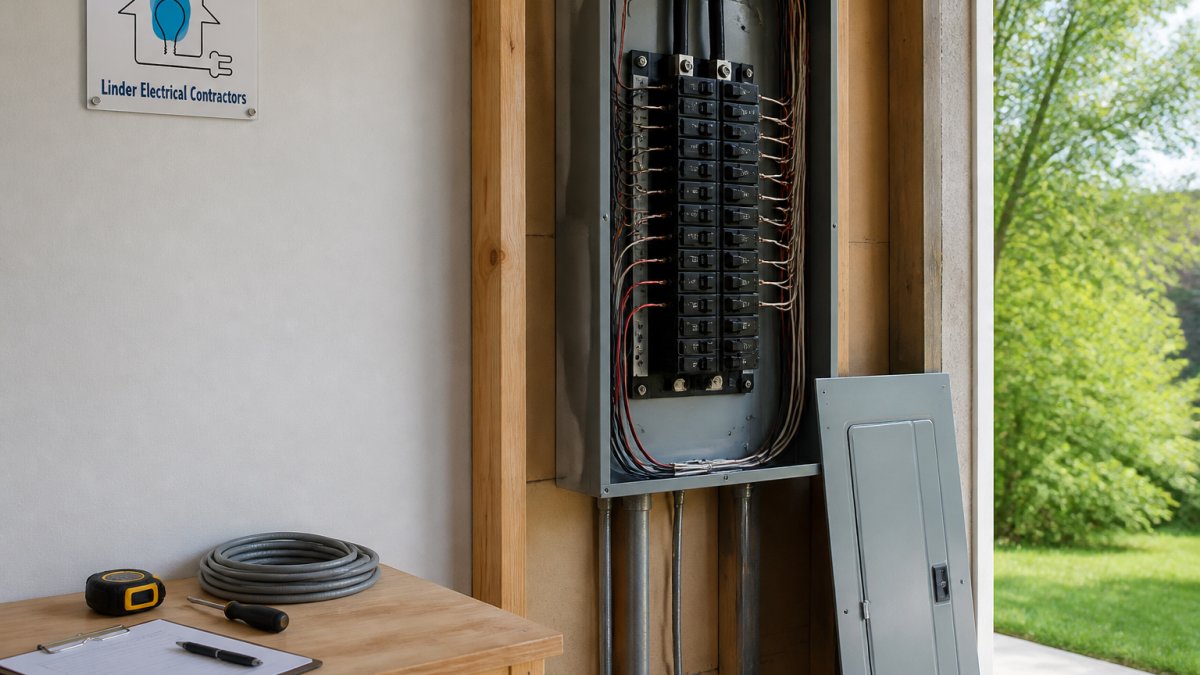
 Ultimate guide
Electrical Panel Replacement Cost 2026: Pricing Guide
Last Updated: October 23, 2026
Quick Summary
Electrical panel replacement cost varies based on amperage, home age, wiring condition, and local code requirements. A 100-amp replacement is the least expensive option, while a 200-amp upgrade costs significantly more due to utility coordination, service-entry wiring, and extensive labor. Labor dominates the budget, followed by materials, permits, and inspection fees.
- A 100-amp panel replacement typically takes one full day, while 200-amp upgrades take longer due to utility coordination and potential service-entry wiring replacement
- Labor is the dominant cost driver, with licensed electricians commanding premium rates for specialized panel work requiring proper certification
- Permit and inspection fees vary by township but typically run several hundred dollars, with some jurisdictions requiring multiple inspections
- Hidden costs include service-entrance wiring replacement, utility coordination fees, code compliance upgrades, and ground rod installation
- Get detailed written estimates from multiple licensed electricians that itemize labor hours, materials, permits, and utility coordination separately
Table of Contents
- What Determines Electrical Panel Replacement Cost
- Electrical Panel Upgrade Cost by Amperage
- 200 Amp Panel Upgrade Cost and Labor Breakdown
- How Long Does It Take to Replace an Electrical Panel
- Getting an Electrical Panel Replacement Estimate
- Hidden Costs and Permit Requirements
- Conclusion
- Frequently Asked Questions
What Determines Electrical Panel Replacement Cost
Understanding electrical panel replacement cost in 2026 requires examining several interconnected factors that vary dramatically. Your home's amperage rating, the complexity of your wiring situation, local permit requirements, and whether you're simply replacing an existing panel or upgrading to higher capacity all shape the final bill.
The single biggest cost driver is amperage. A straightforward 100-amp panel replacement costs less than a 150-amp upgrade, which costs less than a 200-amp service upgrade. But amperage alone doesn't tell the whole story. An older home with outdated wiring might require extensive rewiring work that doubles or triples the project scope. A newer home with modern infrastructure might breeze through a panel upgrade in a day.
Location matters too. Your township's electrical codes, inspection requirements, and utility company coordination all influence pricing. Some jurisdictions require additional safety inspections or demand-side management upgrades that others don't. The utility company's involvement, whether they need to upgrade service-entry equipment or reroute lines, can add significant cost.
Materials have stabilized in recent years, but labor costs remain the dominant expense. Licensed electricians command premium rates for this specialized work, and for good reason: panel work carries real safety risks and requires proper certification. Permit and inspection fees vary by jurisdiction but typically run several hundred dollars.
Electrical Panel Upgrade Cost by Amperage
Understanding amperage-based pricing helps you anticipate what to budget. A 100-amp service handles basic household needs, lights, outlets, standard appliances. Upgrading to 150-amp adds capacity for additional circuits and moderate electrical loads. A 200-amp service is the modern standard for homes with electric heat, air conditioning, and multiple high-draw appliances.
For a 100-amp panel replacement, you're looking at a straightforward swap if the existing infrastructure is sound. The panel itself is the least expensive option in the amperage spectrum. Labor focuses on disconnecting the old panel, installing the new one, and reconnecting circuits.
A 150-amp upgrade typically involves more than just swapping the panel. You may need to upgrade service-entry equipment, the wires running from the utility meter to your panel. If your home's existing wiring is undersized for the increased amperage, you'll need to address that. The work becomes more complex, and the timeline extends.
A 200-amp service upgrade is where costs accelerate noticeably. This almost always requires utility company involvement. They may need to upgrade the transformer serving your home or reposition the service drop (the lines running from the pole to your house).
The difference between "replacement" and "upgrade" matters legally and financially. Replacing a panel at its existing amperage is simpler. Upgrading to higher amperage triggers additional code requirements and utility coordination that increase both labor and material costs.
200 Amp Panel Upgrade Cost and Labor Breakdown
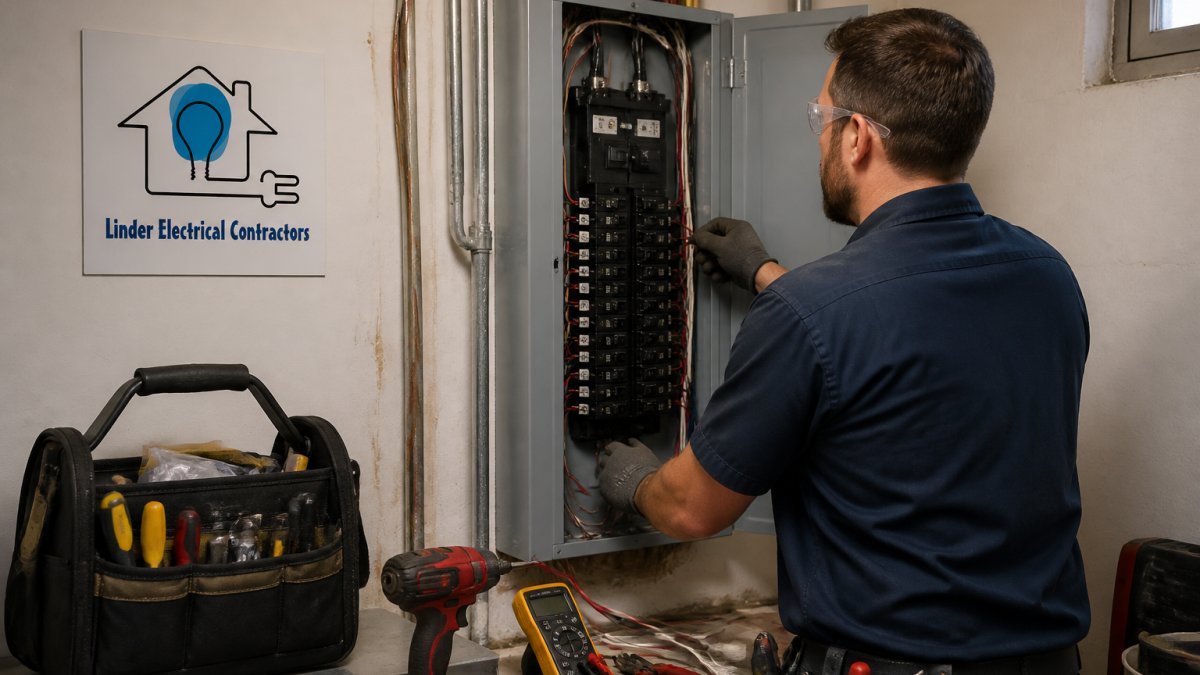
A 200-amp panel upgrade represents the most common major electrical service project. This upgrade supports modern household demands: electric vehicle charging, heat pump systems, large air conditioning units, and multiple simultaneous high-draw appliances. The complexity justifies the cost.
Labor dominates the 200-amp upgrade budget. This includes disconnecting the old panel safely (the utility company usually de-energizes the main service), removing the old equipment, installing the new panel and breakers, reconnecting all circuits, and testing everything.
Materials for a 200-amp panel include the panel itself, new breakers (you're replacing all of them), new service-entrance cable if needed, conduit, fittings, and hardware. The panel and breakers represent the bulk of material cost.
Utility company involvement typically adds cost and complexity. If your home requires a transformer upgrade or service-drop repositioning, the utility may charge a coordination fee. Some utilities handle this work themselves; others require a licensed electrician to perform it.
Permit and inspection fees for a 200-amp upgrade vary by township. The inspection process ensures your new panel meets current code standards. Some jurisdictions require multiple inspections: one before work begins, one after rough-in, and a final inspection.
How Long Does It Take to Replace an Electrical Panel
Timeline depends on the project type and your home's existing infrastructure. A straightforward panel replacement at the same amperage typically takes one full day. The utility company de-energizes the service in the morning, the electrician completes the swap, and the utility re-energizes by late afternoon.
An electrical panel upgrade to higher amperage takes longer. If service-entry wiring needs replacement, add another full day. If the utility company must coordinate work (transformer upgrade, service-drop repositioning), add 2-5 business days for their schedule. You won't have main electrical power during utility work, so plan accordingly.
Permitting adds time before the work even starts. Submitting plans, waiting for approval, and scheduling inspections can take 1-2 weeks depending on your township's backlog. Some jurisdictions are faster; others slower. Factor this into your timeline if you're working toward a deadline.
Hidden delays occur when the electrician discovers conditions during the job. Old wiring that needs replacement, unexpected code violations, or structural obstacles can extend the timeline. This is why getting a detailed scope of work upfront matters, it reduces surprises.
Getting an Electrical Panel Replacement Estimate
A proper estimate requires an in-person inspection. No legitimate electrician will quote panel work based on a phone call. The inspector needs to see your current panel, assess your home's wiring, understand your township's code requirements, and determine whether utility coordination is necessary.
When you request an estimate, provide clear information: your home's age, current panel amperage, desired amperage (if upgrading), and any specific issues you've noticed (flickering lights, frequent breaker trips, burning smells). This helps the electrician prepare for the inspection.
A detailed estimate breaks down labor, materials, permits, and utility coordination separately. Labor should specify the number of estimated hours and the hourly rate. Materials should list the panel, breakers, wire, and any other components. Permits should show the township's fee. Utility coordination should estimate any fees the utility company charges.
Compare estimates from multiple licensed electricians. At Linder Electrical Contractors, we provide free written estimates that detail every aspect of the project. Estimates that lack detail or lump everything into a single number are red flags.
Ask each electrician about their process for handling permits and inspections. Some electricians pull permits and manage inspections as part of their service. Others leave that to the homeowner. You want a contractor who handles the full process, it's one less burden on you.
| Estimate Component | What to Look For | Why It Matters |
|---|---|---|
| Labor | Hourly rate + estimated hours, broken down by task | Prevents surprise billing if work takes longer |
| Materials | Itemized panel, breakers, wire, conduit, hardware | Shows what quality level is included |
| Permits | Township fee amount and who pulls the permit | Clarifies your responsibility and timeline |
| Utility Coordination | Estimated fee and timeline for utility involvement | Helps plan around power outages |
| Warranty | Coverage on labor and materials, duration | Protects you if issues arise post-installation |
Hidden Costs and Permit Requirements
Most homeowners underestimate the hidden costs lurking in panel projects. Permit fees are obvious, but inspection fees sometimes surprise people.
Service-entrance wiring replacement is a common hidden cost. If your existing wires are corroded, undersized, or damaged, they must be replaced. This isn't optional, it's a code requirement.
Utility coordination fees catch many homeowners off guard. If the utility company must upgrade your transformer, reposition the service drop, or install new metering equipment, they charge for this work.
Code compliance work is another hidden expense. If your home's wiring doesn't meet current code standards, the electrician must bring it into compliance as part of the panel upgrade.
Permit requirements vary by township but generally include submitting electrical plans, paying a fee, and scheduling inspections. Some jurisdictions require a licensed engineer to stamp the plans. Others accept plans from the electrician.
According to the National Electrical Code (NEC) standards, all panel upgrades must meet current safety standards. Your township's electrical inspector verifies compliance.
Service-entry work falls under utility company jurisdiction in most cases. The utility owns the lines running from the transformer to your meter.
Ground rod installation is sometimes overlooked but required by code. If your home's grounding system is inadequate, a new ground rod must be installed and properly bonded to the service equipment.
Conclusion
The cost of electrical panel replacement in 2026 depends on amperage, your home's condition, local codes, and utility requirements. A 100-amp replacement is the least expensive option. A 200-amp upgrade is more complex and costly, but necessary for modern homes with electric vehicles and heat pumps. Factor in labor (the dominant cost), materials, permits, inspections, and potential utility coordination.
Get detailed estimates from multiple licensed electricians. Compare labor rates, material specifications, and how each contractor handles permits and inspections. A transparent estimate protects you from surprises.
At Linder Electrical Contractors, we handle the entire electrical panel replacement process, from initial assessment through permits, inspections, and final installation. Our team manages utility coordination so you don't have to. We provide free written estimates that break down every cost component clearly. The Electrical Safety Foundation International (ESFI) recommends professional installation for all panel work to ensure safety and code compliance.
If you're considering an electrical panel upgrade or need a replacement, contact Linder Electrical Contractors for a free estimate. We'll inspect your current system, explain your options, and provide a detailed quote before any work begins. Get started with Linder Electrical Contractors and ensure your home's electrical system is safe, reliable, and ready for modern demands.
Frequently Asked Questions
How much does electrical panel replacement cost in 2026?
Total electrical panel replacement cost depends on amperage, materials, labor, and local permit fees. A 100-amp panel replacement generally costs less than a 200-amp upgrade. Your specific cost depends on your home's wiring condition, accessibility, and whether utility work is required. For a precise estimate, contact Linder Electrical Contractors.
What is included in an electrical panel replacement estimate?
A complete electrical panel replacement estimate should itemize the panel itself, circuit breakers, labor hours, permit fees, inspection costs, and any wiring repairs or upgrades. It may also include service-entry work if your utility connection requires updates. Request a detailed breakdown from your electrician so you understand each line item. Hidden costs often emerge during installation if old wiring is damaged or code violations are discovered, so ask your contractor how they handle unexpected findings before work begins.
How long does it take to replace an electrical panel?
A straightforward electrical panel replacement typically takes a few hours for a licensed electrician, depending on panel type, accessibility, and whether wiring upgrades are needed. If your home has an older service entrance or requires utility coordination, the project may extend to a full day or require multiple visits. Permit and inspection timelines add to the overall project schedule. Your electrician can provide a more precise timeline after assessing your specific situation.
Does homeowners insurance cover electrical panel replacement?
Standard homeowners insurance does not cover electrical panel replacement as routine maintenance. However, if the panel failure causes damage to your home or appliances, your insurance may cover the resulting damage. Some insurers offer discounts if you upgrade an old or hazardous panel. Check your policy and contact your agent directly. Additionally, federal tax credits may be available for certain electrical upgrades, including panel replacements that improve energy efficiency or enable EV charger installation. Consult with a tax professional for details.