 blog
Residential Electrical Service Upgrades: A Guide
Table of Contents
- Signs Your Home Needs an Electrical Service Upgrade
- From 100-Amp to 200-Amp: Understanding Your Upgrade Options
- 100-Amp to 200-Amp Upgrade Cost Breakdown
- Electrical Service Upgrade Permit and Inspection Requirements
- Questions to Ask an Electrician Before Hiring
- Electrical Upgrade Project Timeline and What to Expect
- EV Charger Readiness and Modern Power Needs
- Frequently Asked Questions
Last Updated: October 18, 2026
Signs Your Home Needs an Electrical Service Upgrade
Your electrical panel is the nerve center of your home. When it can't keep up with modern power demands, you'll notice signs that an electrical service upgrade is necessary.
Flickering lights are a common indicator: if lights dim when you turn on the air conditioner or microwave, your panel is struggling. Frequently tripped breakers are another red flag, an older 100-amp service can't handle today's appliances, HVAC systems, and electronics.
Burning smells near the breaker box demand immediate attention, they signal overheating and a genuine fire hazard. Warm outlets or reliance on multiple extension cords and power strips also mean your electrical capacity is maxed out.
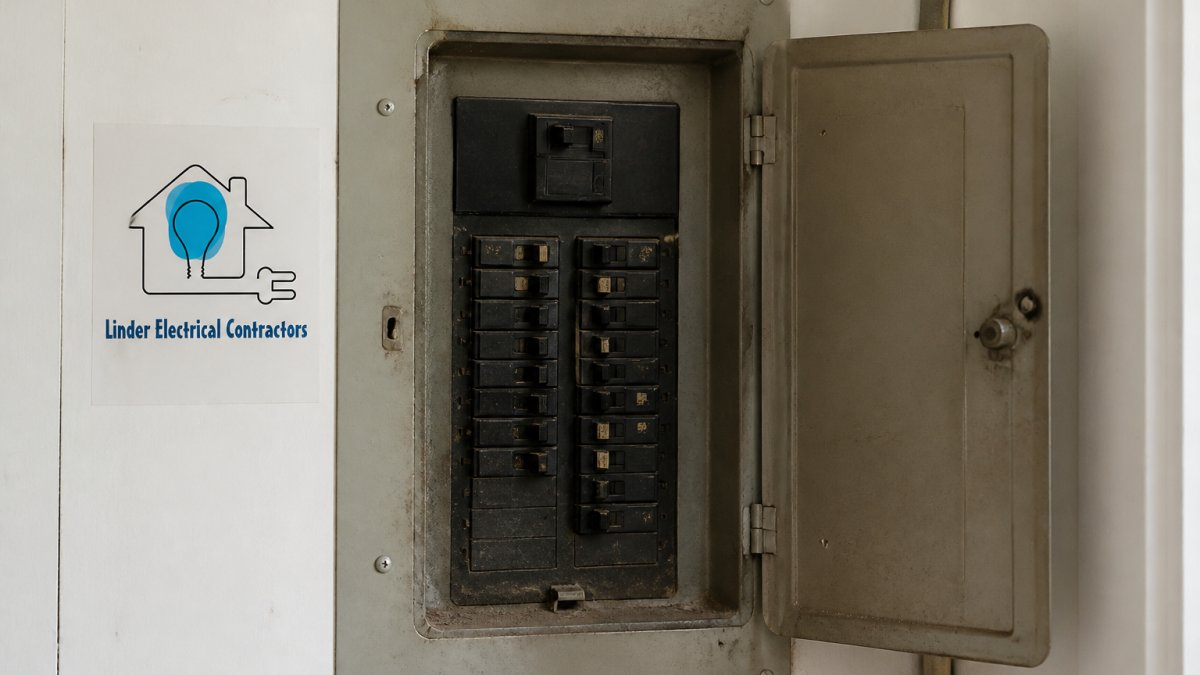
Homes built before the 1980s frequently have inadequate electrical service. If you're planning major renovations, adding an EV charger, or installing a backup generator, you'll almost certainly need to upgrade. At Linder Electrical Contractors, we've assessed hundreds of homes, and the pattern is consistent: older panels weren't engineered for today's power-hungry appliances.
From 100-Amp to 200-Amp: Understanding Your Upgrade Options
The jump from 100-amp to 200-amp service is the most common residential electrical service upgrade.
Your amperage rating determines how much current your panel can safely deliver. A 100-amp service was standard through the 1980s and early 1990s and handles basic loads: lights, heating, and older appliances. Today's homes with central air, electric water heaters, and multiple high-demand devices frequently exceed this capacity.
A 200-amp service doubles your available capacity, letting you run multiple high-power devices simultaneously without overloading circuits. It's the standard recommendation for homes over 2,000 square feet or any home planning to add EV chargers or heat pumps.
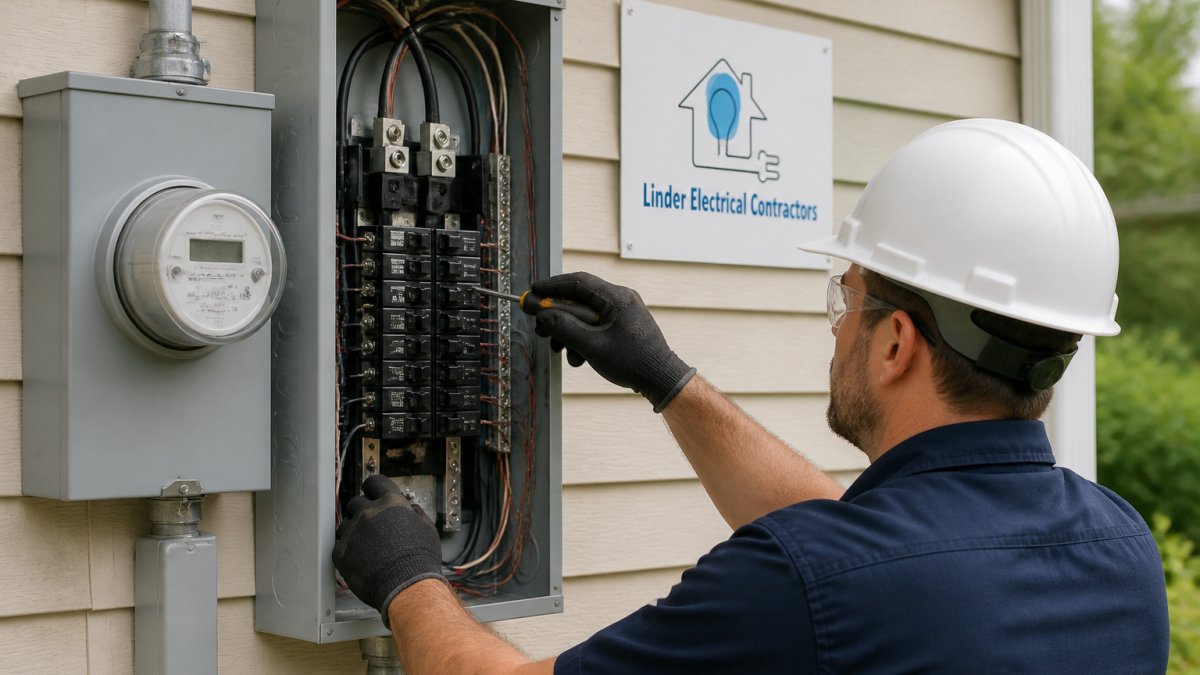
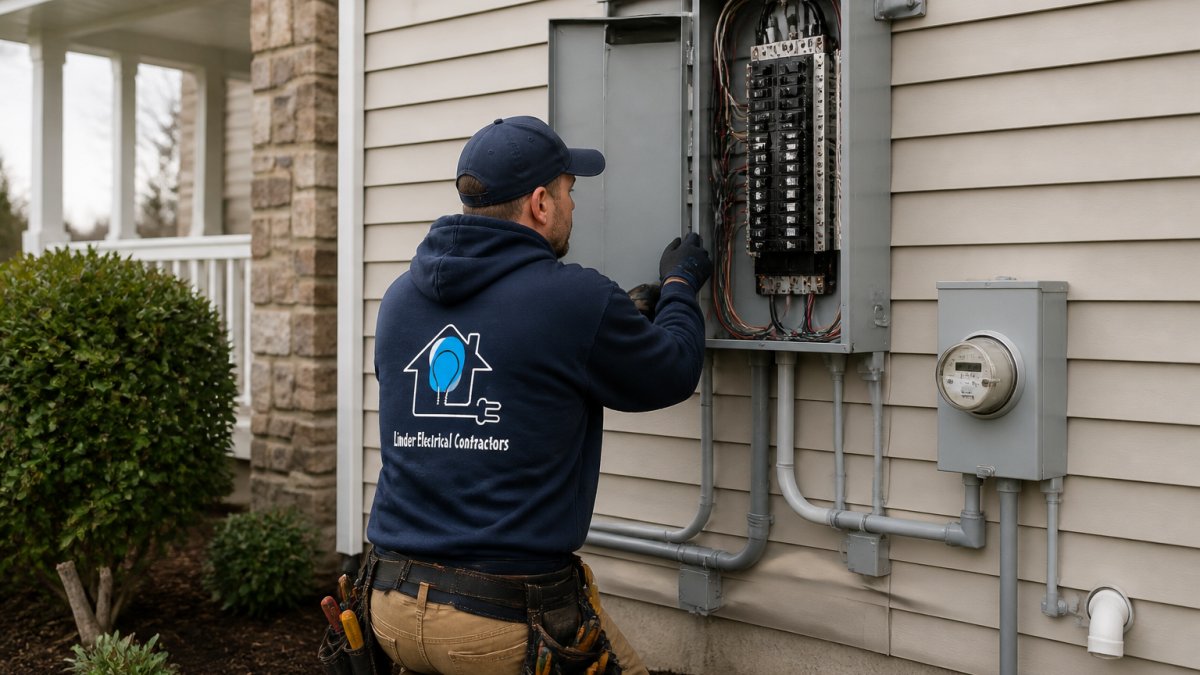
The physical upgrade involves replacing your breaker box, running new service entrance wiring from the utility meter, and potentially upgrading internal wiring depending on your home's age and condition. This is not a DIY project, it must be performed by a licensed electrician and inspected locally.
100-Amp to 200-Amp Upgrade Cost Breakdown
The cost of an electrical service upgrade depends on several factors.
Service entrance work includes running new conduit and wire from the utility meter to your main breaker box. Distance matters: a panel near the front of the house costs less than one requiring a 100-foot run to a back corner.
Breaker box replacement involves removing your old panel and installing a new 200-amp one, including disconnecting all existing circuits, transferring them, and meeting current code. The panel itself is a predictable material cost; the variable is how many circuits must be re-terminated, labeled, and brought up to code.
Permit and inspection fees vary by municipality but typically range from moderate to significant. Your local electrical inspector must approve the work before and after installation. At Linder Electrical Contractors, we handle all permit coordination with local authorities, so you don't manage multiple agencies.
Internal wiring upgrades may be necessary depending on your home's age. Older homes with outdated wiring may require partial rewiring to safely handle increased amperage, discovered during the initial assessment.
Utility company coordination is essential. Your utility company must be notified, and they may charge a fee to upgrade their side of the service connection. This is handled as part of the permitting process.
| Cost Component | Typical Scope | What Drives the Price |
|---|---|---|
| Service entrance work | New conduit, wire, and meter installation | Run length, routing difficulty, exterior vs. interior |
| Breaker box replacement | Panel removal, installation, circuit transfer | Number of circuits, code corrections, panel size |
| Permits and inspections | Local electrical and utility approvals | Municipality fee schedule, number of inspections |
| Internal wiring upgrades | Conditional based on home age and condition | Age of wiring, presence of aluminum or cloth insulation |
| Utility coordination | Meter upgrade and connection work | Utility fee, disconnect/reconnect scheduling |
Realistic project scenarios. A straightforward 100-amp to 200-amp upgrade with a modern panel location, short service run, and code-compliant branch circuits is the low end. A panel in a finished basement, long service run, and a few circuits needing correction sits in the middle.
The best approach is to request a detailed written estimate that breaks down each component. This gives you transparency and prevents unexpected costs mid-project.
Electrical Service Upgrade Permit and Inspection Requirements
Permits aren't bureaucratic obstacles, they're your protection. Every residential electrical service upgrade requires permits and inspections to ensure the work meets electrical code and keeps your home safe.
Step 1: Assessment and load calculation. Before any permit is filed, a licensed electrician evaluates your existing service, performs a load calculation, and confirms whether you need a panel replacement, a service upgrade, or a heavy-up.
Step 2: Permit application. Your local authority having jurisdiction requires permits before work begins. The application includes the scope of work, proposed service size, contractor license information, and sometimes a load calculation and site plan.
Step 3: Utility coordination. Your utility must be notified of the service change and in most cases performs the disconnect and later the reconnect. It may require its own application, service request, and scheduled outage window.
Step 4: Rough-in inspection. An initial inspection happens after the new service entrance and panel are installed but before the utility company connects the new service.
Step 5: Utility reconnect and energization. Once the rough-in inspection passes, the utility connects the new service. This step determines how long your home is without power, so scheduling it tightly against the inspection matters.
Step 6: Final inspection. A final inspection verifies that all work meets code and is safe for operation.
The National Electrical Code (NEC) governs residential electrical installations nationwide. Your municipality may adopt the NEC directly or have additional local amendments.
At Linder Electrical Contractors, we manage the entire permit and inspection process, submitting applications, coordinating with inspectors, scheduling the utility disconnect and reconnect, and ensuring final approval.
Permit approval varies by municipality. Inspector availability and utility reconnect windows can add days, so planning ahead prevents rush fees.
Questions to Ask an Electrician Before Hiring
Asking the right questions before hiring protects you and ensures a smooth project.
Start with credentials. Ask whether they're licensed in your state and carry liability insurance and workers' compensation coverage. Request their license number and verify it directly with your state's licensing board. This takes five minutes and confirms legitimacy.
Ask about their experience with electrical service upgrades specifically. Not all electricians have extensive experience with major panel upgrades, so ask how many 100-amp to 200-amp upgrades they've completed and request references.
Inquire about their permit and inspection process. Do they handle all paperwork, or do you coordinate with the municipality? A contractor who manages permits reduces your stress and prevents miscommunication with inspectors.
Request a detailed written estimate that itemizes labor, materials, permits, and inspections. A transparent breakdown shows exactly what you're paying for and prevents surprise charges.
Ask about project timeline and potential disruptions. How long will your home be without power? Will work span multiple days? Understanding the schedule helps you plan around outages.
Finally, ask what happens if problems emerge during the work. Older homes sometimes reveal issues once walls are opened, outdated wiring, code violations, or structural concerns. A good contractor explains how these discoveries are handled and priced before they occur.
Electrical Upgrade Project Timeline and What to Expect
An electrical service upgrade is a significant project, but understanding the timeline helps you prepare.
The pre-project phase involves scheduling an inspection and obtaining a written estimate. The electrician assesses your home, identifies complications, and prepares permit applications.
Permit approval varies depending on your municipality's processing speed. Some jurisdictions move quickly; others have longer backlogs. Your electrician manages this timeline and keeps you informed of progress.
The actual installation typically spans two to three days for a straightforward 100-amp to 200-amp upgrade.
Your home will be without power for portions of the project. Your electrician coordinates with the utility to minimize outage duration;
The final inspection happens within a few days of installation completion. Your local electrical inspector verifies all work meets code. Once approved, the utility company energizes the new service, and your upgrade is complete.
Total project duration from initial consultation to final approval varies. This timeline assumes no complications. Older homes or those requiring internal wiring upgrades may extend this schedule.
EV Charger Readiness and Modern Power Needs
EV adoption is accelerating, and many homeowners want home chargers. Your panel's capacity determines whether this is possible with your current service or requires an upgrade.
A Level 2 home EV charger draws 30-50 amps continuously while charging. A 100-amp panel theoretically has capacity, but running a charger alongside your HVAC system, water heater, and other appliances creates dangerous overloads.
Modern homes are also adopting heat pumps, which are more efficient than traditional air conditioning but demand significant power. Combined with EV charging and modern appliance loads, older panels simply can't deliver.
Backup generators add another layer of complexity. If you're considering whole-home backup power for outages, your electrical panel must support the generator's output. Most generator installations require upgraded service.
Planning ahead prevents expensive retrofits. If you're considering an EV charger, heat pump, or generator within the next five years, upgrading to 200-amp service now costs less than upgrading later under time pressure.
At Linder Electrical Contractors, we assess your long-term electrical needs during the initial consultation. We help you understand whether your current panel supports future additions or whether upgrading now makes financial sense.
An electrical service upgrade is a substantial investment, but it's one of the most important upgrades you can make for your home's safety and functionality.
The process involves replacing your breaker box, upgrading service entrance wiring, obtaining permits, and passing inspection. It's not a DIY project, electrical work requires licensed professionals who understand code requirements and safety protocols.
If you're in Montgomery County and considering an electrical service upgrade, Linder Electrical Contractors can help.
Frequently Asked Questions
How do I know if my home needs an electrical service upgrade?
Your home may need an upgrade if you experience frequent breaker trips, flickering lights, dead outlets, or insufficient power for modern appliances and devices. Older homes built before the 1980s often have 100-amp service, which is inadequate for today's electrical demands. An electrician can assess your current panel capacity and load requirements to determine whether an upgrade is necessary.
What is the typical timeline for a residential electrical service upgrade?
A standard residential electrical service upgrade varies in duration, depending on the complexity of your wiring, the age of your home, and whether any structural work is needed. Permit approval can add time before work begins. After installation, the utility company and local inspector must approve the work before your new service is activated. Plan for a temporary power outage during the switchover.
Do I need a permit and inspection for an electrical service upgrade?
Yes. A permit is required for any electrical service upgrade, and your work must pass inspection by the local authority having jurisdiction. This ensures your new panel and wiring meet current electrical code. Your electrician typically handles permit applications and coordinates inspections with the township and utility company, so you don't have to manage these steps yourself.
What questions should I ask an electrician before hiring them?
Ask whether they are licensed and insured, how they will handle permits and inspections, whether they provide a written estimate upfront, what the project timeline looks like, and whether they can assess your specific electrical needs before recommending an upgrade. Also ask about their experience with homes in your area and whether they offer emergency service. Request references from recent residential service upgrade projects.