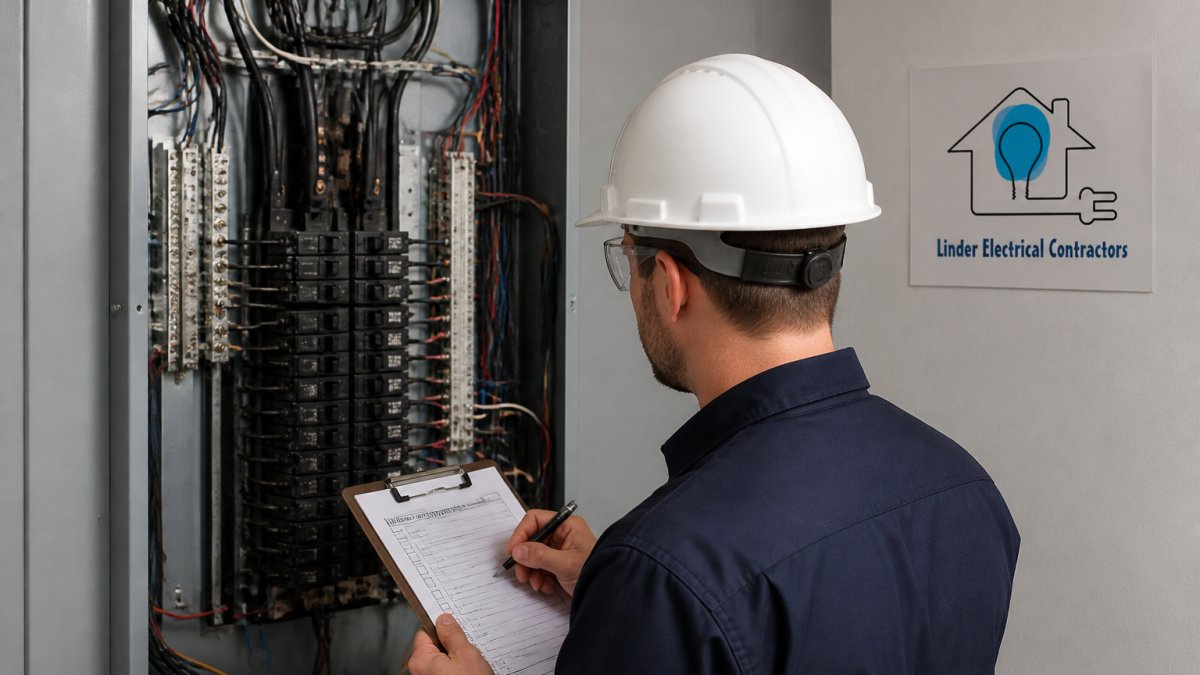
 blog
Which Commercial Electrical Code Violations Should You Avoid?
Last Updated: October 28, 2026
Quick Summary
Common commercial electrical code violations to avoid include improper wiring and splicing, missing or improperly installed neutral and ground wires, overcrowded electrical boxes, incorrect breaker sizing, double-tapped terminals, overloaded circuits, and blocked access to panels and junction boxes. Reviewing these items before an inspection helps you catch problems early.
- A failed electrical inspection can delay a tenant build-out until repairs pass.
- The NEC sets the minimum safety standard, enforced locally with adopted editions and amendments.
- Match each breaker to conductor ampacity and land one conductor per terminal.
- Run a load calculation before adding equipment such as kitchen equipment or EV chargers.
- Keep working clearance clear and install covers and filler plates on open boxes.
Table of Contents
- Why Commercial Electrical Code Violations Cost More Than a Fine
- 1. Improper Wiring and Splicing Methods
- 2. Missing or Improperly Installed Neutral and Ground Wires
- 3. Overcrowded Electrical Boxes and Blocked Access Holes
- 4. Incorrect Breaker Sizing and Double-Tapped Terminals
- 5. Overloaded Circuits, Panel Capacity, and Open Breaker Spaces
- Your Commercial Electrical Inspection Checklist Before the Inspector Arrives
- Top Electrical Inspection Failure Reasons and How to Prevent Them
- Frequently Asked Questions
Why Commercial Electrical Code Violations Cost More Than a Fine
A failed electrical inspection can delay a tenant build-out until repairs pass.
The rules come from the National Electrical Code (NEC), published by the National Fire Protection Association (NFPA 70, National Electrical Code (NEC)). The NFPA's overview of NFPA 70, the National Electrical Code explains that the NEC sets the minimum safety standard for electrical installations. Your local authority enforces its own adopted edition, plus any amendments.
Below are examples of commercial electrical code violations and ways to review them.
1. Improper Wiring and Splicing Methods
Loose splices and unprotected connections are examples of issues that may be reviewed during an inspection. Examples include:
- A splice made in a ceiling plenum outside a listed box, or a box buried above a hard ceiling with no access panel
- Taped and buried connections in a wall cavity during a tenant improvement
- Wrong wire gauge for the circuit, common when a 20A circuit is extended with 14 AWG wire
- Damaged insulation left in place at a tight bend or staple
- Unlisted twist-on connectors mixed with push-in connectors on the same splice
- Aluminum branch conductors spliced to copper without a listed connector rated for the combination
If you want more information, our guide to electrical code compliance for commercial buildings covers additional requirements.
2. Missing or Improperly Installed Neutral and Ground Wires
The Occupational Safety and Health Administration's electrical safety guidance treats effective grounding as a core requirement for worker protection. In commercial spaces, the risk is higher because more people share the same equipment and panels.
Common failures include:
- Receptacles with no equipment ground
- Neutral and ground bonded in a subpanel
- Loose or missing service grounding
- Ground wire cut short or disconnected
3. Overcrowded Electrical Boxes and Blocked Access Holes
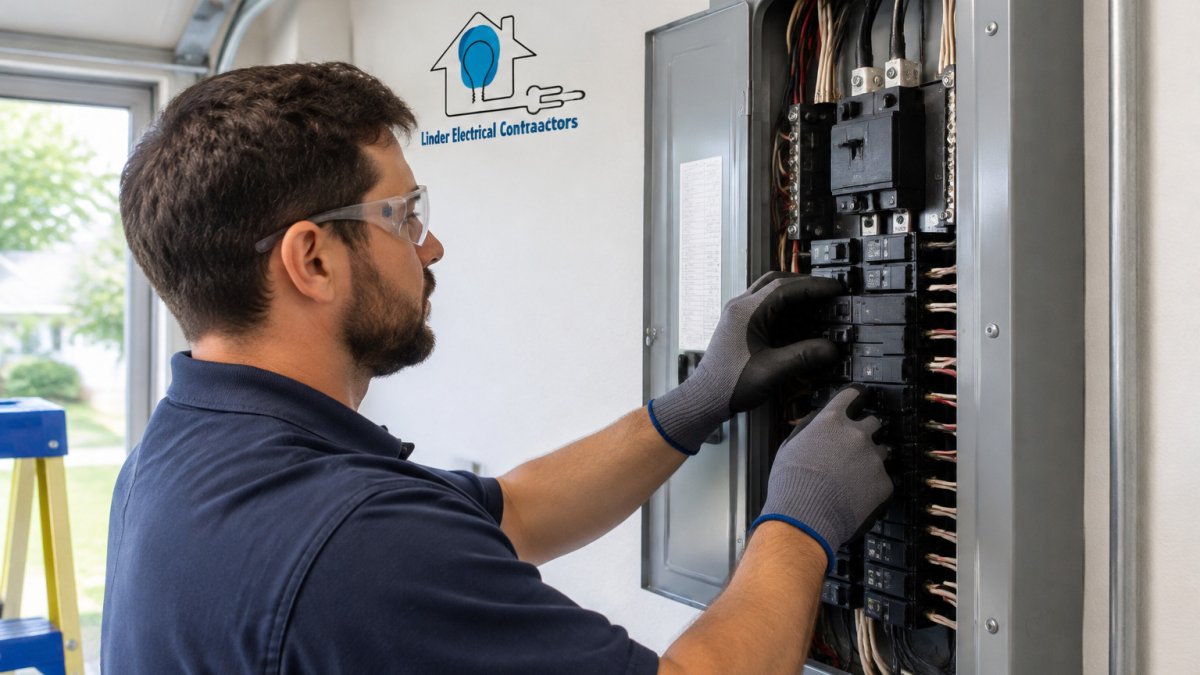
Box fill is one issue to review in commercial electrical installations.
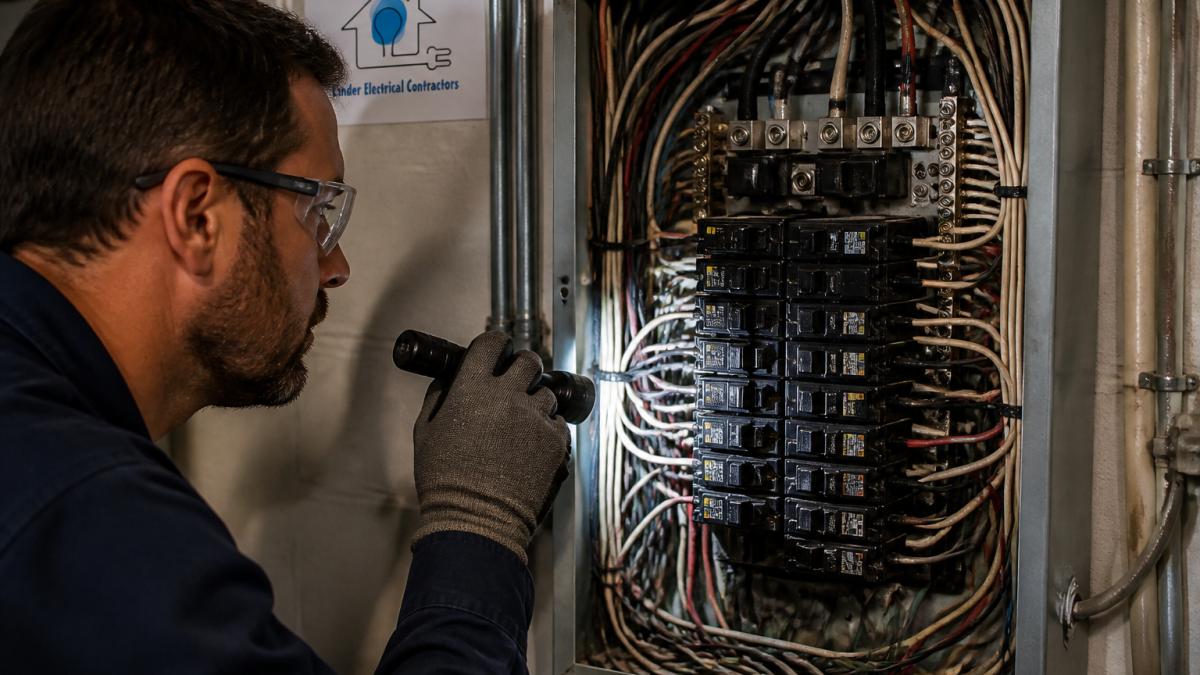
Access to panels, junction boxes, and disconnects is another issue to review.
Our guide to electrical code compliance for commercial buildings covers additional information.
4. Incorrect Breaker Sizing and Double-Tapped Terminals
Double-tapping means two conductors landed under one breaker terminal built for one.
5. Overloaded Circuits, Panel Capacity, and Open Breaker Spaces
An overloaded circuit is a load-related issue. Added equipment can change a building's electrical load.
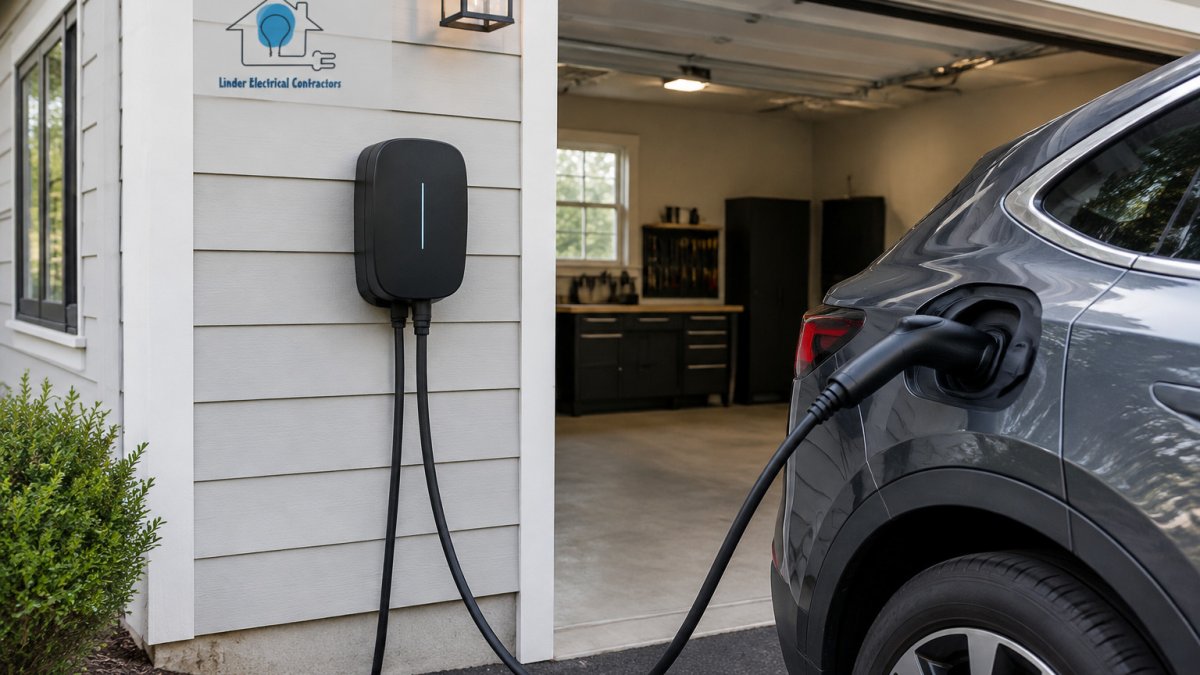
Tenant build-outs can add electrical loads, including kitchen equipment, server racks, EV chargers, HVAC, and warehouse charging stations.
Our guide to hiring an electrician for commercial maintenance covers questions to consider.
Your Commercial Electrical Inspection Checklist Before the Inspector Arrives
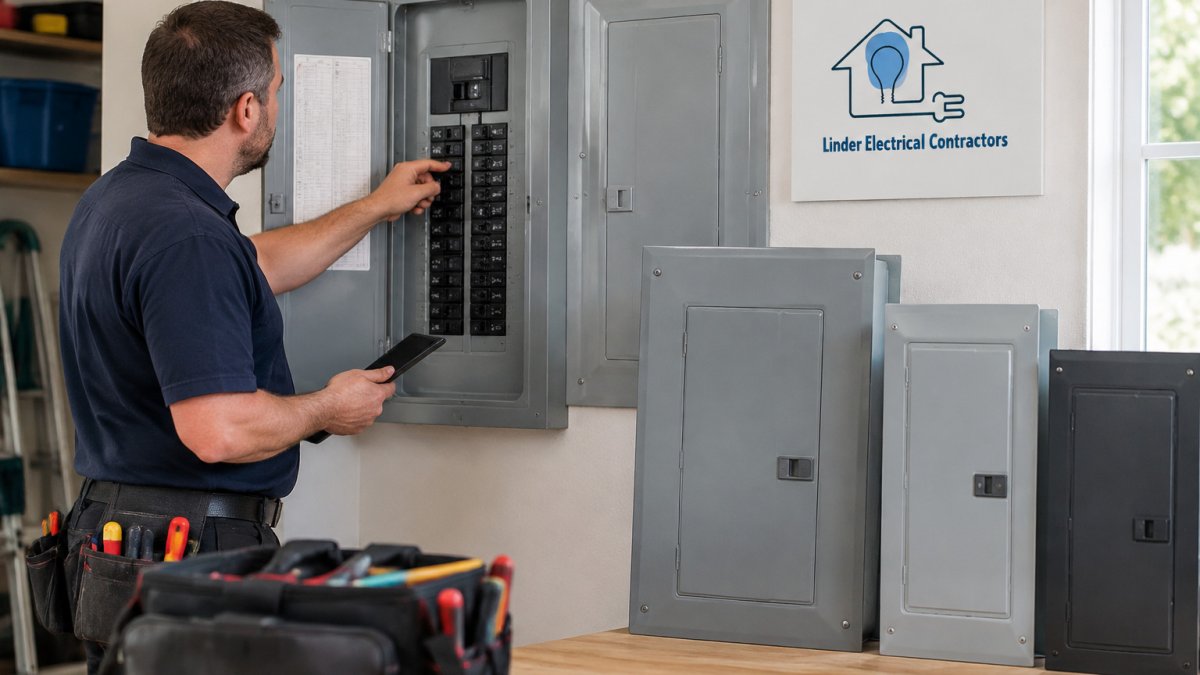
A commercial electrical inspection checklist can help organize a review.
Property managers can also consult a commercial electrical maintenance guide for property managers.
Top Electrical Inspection Failure Reasons and How to Prevent Them
Here are examples of failure reasons and ways to address them.
| Failure Reason | What Inspectors See | How to Prevent It |
|---|---|---|
| Improper splicing | Connections outside approved boxes | Use listed boxes with accessible covers |
| Grounding faults | Missing or loose ground wires | Test every receptacle and bond point |
| Box overcrowding | Too many conductors per box | Check box fill against listed capacity |
| Double-tapping | Two wires on one terminal | One conductor per terminal, properly torqued |
| Breaker sizing errors | Breaker above wire rating | Match breaker to conductor ampacity |
| Overloaded circuits | Heat and repeated tripping | Run a load calculation before adding equipment |
| Blocked access | Panels behind storage or tile | Keep working clearance clear |
| Missing covers | Open boxes and breaker spaces | Install covers and filler plates |
Our guide on how to book a commercial electrical contractor provides additional information.
Frequently Asked Questions
What are the most common electrical code violations in commercial buildings?
Examples of commercial electrical issues include improper wiring and splicing, grounding concerns, overcrowded electrical boxes, breaker sizing, double-tapped breaker terminals, and overloaded circuits. Receptacle concerns can include outdoor covers and access.
What electrical issues can cause a commercial inspection to fail?
Electrical inspection concerns can include conductor sizing, grounding, bonding, junction box access, documentation, and permits. Requirements depend on the applicable jurisdiction.
Does electrical work in a commercial building require a permit?
Permit requirements for commercial electrical work depend on the applicable jurisdiction. Check with the local authority to determine whether a permit is required for your project.
How often should commercial electrical systems be inspected?
Inspection schedules depend on the property and applicable requirements. A maintenance checklist can be used to record observations such as tripped breakers, warm panels, flickering lights, and damaged receptacles.
Electrical code violations in a commercial building rarely stay small. They delay occupancy, raise insurance questions, and put people at risk. Linder Electrical Contractors handles the full scope: licensed and insured crews, free written estimates, and permits and inspections managed for you, with 24/7 emergency service when something fails. Get started with Linder Electrical Contractors and get a free estimate before your next inspection.