 How-to
Can You Upgrade an Electrical Panel Yourself? 7 Things to Know
Last Updated: November 15, 2026
Quick Summary
No, you cannot legally do an electrical panel upgrade yourself in most cases. The utility owns the meter and controls the disconnect, and the work requires a permit and inspection that most homeowners cannot obtain or pass.
- The utility owns the meter, so you cannot legally pull it yourself in most jurisdictions.
- A panel replacement is permitted work that must pass inspection by the local authority.
- The service panel holds live power even when the main breaker is off.
- Common inspection failures include reversed neutral and ground bonding and missing AFCI and GFCI protection.
- A DIY panel upgrade can lead to a denied or reduced insurance claim.
Table of Contents
- Can You Upgrade an Electrical Panel Yourself? The Short Answer
- Electrical Panel Upgrade Permit Requirements You Cannot Skip
- The Real Safety Risks of Doing It Yourself
- Electrical Panel Upgrade Cost: DIY Materials vs. Hiring a Licensed Electrician
- How Long Does It Take to Upgrade an Electrical Panel?
- Electrical Panel Upgrade Without Rewiring: What Is Actually Possible
- Insurance, Liability, and Utility Coordination After the Swap
- Get a Free Estimate Before You Buy a Single Breaker
- Frequently Asked Questions
Can You Upgrade an Electrical Panel Yourself? The Short Answer
The short answer is no, not legally in most cases. A panel upgrade is one of the few home jobs where doing it yourself can void your insurance, fail inspection, and put your family at real risk. This guide from Linder Electrical Contractors walks through exactly why, and what to do instead.
We are licensed and insured electricians who handle panel swaps, permits, and inspections across the area.
What DIY Panel Work Actually Involves
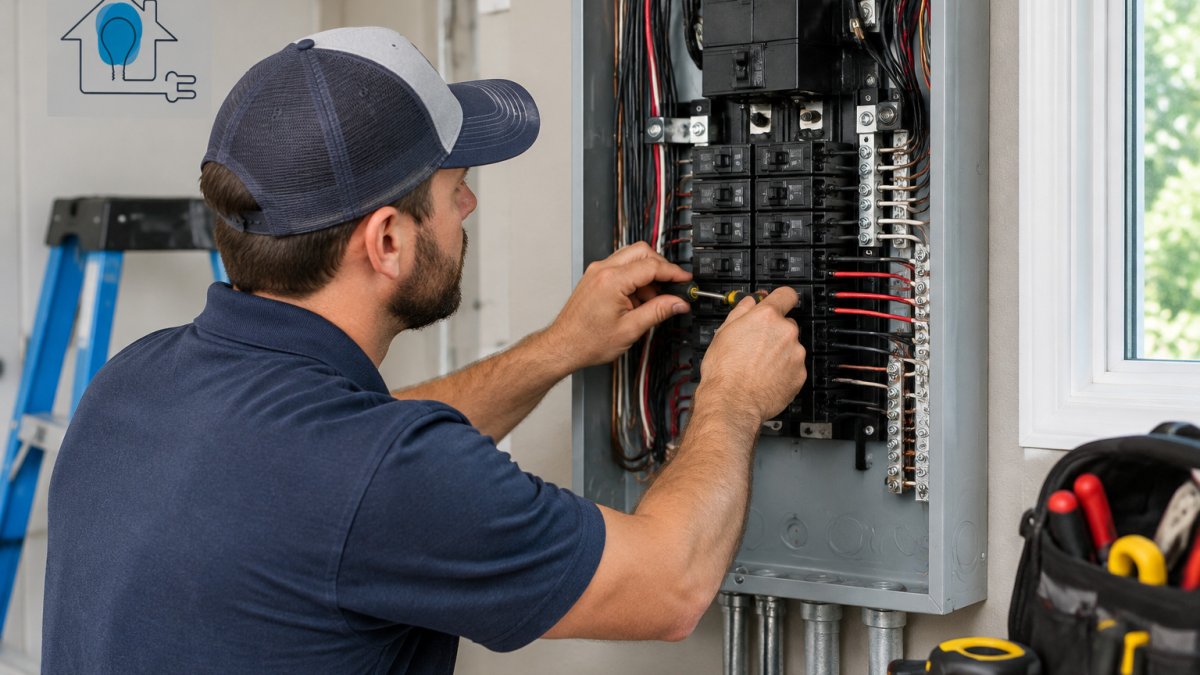
An electrical panel upgrade means replacing the metal box that holds your main breaker, your circuit breakers, and the bus bars that carry power to every room. The work includes:
- Shutting off power at the utility meter and pulling the meter
- Disconnecting the service entrance conductors
- Removing the old panel and mounting a new one
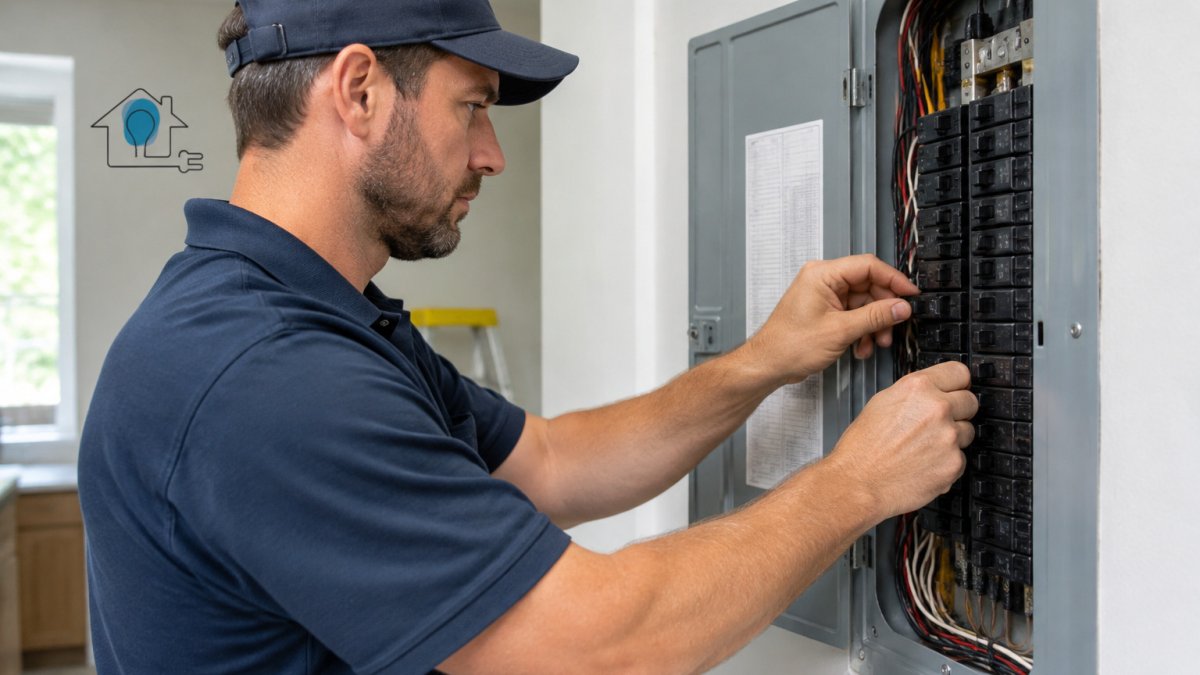
- Reconnecting every branch circuit to the correct breaker
- Bonding and grounding the new panel to code
- Running a load calculation to size the service correctly
Each step is precise. One mistake with a hot wire can be fatal.
Where Homeowners Get Stopped
Most homeowners hit a wall fast. The first stop is the permit office. The second is the utility company, which controls the meter. The third is the inspection.
You cannot legally pull the meter yourself in most jurisdictions. The utility owns it. That single fact ends most DIY attempts before they start.
Electrical Panel Upgrade Permit Requirements You Cannot Skip
A permit is not optional. A panel replacement is permitted work under the model electrical code adopted in most jurisdictions, and the work must pass inspection by the authority having jurisdiction, usually the local building or electrical department.
The permit process usually looks like this:
- Submit an application with the scope of work, the service size, and the contractor's license number
- Pay the permit fee
- Schedule a rough-in inspection before the panel is closed up
- Schedule a final inspection after the work is done
- Receive the signed inspection card, which is your proof of compliance for insurance and resale
Who Is Allowed to Pull the Permit
Permit eligibility varies by local jurisdiction. Check with your local building department to confirm whether a homeowner permit is available for your property.
Why DIY Panel Upgrades Fail Inspection
Common inspection issues for panel work include:
- Grounding and bonding. The neutral and ground must be separated at a subpanel and bonded only at the service; getting this backwards is one of the most common failures.
- Load calculation. The service must be sized to the calculated load, not to the size of the old panel. A 200-amp panel fed by an undersized service entrance fails.
- Working clearance. The code requires a defined clear space in front of and around the panel; a panel installed too close to a wall, shelf, or gas line fails.
- Conductor and breaker sizing. Aluminum branch wiring, undersized feeders, and breakers that don't match the conductor ampacity are frequent write-ups.
- AFCI and GFCI protection. Current code requires arc-fault and ground-fault protection on many circuits, and a panel swap is the moment the inspector expects to see it.
A failed inspection means corrections and a second inspection before the utility will reconnect power.
The full process varies by township, so it helps to understand the electrical permit process for homeowners before you plan anything.
The Real Safety Risks of Doing It Yourself
The risks are serious. The service panel holds live power even when the main breaker is off, because the line side stays energized until the utility disconnects it.
Here is what can go wrong:
- Electrocution risk. Touching the wrong terminal can kill you.
- Arc fault and fire. A loose connection can arc and start a fire inside the wall.
- Improper grounding. Bad bonding leaves the whole system unsafe.
- Code violations. Missed code means a failed inspection and a redo.
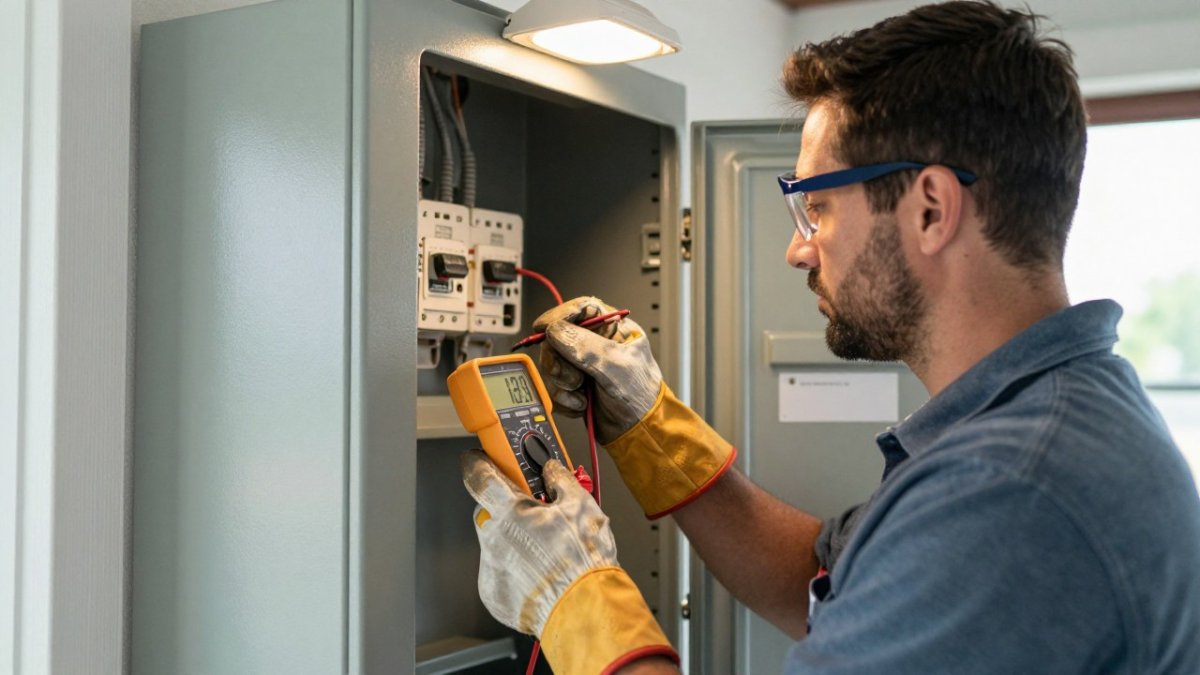
If you want a second set of eyes on your system, it is worth learning how to hire a licensed electrician for a home safety audit rather than taking the risk yourself.
Electrical Panel Upgrade Cost: DIY Materials vs. Hiring a Licensed Electrician
Cost is a common reason people ask whether they can upgrade an electrical panel themselves. Pricing depends on the specifics of each job.
What drives the price up or down:
- Amperage. A 200-amp service costs more than a 100-amp swap.
- Panel type. A main breaker panel costs more than a main lug panel.
- Wire and conduit runs. Long runs and old wiring add labor.
- Permit and inspection fees. These vary by township.
- Utility coordination. Some utilities charge for a meter disconnect.
DIY saves on labor but adds real costs: tool rental, permits you may not qualify for, and the price of fixing a failed inspection. For a clear picture of professional pricing, see our electrical panel replacement cost guide.
We give free written estimates, so you know the number before any work starts.
Several job-specific factors move the price of a panel upgrade up or down.
| Cost factor | Effect on price |
|---|---|
| Amperage | A 200-amp service costs more than a 100-amp swap |
| Panel type | A main breaker panel costs more than a main lug panel |
| Wire and conduit runs | Long runs and old wiring add labor |
| Permit and inspection fees | These vary by township |
| Utility coordination | Some utilities charge for a meter disconnect |
| DIY approach | Saves on labor but adds tool rental and redo costs |
How Long Does It Take to Upgrade an Electrical Panel?
Timelines depend on the scope of the job, local permit and inspection schedules, and utility coordination. Contact Linder Electrical Contractors for an estimate of the timeline for your project.
Electrical Panel Upgrade Without Rewiring: What Is Actually Possible
In some cases a panel can be upgraded without rewiring the whole house, provided the existing branch circuits are in good condition. A licensed electrician can assess your system.
What a panel-only upgrade can do:
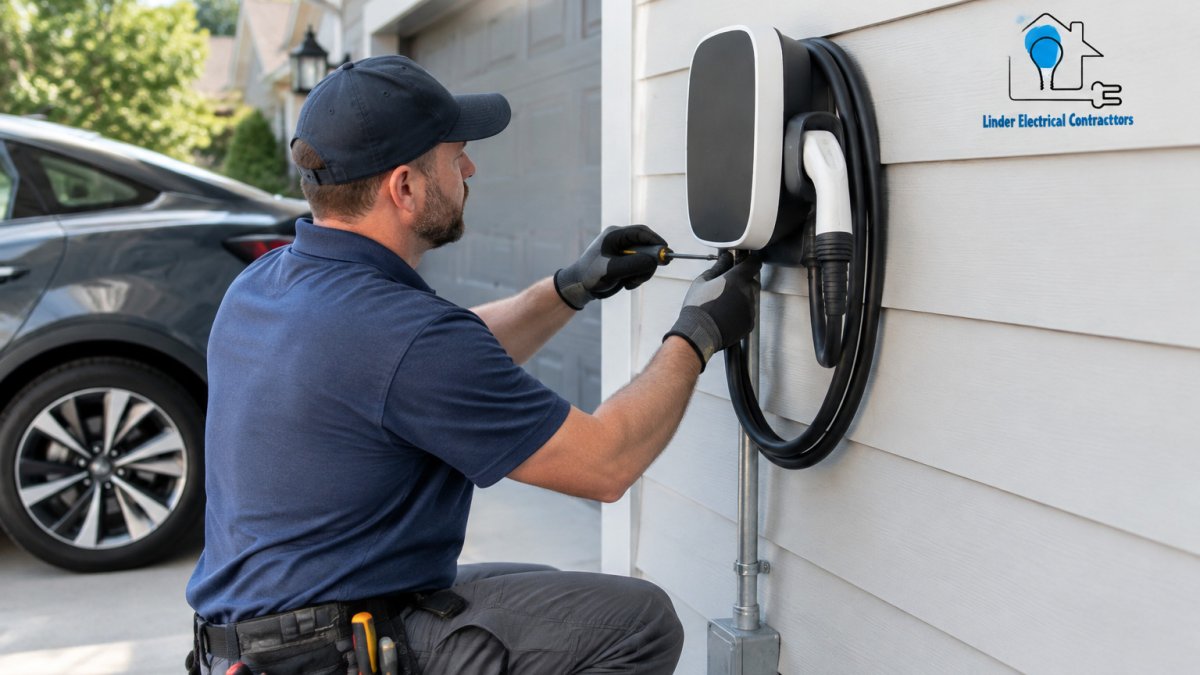
- Increase amperage capacity for an EV charger or backup generator
- Add AFCI and GFCI protection to existing circuits
- Fix an overloaded or outdated service panel
What it cannot do is fix old knob-and-tube wiring, undersized wire gauge, or a service entrance that is failing. Those need more than a panel. For a deeper look at what a service upgrade can and cannot achieve, read our guide to residential service upgrades.
Insurance, Liability, and Utility Coordination After the Swap
A DIY panel upgrade can affect insurance, liability and utility coordination. Three separate systems, your insurer, your liability exposure, and your utility, all react to unpermitted or improperly performed electrical work, and each one has its own mechanism for doing so.
How a DIY Panel Upgrade Can Affect a Homeowner's Policy
A standard homeowners policy does not usually contain a line that says "no DIY electrical work." The exposure is more indirect, and it shows up in three places:
- The duty to disclose and maintain. Policies require the insured to maintain the property and to disclose material changes. A panel swap that was never permitted or inspected can be treated as an undisclosed material change to the risk.
- Ordinance or law coverage. If a fire or fault triggers a rebuild, the code-upgrade portion of the claim (bringing the service up to current code) is often capped or excluded unless ordinance or law coverage was purchased. Unpermitted work tends to surface during that rebuild.
- Claim investigation. When a fire is traced to the service panel, the adjuster's first request is the permit and inspection record. If there isn't one, the claim can be denied or the payout reduced on the grounds that the loss arose from non-compliant work the insured arranged.
Liability Exposure Beyond the Fire
Liability shows up in two directions. The first is toward anyone injured by the work, a family member, a guest, or a future occupant. The second is toward a buyer. Disclosure requirements for permitted and unpermitted work vary by state. Consult a real estate professional or the relevant state authority for the rules that apply to your sale.
Utility Coordination: The Step That Stops Most DIY Attempts
The utility owns the meter and the service drop, and it controls the disconnect and reconnect. That creates a sequence a homeowner cannot shortcut:
- Permit first. The utility will typically ask for the permit number before scheduling a disconnect for a panel replacement.
- Disconnect scheduled in advance. The utility pulls the meter and de-energizes the service on its own schedule, not yours. A missed window can mean days without power.
- Work performed and inspected. The panel swap happens with the service de-energized, and the inspection is scheduled before reconnection.
- Reconnect and meter reseal. The utility reconnects, reseals the meter, and in some cases charges a disconnect/reconnect fee.
Pulling the meter yourself is unsafe, and utility meters are controlled by the utility company.
Linder Electrical Contractors is licensed and insured, and handles the permit, inspection and utility coordination for your project.
Get a Free Estimate Before You Buy a Single Breaker
Before you spend a dollar on a panel or a breaker, get a written estimate from a licensed electrician. It costs nothing and it tells you exactly what you are facing.
At Linder Electrical Contractors, we are licensed and insured, we offer 24/7 emergency service, and we give free written estimates. We handle the permits and inspections for you.
Not sure who to call? Our guide on how to find a reliable local electrician walks you through the questions to ask.
The safest path is simple: stop before you open the panel, and let a pro size the job correctly.
A panel upgrade is not a weekend project, and the risks are not worth it. If your lights flicker, your breakers trip, or you are planning an EV charger or generator, get a professional assessment first. Linder Electrical Contractors handles the full job, from the load calculation and permit to the inspection and utility coordination, backed by licensed and insured workmanship. Get started with Linder Electrical Contractors and upgrade your service safely, with the paperwork handled for you.
Frequently Asked Questions
Can a homeowner legally upgrade their own electrical panel?
Permit rules for homeowners vary by jurisdiction, so check with your local building department first. Panel work must pass inspection before the utility will reconnect power.
Can I upgrade my electrical panel without rewiring the whole house?
It can be possible when the existing branch circuits are in good condition and the wire gauge matches the new breaker sizes. Inspectors check grounding and bonding closely. A licensed electrician can assess whether a straight swap is realistic for your home.
How much does an electrical panel upgrade cost, and is DIY really cheaper?
Pricing depends on amperage, wire condition, and whether the utility needs to disconnect and reconnect. Get a free written estimate from Linder Electrical Contractors to compare total project cost.
How long does it take to upgrade an electrical panel?
The full project timeline depends on permit scheduling, utility disconnect and reconnect, and inspection availability. Contact Linder Electrical Contractors for an estimate of the timeline for your project.