 How-to
How to Hire a Licensed Electrician for a Home Safety Audit
Last Updated: October 30, 2026
Quick Summary
To hire a licensed electrician for a home safety audit, verify the license number with your state or local licensing board and confirm active general liability and workers' compensation insurance directly with the carrier. Then get a written scope stating what the audit covers and excludes, and compare at least three providers on identical scope.
- An audit is visual and diagnostic, not destructive, and does not include repairs or permits.
- Request two or three references from homes similar in age and size to yours.
- Ask whether the electrician performs repairs or only inspects before the visit.
- Read the report in three passes: safety hazards first, code compliance second, upgrades last.
- Clear access to the panel, attic hatch, and garage outlets before the electrician arrives.
Table of Contents
- What a Home Safety Audit Covers and What It Leaves Out
- How to Vet a Licensed Electrician Before You Book
- Your Home Electrical Inspection Checklist: What Gets Reviewed
- Questions to Ask an Electrician Before the Audit Begins
- Electrical Inspection Cost: What Drives the Price and How to Compare Quotes
- How to Read the Electrical Inspection Report and Prioritize Repairs
- How to Prepare for the Appointment and Handle Red Flags
- Getting a Free Written Estimate for Your Home Safety Audit
- Frequently Asked Questions
What a Home Safety Audit Covers and What It Leaves Out
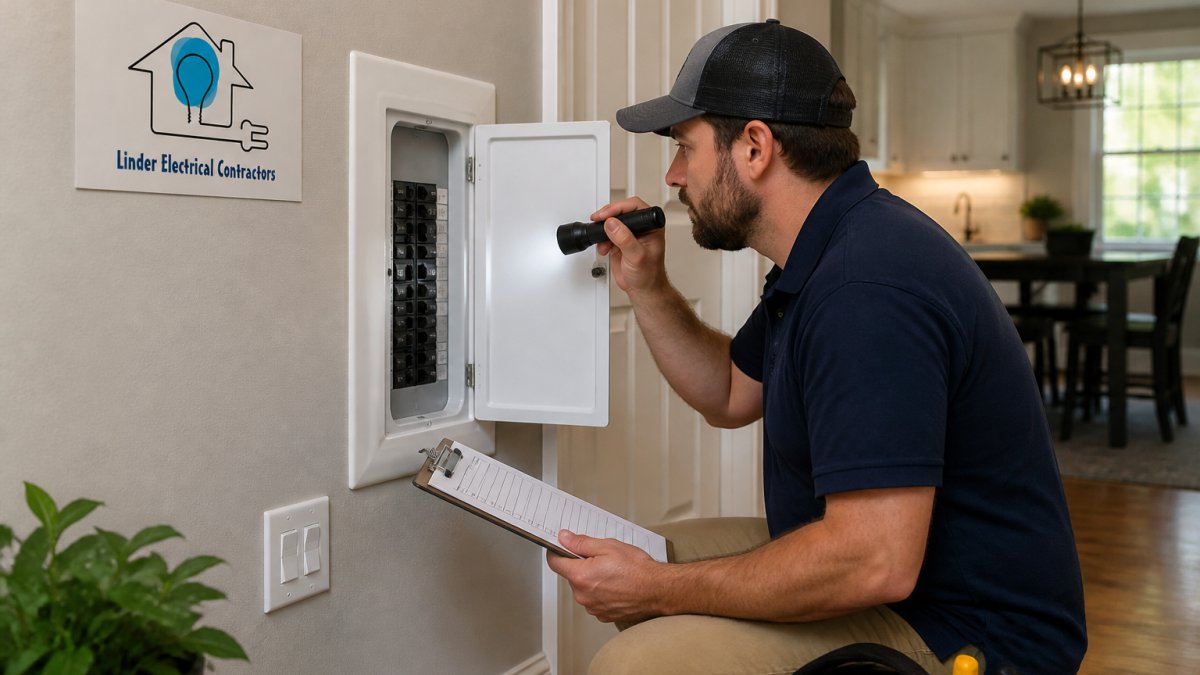
A home safety audit is a room-by-room electrical evaluation that identifies fire risks, shock hazards, and code violations before they cause damage. We run these audits for homeowners who want a straight answer about what is actually behind their walls. The visit is visual and diagnostic, not destructive. An electrician inspects, tests, and reports. That distinction matters, because it sets expectations for both the findings and the bill.
Inside the Inspection Scope
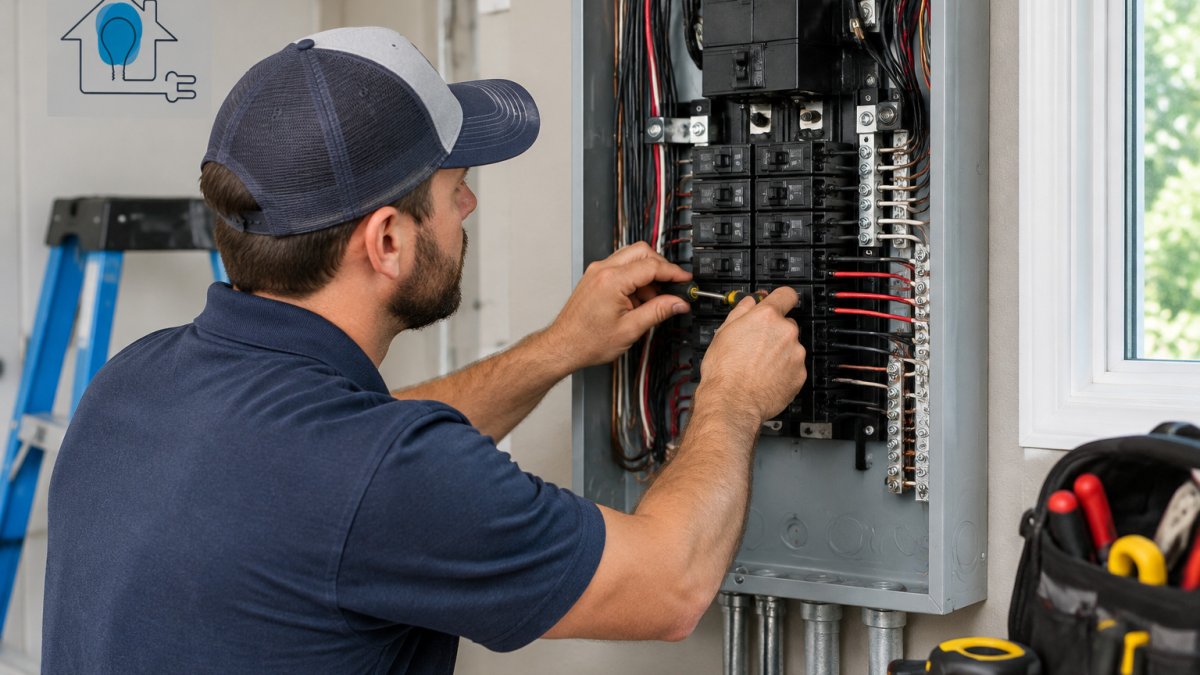
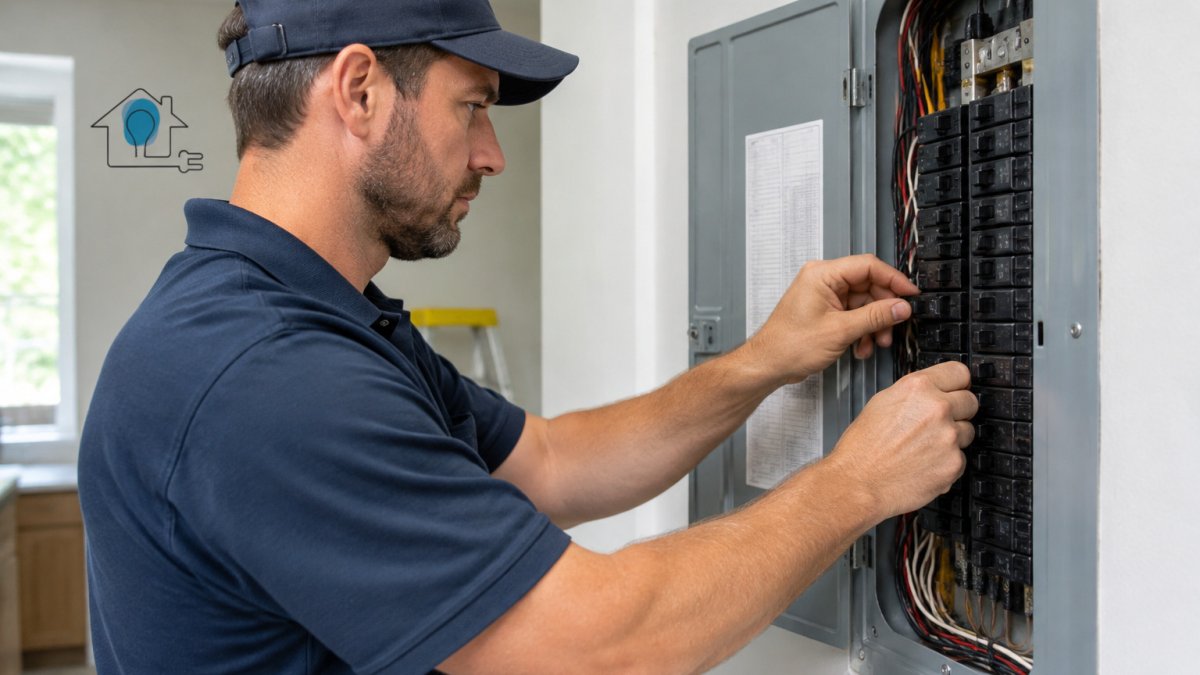
A whole-home electrical inspection can cover the service panel, main breaker, grounding and bonding, accessible circuits, outlets, switches, visible wiring, and fixtures. Anything reachable without cutting drywall is generally part of the review.
What the Audit Does Not Include
An audit is not a repair job. Hidden wiring inside finished walls generally stays hidden unless testing suggests a problem worth opening a wall to find. Permits also fall outside the audit, so review the electrical permit process for homeowners before scheduling any work.
How to Vet a Licensed Electrician Before You Book
The single biggest mistake homeowners make is hiring on price alone. A cheap quote from an unlicensed handyman is not a bargain; it is a liability.
Step 1: Verify the License and Insurance Coverage
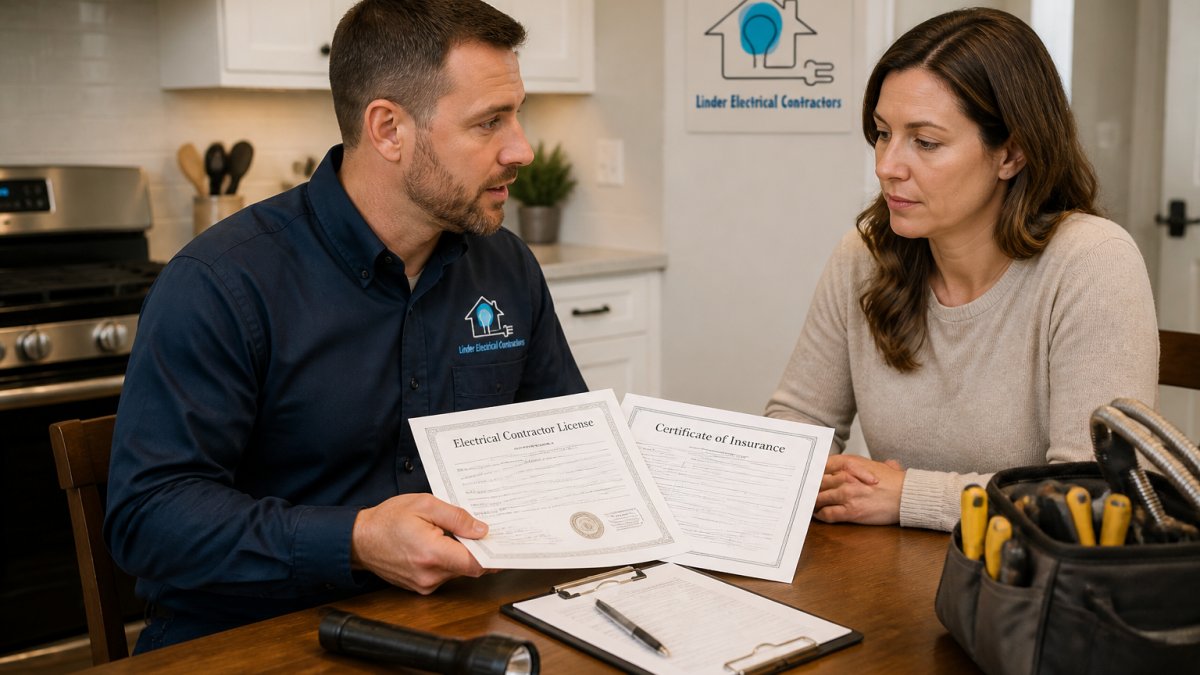
Ask for the license number and confirm it with your state or local licensing board, not just the number on the truck. Then request a certificate of insurance showing both general liability and workers' compensation. Call the insurer's number on the certificate to confirm the policy is active; certificates can be outdated or forged. If a contractor cannot produce both documents quickly, walk away.
Step 2: Check Experience With Older Homes and Renovation History
An electrician who works mostly on new construction may never have dealt with knob-and-tube wiring or a fuse box hiding behind a panel cover. Ask how many homes of your age they have inspected and what outdated wiring they commonly find. Familiarize yourself with the common electrical hazards in older houses so you know what to ask about.
Step 3: Ask for References From Comparable Homes
Request two or three references from homes similar in age and size to yours, not new-build clients. Ask those homeowners three questions: Did the electrician show up on time, did the written report match what was found in person, and did the final bill match the estimate? A contractor who cannot produce references from comparable properties is a risk, regardless of reviews.
Step 4: Confirm the Scope and Reporting Format in Writing
Before booking, get a written scope that states what the audit covers, what it excludes, whether photos are included, and whether the report ranks findings by severity. A verbal "we'll check everything" is not a scope. This is also the moment to ask whether the electrician performs the repairs or only inspects, some firms do both, and that is fine, but you should know before the visit so you can judge whether the repair recommendations are independent.
Step 5: Compare at Least Three Providers on the Same Scope
Send the same written scope to three licensed electricians and compare their quotes line by line. Differences in price usually trace back to differences in scope, one quote may exclude panel testing or photo documentation. Comparing three quotes on identical scope is the only fair comparison, and it also surfaces which providers are transparent about what they do and do not include.
Red Flags to Watch For
- No license number, or a number that does not match the state or local board lookup.
- No certificate of insurance, or refusal to let you confirm coverage with the carrier.
- Pressure to approve repairs on the spot, before you have seen a written report.
A professional welcomes these questions and puts findings in writing. A salesperson deflects toward a package deal.
Your Home Electrical Inspection Checklist: What Gets Reviewed
A standard home electrical inspection checklist covers the panel, the circuits, and every accessible device. Here is what a thorough electrician reviews:
- Service panel and main breaker condition
- Circuit breaker labeling and capacity
- Grounding and bonding of the electrical system
Anything on that list that fails becomes a line item in the inspection report. The checklist exists so nothing gets skipped, not so every box gets a pass.
Questions to Ask an Electrician Before the Audit Begins
Good questions to ask an electrician separate a careful professional from a salesperson. Ask these before you book:
- Are you licensed and insured in this jurisdiction, and can I see proof?
- What exactly does your inspection scope include, and what costs extra?
- Will I receive a written, itemized estimate before any repair work?
- How do you document findings, and will I get photos of problem areas?
- What is your process if you find a serious hazard during the audit?
The answers tell you more than any review. A pro answers directly. A salesperson deflects toward a package deal.
Electrical Inspection Cost: What Drives the Price and How to Compare Quotes
Electrical inspection cost depends on home size, age, panel type, and how many circuits need testing. Older homes with outdated wiring or multiple panels can take longer. Pricing varies by property, so request a written, itemized quote for your home. Request a written, itemized estimate so you can compare providers line by line instead of staring at a single starting price.
| Cost Factor | What It Means | How to Compare Quotes |
|---|---|---|
| Home size | More rooms and circuits, more testing time | Confirm square footage is on every quote |
| Home age | Older wiring and panels take longer | Ask if age surcharges apply |
| Panel type | Fuse boxes and multiple panels add work | Compare panel handling line by line |
| Reporting | Photos and written findings cost time | Check whether reporting is included |
| Repairs | Remediation is quoted separately | Never compare repair totals to audit fees |
How Scope Differences Change the Price
Two quotes for the "same" audit can differ because they cover different work. A quote that includes opening the panel cover, testing every accessible receptacle, checking GFCI and AFCI protection, and producing a photo report is not the same product as a walkthrough that ends with a verbal summary. When you compare quotes, ask each provider to confirm in writing whether the following are included:
- Opening and inspecting the service panel cover
- Testing receptacles and GFCI/AFCI devices
- Checking grounding and bonding
A lower quote that omits panel testing or photo reporting is not cheaper, it is a smaller scope. The only fair comparison is three quotes on identical scope.
Quote-Comparison Checklist
Use this checklist when the quotes arrive:
- Is the scope written down, or is it verbal?
- Does the quote list labor, testing, and reporting as separate lines?
- Is the square footage and home age stated on the quote?
- Are panel type and number of panels noted?
- Is photo documentation included or an add-on?
- Is the repair estimate separate from the audit fee?
- Does the quote state what is excluded (concealed wiring, invasive testing, permits)?
- Is the license number and insurance confirmation attached?
Why We Quote Individually Instead of Publishing a Flat Rate
A flat published rate forces every homeowner into the same number, which means simple homes subsidize complex ones and complex homes get a scope that does not match the price. An itemized quote tied to your home's size, age, panel type, and testing needs is the only way to compare providers fairly and to know what you are paying for before the visit begins.
How to Read the Electrical Inspection Report and Prioritize Repairs
Read the report in three passes: safety hazards first, code compliance second, upgrades last. Anything flagged as an immediate fire risk or shock hazard gets fixed now. Code compliance items can usually wait for a planned upgrade. Cosmetic and convenience items go to the bottom. Ask the electrician to rank findings by risk during the walkthrough, and get a written estimate for each tier so you can budget instead of panic.
How to Prepare for the Appointment and Handle Red Flags
Clear access to the panel, attic hatch, and garage outlets before the electrician arrives. For a detailed room-by-room walkthrough, see how to prepare your home for electrical inspection. Move stored boxes, unlock gates, and note any flickering lights or dead outlets so you can point them out. Watch for red flags during the visit: no license paperwork, pressure to approve repairs on the spot, or vague answers about the inspection scope.
Getting a Free Written Estimate for Your Home Safety Audit
A written estimate should arrive before work begins, itemized by task, with no surprises added later. At Linder Electrical Contractors, we provide free written estimates, hold the required license and insurance, and handle permits and inspections as part of the job. When you are ready to move from research to action, request a free estimate and get a clear picture of your home's electrical health.
Frequently Asked Questions
What should I look for when hiring an electrician for a home safety audit?
Confirm the electrician holds a current state license and carries both liability and workers' compensation insurance before any work begins. Ask how many years they have worked on homes of a similar age and whether they pull permits for repairs. Request a written, itemized estimate and a sample inspection report so you know what you will receive. A professional should answer these questions without hesitation and put the scope in writing.
How much does an electrical inspection typically cost?
Electrical inspection cost depends on the size and age of the home, the number of panels and circuits reviewed, whether the attic and crawl spaces are accessible, and whether the visit is tied to a real estate transaction. Because pricing varies by scope, ask each provider for a written, itemized estimate that separates the inspection fee from any testing or follow-up work. Compare at least two quotes line by line, not just the starting price.
What does a home electrical safety inspection include?
A whole-home inspection typically covers the electrical panel and circuit breakers, grounding and bonding, accessible circuits, outlets, switches, visible wiring, and evidence of overloaded circuits or electrical wear. The electrician also identifies fire risk and shock hazards such as missing GFCIs, double-tapped breakers, and outdated wiring. A home electrical inspection checklist and a written electrical inspection report should be provided so you can see exactly what was reviewed and what needs attention.
How often should a home have an electrical safety inspection?
Most homes benefit from an electrical safety inspection every 10 years, and sooner if the home is 40 years or older, has had major renovations, or shows warning signs like flickering lights, warm outlets, tripping breakers, or burning smells. A home electrical audit is also worth scheduling before buying or selling a property, before adding an EV charger or backup generator, and after any storm or flooding that may have affected the electrical system.
Your home's wiring does not announce its problems until something fails. Linder Electrical Contractors inspects, tests, and reports with the same care we bring to every repair and upgrade, backed by licensed and insured workmanship and free written estimates. Get started with Linder Electrical Contractors and get a free estimate for your home safety audit.