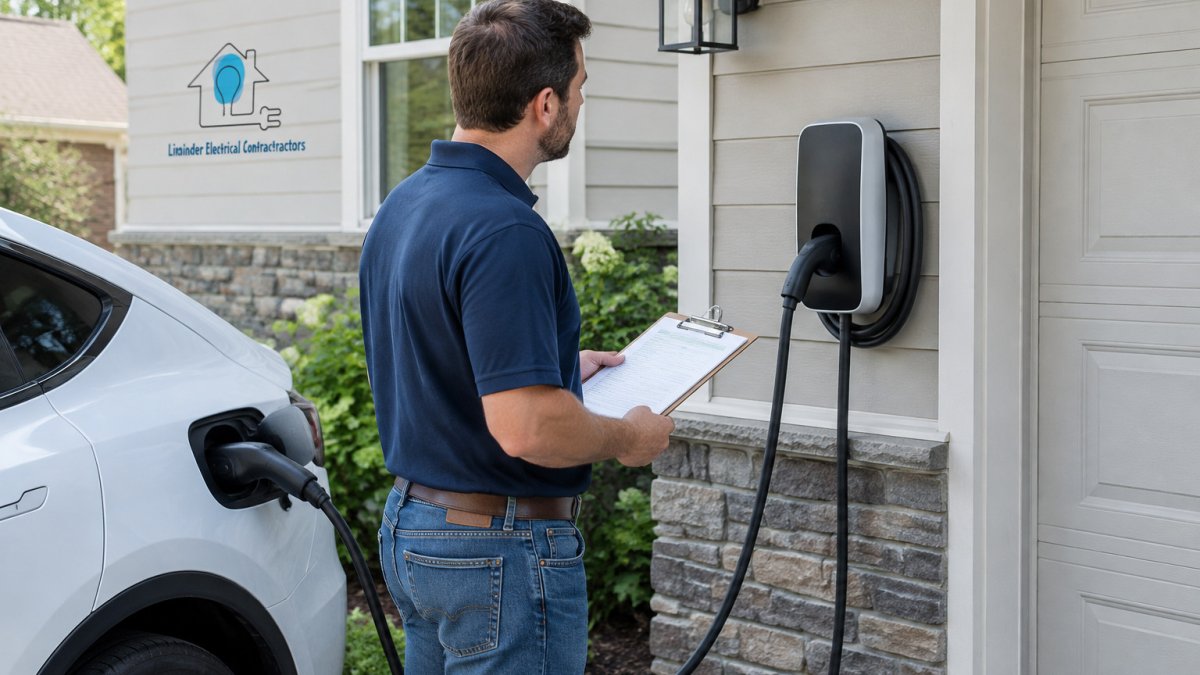
 How-to
Do I Need a Permit for an EV Charger? What to Know
Last Updated: November 14, 2026
Quick Summary
Yes, in most cases you need an ev charger permit. A Level 2 charger usually requires an electrical permit and an inspection, while a standard Level 1 charger that plugs into a wall outlet often does not.
- If the job creates a new dedicated circuit or new wiring, expect a permit.
- Hardwired Level 2 chargers almost always require a permit and inspection.
- An electrical permit covers the wiring, circuit, and charger connection.
- Permit fees are set locally and may be flat, valuation-based, or a combination.
- Many jurisdictions require a licensed contractor to pull the permit.
Table of Contents
- Do You Need a Permit for an EV Charger? The Short Answer
- EV Charger Permit Requirements: What Most Jurisdictions Ask For
- Permit to Install a Level 2 EV Charger: When It Is Required
- Permit to Install a 240V Outlet for EV Charging
- EV Charger Permit Cost, Timelines, and Inspection Fees
- How to Check Your Local Building Department Rules: A Step-by-Step Workflow
- Step 1: Identify the Authority Having Jurisdiction
- Step 2: Determine the Permit Type
- Step 3: Check for EV-Specific Guidance
- Step 4: Download the Application and Checklist
- Step 5: Run the Service-Capacity Check
- Step 6: Check Utility Requirements
- Step 7: Confirm Who Can Pull the Permit
- Step 8: Confirm Inspection Timing and Closeout
- Condo, Apartment, Rental, and Shared-Parking Installations
- Who Can Install a Home EV Charger and When to Hire a Licensed Electrician
- Frequently Asked Questions
Do You Need a Permit for an EV Charger? The Short Answer
Yes, in most cases you need a permit for an EV charger. A Level 2 charger usually requires an electrical permit and an inspection. A standard Level 1 charger that plugs into a wall outlet often does not.
The answer depends on your charger type, wiring, and local building department. This guide covers each scenario.
- Level 1 (120-volt plug-in): Usually no permit.
- Level 2 plug-in (240-volt outlet): Permit usually required.
- Level 2 hardwired: Permit almost always required.
Level 1 vs. Level 2: Why the Charger Type Changes the Answer
A Level 1 charger uses a normal 120-volt household outlet (Alternative Fuels Data Center: Electric Vehicle Charging Stations).
The dividing line is simple: if the job creates a new dedicated circuit or new wiring, expect a permit.
For a full walkthrough of what a Level 2 install involves, see our guide to installing a Level 2 home EV charger.
Why Permits and Inspections Exist in the First Place
An EV charger pulls a heavy, steady load for hours at a time, harder on wiring than most household appliances.
- The circuit is sized correctly for the charger
- The breaker and wiring can handle the continuous load
- Grounding and connections are safe
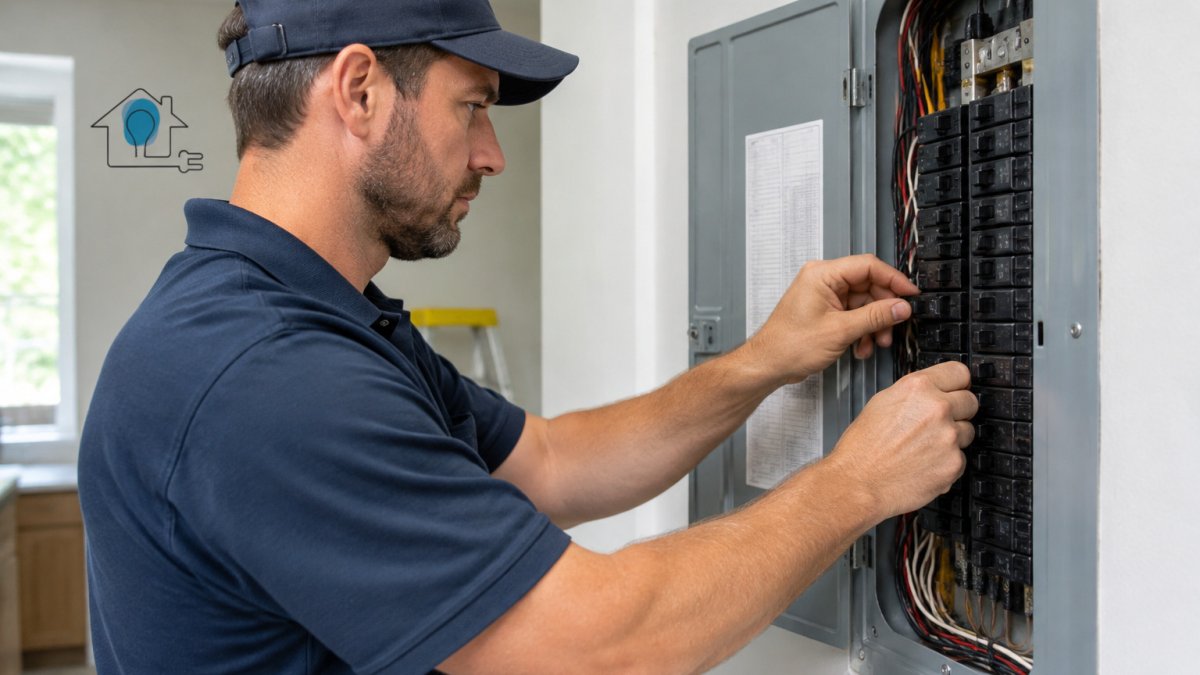
The goal: no overheating, no fire risk, no failed equipment. Inspectors catch mistakes that are invisible once the drywall goes back up.
EV Charger Permit Requirements: What Most Jurisdictions Ask For
Most local building departments want the same core information, even when the form names change.
- Property owner name and address
- Contractor license and insurance details
- Charger make, model, and amperage
Some departments accept applications online; others still want paper and a trip to the counter. Check the website or call first.
Electrical Permit vs. Building Permit
An electrical permit covers the wiring, the circuit, and the charger connection. This is the one you almost always need for a Level 2 install.
A building permit covers structural work, mounting a pedestal, trenching a new line to a detached garage, or modifying a wall.
Definition worth remembering: an electrical permit is the official approval a local building department issues before electrical work begins, closed out only after an inspection passes.
Documents Typically Required With the Application
Gather these before you apply, since missing paperwork commonly delays review.
- Completed permit application form
- Copy of the electrician's license
- Proof of insurance
If the paperwork side feels like a lot, our step-by-step guide to the electrical permit process for homeowners breaks it down in order.
Permit to Install a Level 2 EV Charger: When It Is Required
A permit to install a Level 2 EV charger is required in most jurisdictions whenever new wiring or a new circuit is involved. That covers nearly every Level 2 job.
- Running new wire from the panel
- Adding a new circuit breaker
- Installing a 240-volt outlet
You likely do not need one for a plug-in unit using an existing, code-compliant 240-volt outlet, but confirm with your local building department.
Before you plan the job, it helps to know whether your panel can take the load. Our guide on whether your panel can support an EV charger explains what an electrician checks.
Hardwired vs. Plug-In Level 2 Chargers
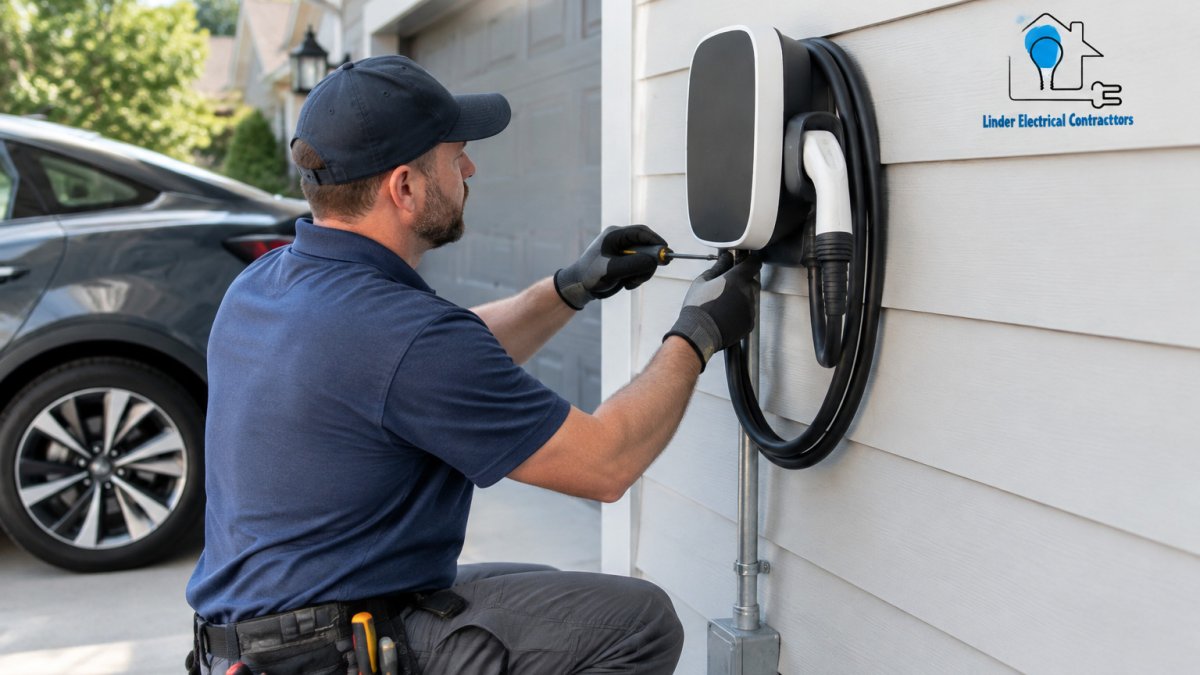
Hardwired chargers connect directly to the circuit with no outlet, usually allow higher amperage, and are safer for outdoor installs. They almost always require a permit and inspection.
Plug-in chargers use a 240-volt outlet, often a NEMA 14-50, and are easier to swap later. The permit question depends on whether the outlet already exists.
| Charger Type | New Circuit Needed | Permit Usually Required | Best For |
|---|---|---|---|
| Level 1 plug-in | No | Rarely | Low daily mileage |
| Level 2 plug-in, existing outlet | No | Check locally | Renters, easy swaps |
| Level 2 plug-in, new outlet | Yes | Yes | Most homes |
| Level 2 hardwired | Yes | Yes | Outdoor, higher power |
Permit to Install a 240V Outlet for EV Charging
A permit to install a 240V outlet for EV charging is typically required because the outlet needs its own dedicated circuit, new electrical work that needs inspection.
- A dedicated circuit breaker in your panel
- Correctly sized wire for the run length
- A grounded 240-volt outlet
If your home has an older 100 amp service, adding a 240-volt circuit may push the panel past its safe capacity. Our article on adding an EV charger to a 100 amp panel covers your options, including load management devices.
EV Charger Permit Cost, Timelines, and Inspection Fees
Permit fees are set locally, so no single number is correct everywhere. Understand the common fee structures, delay triggers, and timeline stages so you can budget before you call.
How Permit Fees Are Usually Calculated
- Flat fee schedule: A fixed dollar amount for a residential electrical permit, sometimes tiered by amperage or circuit count. A common pattern is a base fee plus a per-circuit add-on.
- Valuation-based: The fee is a percentage of declared job value, often with a minimum. If you declare equipment and labor, expect the fee to scale with that number.
- Combination: A base electrical permit fee plus separate line items for inspection, plan review, or after-hours visits.
Inspection fees are sometimes bundled into the permit and sometimes billed separately. Ask whether the quoted fee includes the final inspection and any re-inspection charge, the line item homeowners miss most often.
What Drives the Total Beyond the Permit
- Panel or service upgrade: If your load calculation fails, a service upgrade is a separate permit line and a separate fee.
- Utility coordination: Some utilities charge for a service disconnect/reconnect or meter work tied to a panel upgrade.
- Plan review: Larger jobs or commercial properties may require plan review, which adds a fee and time.
Realistic Timeline Stages
- Application intake: Same day to several business days, depending on whether the portal is online or counter-based.
- Plan review (if required): Often the longest stage; a few business days to several weeks for complex or commercial work.
- Permit issuance: Usually quick once approved.
- Rough-in inspection: Scheduled after wiring is run but before drywall or final connections.
- Final inspection: Scheduled after the charger is installed and energized.
- Closeout: The permit is closed after the final inspection passes.
Documents That Most Often Cause Delays
- Completed application with property owner and contractor information
- Contractor license number and proof of insurance
- Charger spec sheet showing amperage and voltage
Watch out: a load calculation that does not account for the charger's continuous load can cause an application to be sent back for revision.
Questions to Ask Your Building Department Up Front
- What is the total fee, including inspection and any re-inspection charge?
- Is plan review required for a single-family Level 2 install?
- What documents are required at intake?
Get the answers in writing, ideally by email, so you have a record if the scope or fee changes. Our guide on how to prepare your home for an electrical inspection covers what inspectors look for.
How to Check Your Local Building Department Rules: A Step-by-Step Workflow
Permit rules are set locally, so the only answer that counts is your own building department's. This workflow identifies the correct authority, the permit type, the utility step, and the capacity check that often decides whether the job is simple or a panel upgrade.

Step 1: Identify the Authority Having Jurisdiction
Your address decides which office has authority. Incorporated areas usually fall to the city or township building department; unincorporated areas to the county. Some states delegate electrical permitting to a state office or third-party inspection agency.
- Search your city or county name plus "building department" or "electrical permit."
- Confirm whether your property is inside city limits; that determines city versus county authority.
- If the building department page redirects to a state or third-party portal, use that portal.
Step 2: Determine the Permit Type
- Electrical permit: Covers the circuit, wiring, breaker, and charger connection. This is the one most Level 2 installs need.
- Building permit: May be required for structural work such as a pedestal, trenching to a detached garage, or wall modification.
- Combination permit: Some departments issue one permit covering both electrical and building scope.
Step 3: Check for EV-Specific Guidance
Many departments publish an EV charger handout or checklist. Search the site for "EV charger," "electric vehicle supply equipment," or "EVSE", a handout usually lists the exact documents and load calculation method expected.
Step 4: Download the Application and Checklist
Get the actual form and document checklist before you call. It shows whether the department requires a panel schedule, load calculation form, site plan, or equipment spec sheets.
Step 5: Run the Service-Capacity Check
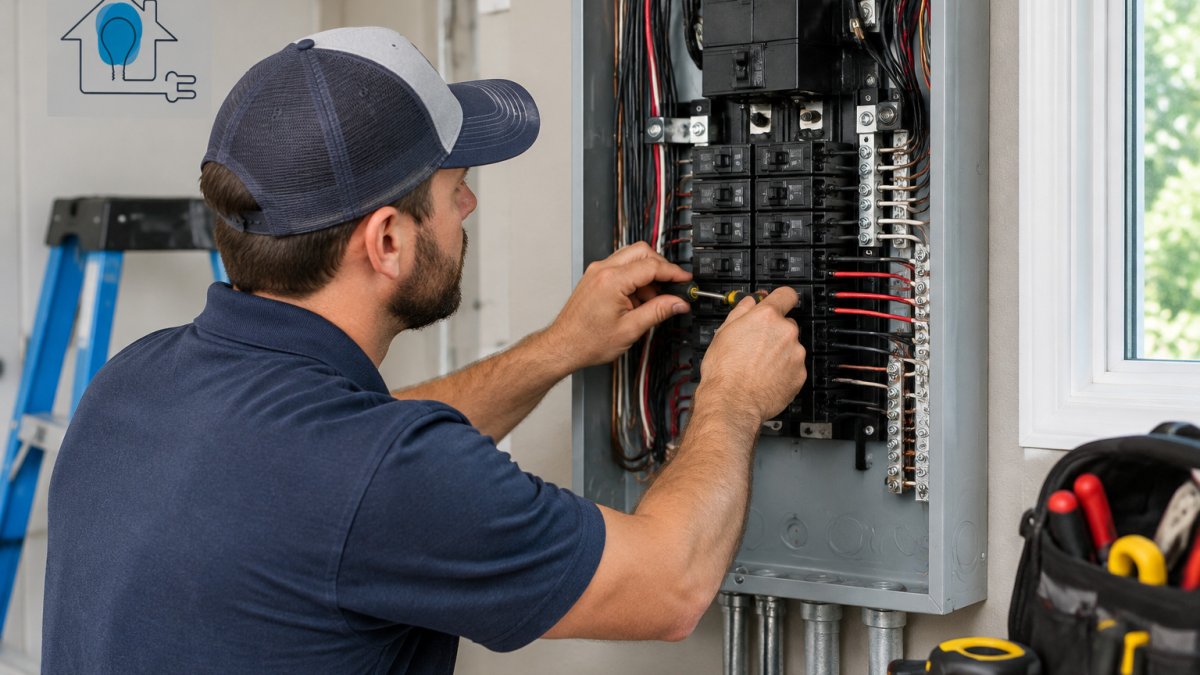
Before you assume a permit is the only hurdle, confirm your panel can carry the load. A licensed electrician performs a load calculation that accounts for the charger's continuous load plus existing appliances.
- If capacity is sufficient, the job is a standard circuit addition.
- If capacity is marginal, options include a load management device, a lower-amperage charger setting, or a panel upgrade.
- A panel upgrade usually triggers its own permit and may require utility coordination.
Our guide on whether your panel can support an EV charger explains what an electrician checks.
Step 6: Check Utility Requirements
Some utilities require notification or approval before certain work, especially service upgrades, meter changes, or new dedicated circuits. Ask the building department whether utility approval is required and the utility whether a disconnect/reconnect is needed. Utility timelines can outlast permit review, so identify this step early.
Step 7: Confirm Who Can Pull the Permit
Many jurisdictions require the permit to be pulled by a licensed contractor. Some allow homeowners to pull a permit for their primary residence. Ask directly, because the answer determines whether you can self-perform any part of the job.
Step 8: Confirm Inspection Timing and Closeout
Ask how many days after rough-in and after final you should expect an inspector, and what the closeout process is. Keep the approved permit and final inspection record on file for insurance, resale, and warranty claims.
Condo, Apartment, Rental, and Shared-Parking Installations
- Condo owners: Check HOA or condo association rules first. Many require board approval before any electrical work, and some require a licensed contractor from an approved list.
- Renters: Get written landlord approval. The permit is usually pulled in the owner's name.
- Shared parking: You may need a dedicated meter or a submeter arrangement, and the property owner or manager usually controls the electrical infrastructure.
Get approvals in writing. A verbal yes from a board member will not help you at inspection.
The U.S. Department of Energy's guidance on home charging is a good starting point for understanding equipment types. It does not replace your local rules or your utility's requirements.
Who Can Install a Home EV Charger and When to Hire a Licensed Electrician
A licensed electrician should do the work in most Level 2 cases.
- A new 240-volt circuit
- Hardwiring the charger
- Any panel work or a service upgrade
A common mistake is buying the charger first and asking questions later.
Adding an EV charger is a safe, straightforward upgrade when done to code.
Get started with Linder Electrical Contractors and charge at home with confidence.
Frequently Asked Questions
Do I need a permit to install a Level 2 EV charger at home?
In most jurisdictions, yes. A Level 2 charger runs on a 240-volt dedicated circuit, which usually requires an electrical permit and an inspection. Because rules vary by local building department, confirm with your own jurisdiction before work starts. A licensed electrician can pull the permit for you and schedule the inspection, so the charger is wired to code and safe to use.
How much does an EV charger permit cost?
EV charger permit cost varies widely by jurisdiction. Some building departments charge a flat fee, while others base the fee on the project value or the number of circuits. Inspection fees may be bundled in or billed separately. Because fees are set locally, ask your building department for the current schedule before you apply, and factor the fee into your overall installation budget.
Can I install a Level 2 EV charger myself?
Some homeowners are allowed to pull a permit and do the work themselves, but many jurisdictions require a licensed electrician for 240-volt circuits. A Level 2 install involves a dedicated circuit, correct breaker sizing, grounding, and often a panel capacity check. If you are not confident with electrical work, hire a licensed electrician. Unpermitted or incorrect work can create fire risk and complicate insurance and resale.
Do I need a permit to install a 240V outlet for an EV charger?
A new 240-volt outlet for EV charging almost always requires an electrical permit, even when the outlet itself seems simple. The permit lets an inspector confirm the circuit, breaker, wiring, and grounding meet electrical code. If you are replacing an existing 240-volt outlet with no wiring changes, ask your local building department whether a permit is still needed, since requirements differ.