 How-to
Why Lights Dim When Appliances Turn On
Last Updated: November 6, 2026
Quick Summary
Lights dim when appliances turn on because a large appliance pulls a sudden surge of current at startup, briefly lowering the voltage on the circuit feeding your lights. This inrush current can be several times higher than the power the appliance uses once running. The dip is usually brief and harmless.
- Inrush current is the short burst of electricity a motor or compressor needs to start spinning.
- Dimming is more noticeable on circuits that share wiring with the appliance and on older wiring with loose connections.
- A dip under one second that recovers fully is normal for motor startup.
- A microwave on its own dedicated circuit should not dim your lights.
- Lights that brighten as well as dim can signal a loose neutral, which is a genuine hazard.
Table of Contents
- Why Lights Dim When Appliances Turn On
- Lights Dim When AC Turns On
- Lights Dim When the Microwave Is On
- Are Dimming Lights Dangerous?
- How to Fix Dimming Lights in Your House
- Overloaded Circuits, Wiring, and Panel Capacity
- When to Call Linder Electrical Contractors for Dimming Lights
- Frequently Asked Questions
Why Lights Dim When Appliances Turn On
The lights dip for a split second when the air conditioner kicks on. Then everything returns to normal.
That momentary dip is usually harmless. But it is not always harmless.
Below, we explain what causes lights to dim when appliances turn on, how to tell normal dimming from a real problem, and when to call a licensed electrician.
What causes lights to dim when appliances turn on? A brief voltage drop caused by a sudden surge of current, usually from a motor starting up.
How Startup Current Creates a Brief Voltage Drop
Inrush current is the short burst of electricity a motor or compressor needs to start spinning. It can be several times higher than the power the appliance uses once it is running.
Here is the sequence:
- The appliance switches on.
- The motor or compressor pulls a surge of current.
- Voltage on that circuit drops for a moment.
- Lights on the same circuit or nearby circuits dim.
- Voltage recovers and the lights return to normal.
This is called a voltage drop. It is normal when it is brief and mild. The key detail most guides skip: dimming is far more noticeable on circuits that share wiring with the appliance, and on older wiring with loose connections.
Normal Dimming vs. Dimming That Signals a Problem
Normal dimming is quick and mild. Concerning dimming is different, and you can spot it with a few simple checks.
- Normal: a brief flicker when a big appliance starts, then steady light.
- Normal: dimming only when the AC, furnace, or dryer first kicks on.
- Concerning: dimming that lasts more than a second or two.
If your dimming fits the "concerning" list, treat it as a signal to investigate. Older homes carry more of these risks, and a review of common electrical hazards in older houses can help you spot warning signs before they become failures.
Lights Dim When AC Turns On
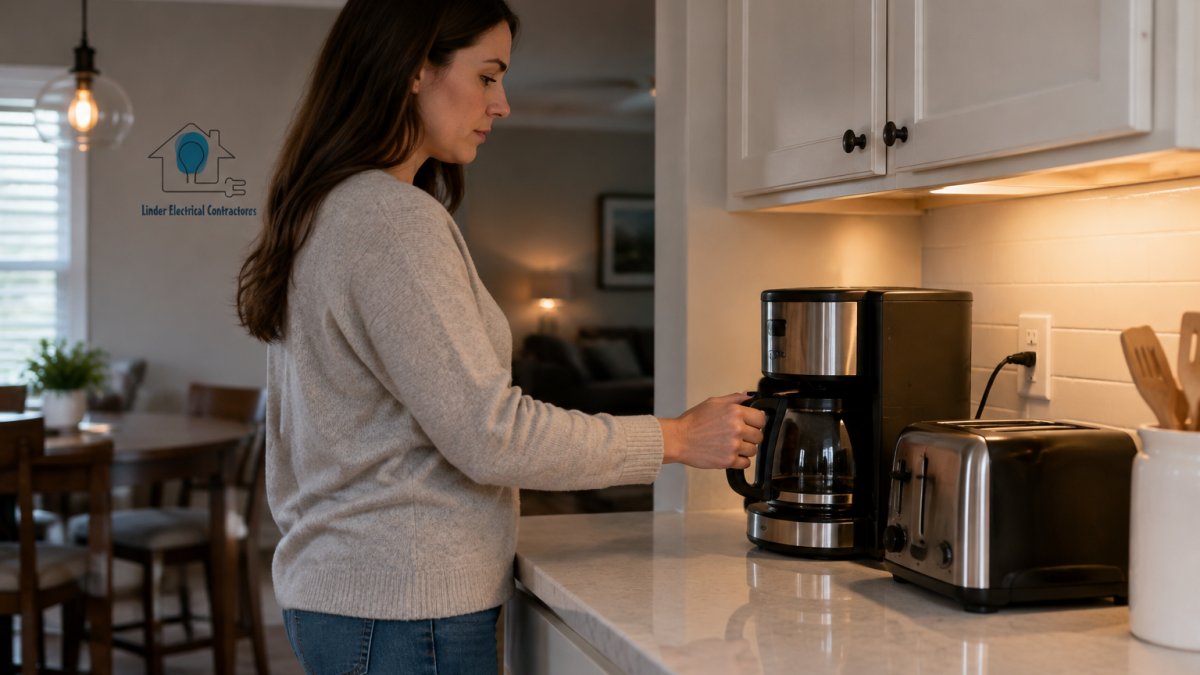
The AC is the number one culprit homeowners ask about. When the air conditioner starts, the lights in the same room often blink or dim for a moment, then recover.
That is expected behavior for a large motor-driven appliance. It is also the most common reason people search what causes lights to dim when appliances turn on.
Why the Compressor Draws So Much at Startup
The compressor is the heart of your AC system, and it is a motor.
At startup, the compressor draws a surge of current that is much higher than its running load.
Your wiring and panel have to supply that surge.
If the dimming is severe, frequent, or paired with a burning smell or buzzing, stop using the AC and call an electrician.
Lights Dim When the Microwave Is On
Microwave dimming usually looks different from AC dimming. The lights may dim for as long as the microwave runs, not just at startup.
That points to a different cause: the microwave is pulling a steady, high power draw on a circuit that may be shared with your lights.
Common reasons include:
- The microwave shares a branch circuit with kitchen lights.
- The circuit is close to its limit, so any extra load lowers voltage.
- The outlet or wiring has a loose connection.
A microwave on its own dedicated circuit should not dim your lights. If it does, the circuit is likely overloaded or the wiring needs attention.
Are Dimming Lights Dangerous?
Dimming lights are usually not dangerous when the dip is brief and tied to an appliance starting. They are a warning sign when the dimming is severe, frequent, or comes with other symptoms. The honest answer: most dimming is cosmetic. Some dimming is a symptom of a real hazard. The trick is telling them apart, and the four factors that matter most are duration, severity, frequency, and scope.
Clear Thresholds for Normal Versus Concerning Dimming
Use these thresholds as a guide, not a diagnosis. They are meant to help you decide how urgently to act.
- Duration. A dip under one second that recovers fully is normal for motor startup. Dimming that lasts several seconds, or that does not fully recover, is concerning.
- Severity. A slight brown-out that is barely noticeable is normal. Lights that drop to a dim glow, or that go dark and come back, are concerning.
- Frequency. Dimming only when a large appliance starts is normal. Dimming every few minutes, or without a clear appliance trigger, is concerning.
Specific Emergency Warning Signs and What to Do
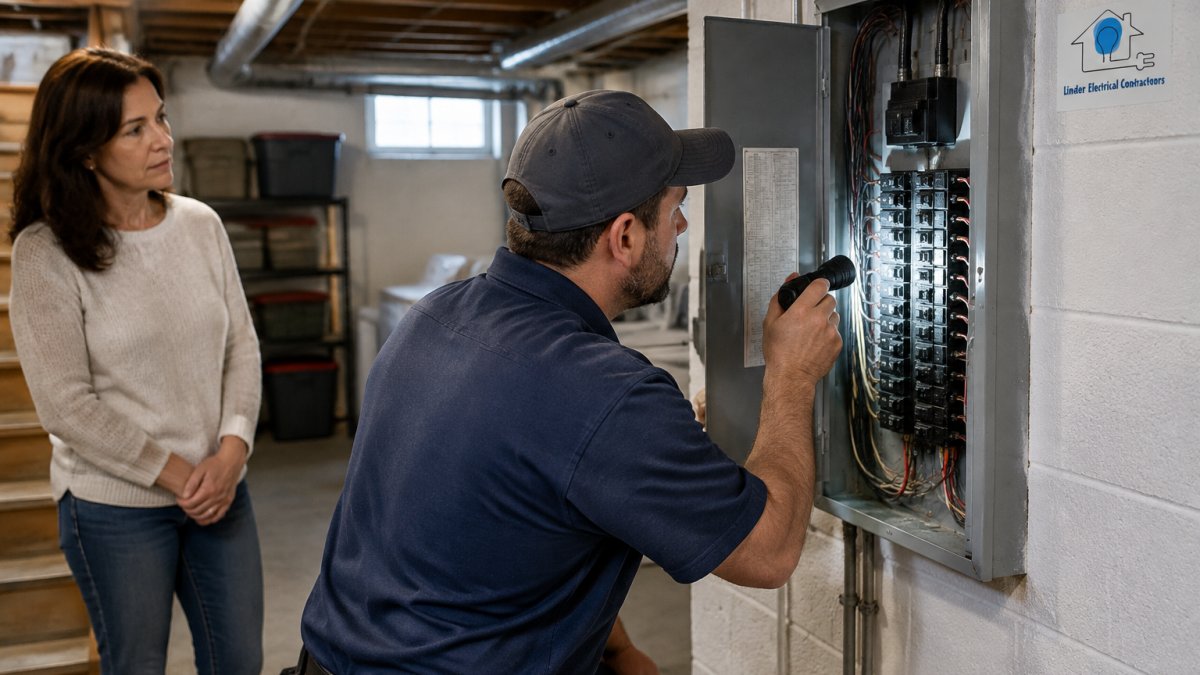
Some symptoms are not a wait-and-see situation. Call a licensed electrician right away, and in the case of fire or smoke, leave the home and call 911.
- Burning smell near an outlet, switch, or panel. Shut off the circuit at the breaker if you can do so safely, and do not use the affected outlets.
- Buzzing or crackling sounds from outlets or the panel. This can indicate arcing, which is a fire risk.
- Scorch marks or discolored outlets and switch plates. Stop using those outlets immediately.
These signs can point to loose connections, failing wiring, or an overloaded panel. They are fire risks, not inconveniences. When in doubt, shut off the circuit at the breaker and call for help.
How to Fix Dimming Lights in Your House
You can narrow down the cause yourself with a safe, step-by-step check. Do not open the panel or touch wiring. Work only with what you can see and test safely. The goal is not to repair anything yourself; it is to gather enough information to know whether you are dealing with a single overloaded branch circuit, a whole-home service issue, or a utility-side supply problem.
A Safe Step-by-Step Diagnostic Flow
Follow these steps in order. Stop and call an electrician if anything feels unsafe.
- Note when it happens. Write down which appliance is running and which lights dim. Note whether the dimming starts at the instant the appliance kicks on or builds while it runs.
- Check if it is one room or the whole house. One room points to a circuit issue. Whole-house points to the panel or utility supply. Walk room to room with the appliance running and note every affected fixture.
- Time the dimming. A split-second dip is normal. Lasting dimming is not. Use the second hand on your watch or a phone timer; a dip under one second is typical for motor startup.
- Check the bulb. Swap in a known-good bulb of the same type. LED bulbs can flicker on dimmers that are not compatible, and a bulb that dims only when an appliance runs may be reacting to small voltage changes that an incandescent would ignore.
- Check the fixture. A loose bulb or worn socket causes flicker. Tighten the bulb first, then gently wiggle it to see if the light changes.
- Test other outlets on the circuit. Plug a lamp into other outlets on the same circuit. If several are affected, the circuit is the problem. If only one outlet is affected, the issue is local to that outlet or fixture.
- Look for heat or smell. Any warmth, scorching, or burning smell means stop and call. Do not reset a breaker that has tripped repeatedly without professional help.
- Write down what you find. Notes help the electrician diagnose faster. Include the appliance, the affected rooms, the duration, and whether the dimming is new or has been happening for months.
Watch out: a basic multimeter reading at an outlet is not a substitute for professional diagnosis. Voltage can look normal at an idle outlet and still sag under load, and the meter leads themselves can be hazardous if you are not trained to use them. Treat any reading as a clue, not a verdict.
How to Document a Possible Utility-Side Issue
If the dimming is whole-house and not tied to a single appliance, the supply side may be involved. Before calling the utility, gather evidence:
- Check with neighbors. If nearby homes see the same dimming at the same times, the issue is likely on the utility side rather than in your wiring.
- Note the pattern. Record the time of day, duration, and whether the dimming coincides with weather, high-demand hours, or a specific appliance elsewhere in the home.
- Photograph or video the symptom. A short clip of the lights dimming while the appliance runs is more useful to a utility or electrician than a verbal description.
For a deeper walkthrough of flickering and dimming symptoms, our guide on how to troubleshoot flickering lights covers each step in more detail.
Overloaded Circuits, Wiring, and Panel Capacity
An overloaded circuit is one carrying more load than it was designed for. It is a leading cause of dimming that does not go away.
Older homes often have outdated wiring or undersized wiring that cannot keep up with modern appliances.
Loose or corroded connections make it worse. A poor neutral connection can cause lights to brighten and dim unpredictably, which is a serious warning sign.
Your electrical panel and service capacity also matter. If your breakers trip often, read our guide on why your circuit breaker keeps tripping to understand what your panel is telling you. And if you suspect the panel is maxed out, review the signs you need an electrical panel upgrade.
| Symptom | Likely Cause | What to Do |
|---|---|---|
| Brief dip when AC starts | Normal inrush current | Monitor; no action needed |
| Dimming while microwave runs | Shared or overloaded circuit | Call an electrician |
| Whole-house dimming | Panel or utility supply issue | Call an electrician |
| Flicker with LED bulbs | Bulb or dimmer mismatch | Try compatible bulbs |
| Buzzing or burning smell | Loose or failing connection | Shut off and call now |
When to Call Linder Electrical Contractors for Dimming Lights
Call a licensed electrician when dimming is frequent, severe, or paired with any warning sign. At Linder Electrical Contractors, we work to diagnose the cause before recommending any major work.
We are licensed and insured, offer free written estimates, and provide 24/7 emergency service. We also handle permits and inspections. If you are ready to act, you can schedule a residential electrical safety inspection and get a clear answer about what is happening in your home.
Frequently Asked Questions
Is it normal for lights to dim when an appliance turns on?
A brief, slight dim when a motor-driven appliance like a refrigerator or furnace starts is usually normal. The motor draws a surge of current for a fraction of a second, which causes a small voltage drop on the circuit. Dimming that lasts longer than a second, happens across the whole house, or repeats every time the appliance cycles points to a wiring, circuit, or panel issue that should be checked by a licensed electrician.
Are dimming lights dangerous?
Occasional momentary dimming is not dangerous on its own. Dimming becomes a safety concern when it comes with buzzing outlets, a burning smell, warm switch plates, breakers that trip repeatedly, or lights that flicker constantly. Those signs can point to loose connections, overloaded circuits, or an aging panel, which are fire risks. Stop using the circuit and have a licensed electrician inspect it before the problem grows.
Why do my lights dim when the microwave is on?
A microwave pulls a heavy, steady load while it runs, so dimming that lasts the whole cooking cycle usually means the microwave shares a branch circuit with the lights, or the circuit is close to its capacity. Try plugging the microwave into a dedicated kitchen circuit and see if the dimming stops. If it continues, an electrician can measure the voltage drop and check whether the circuit or panel needs upgrading.
How can I stop lights from dimming when the AC turns on?
Start by confirming the AC has its own dedicated circuit and that the breaker is the correct size. Loose connections at the panel or at the condenser disconnect are common culprits and should be tightened only by a licensed electrician. If the dimming is whole-house, the service panel may be undersized for the load. An electrician can measure voltage drop at startup and recommend a fix, from tightening connections to a service upgrade.
Dimming lights are often a small, harmless hiccup. Sometimes they are your wiring asking for help. If you want a straight answer about what is causing yours, get a free estimate from Linder Electrical Contractors and let a licensed team trace the cause safely.